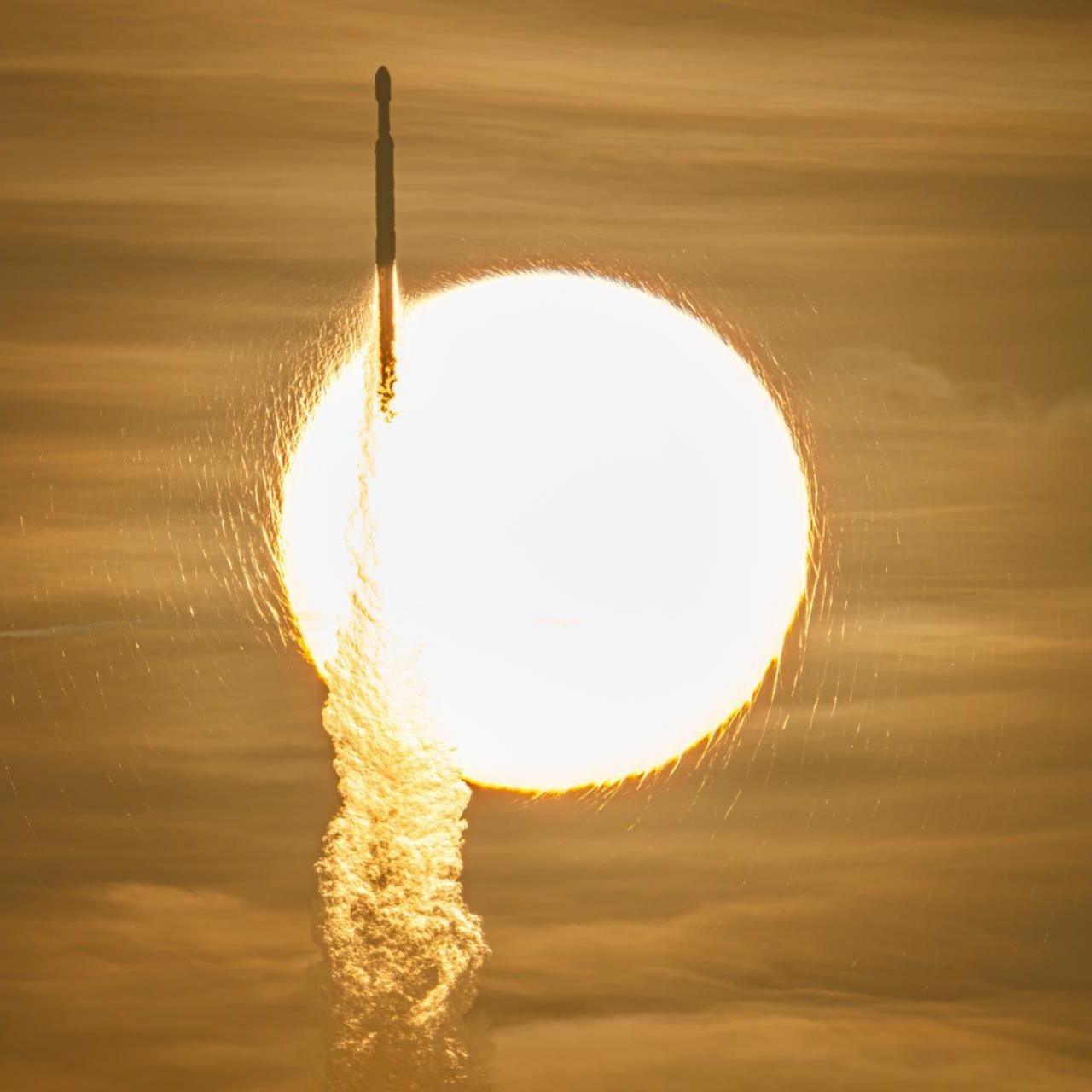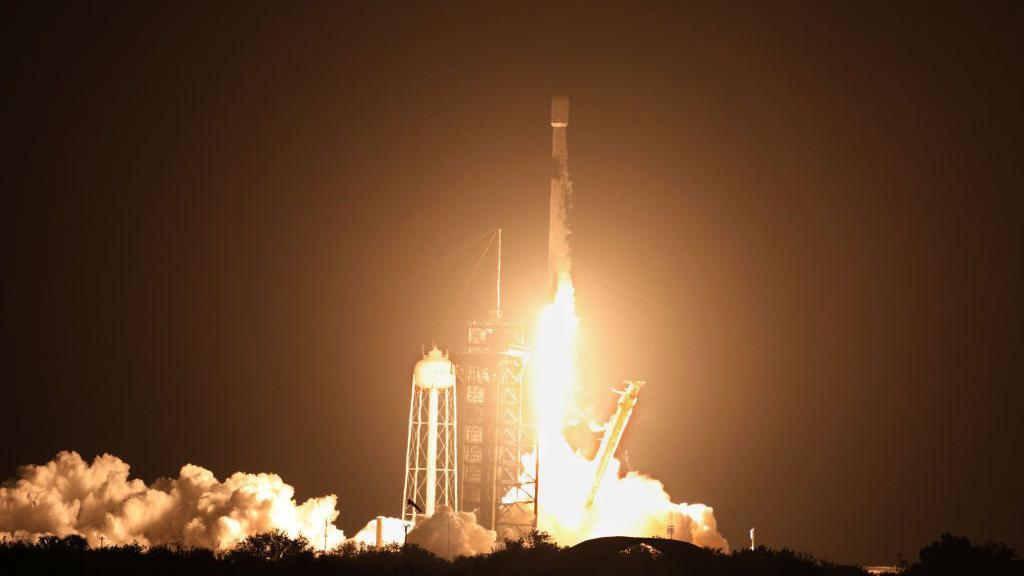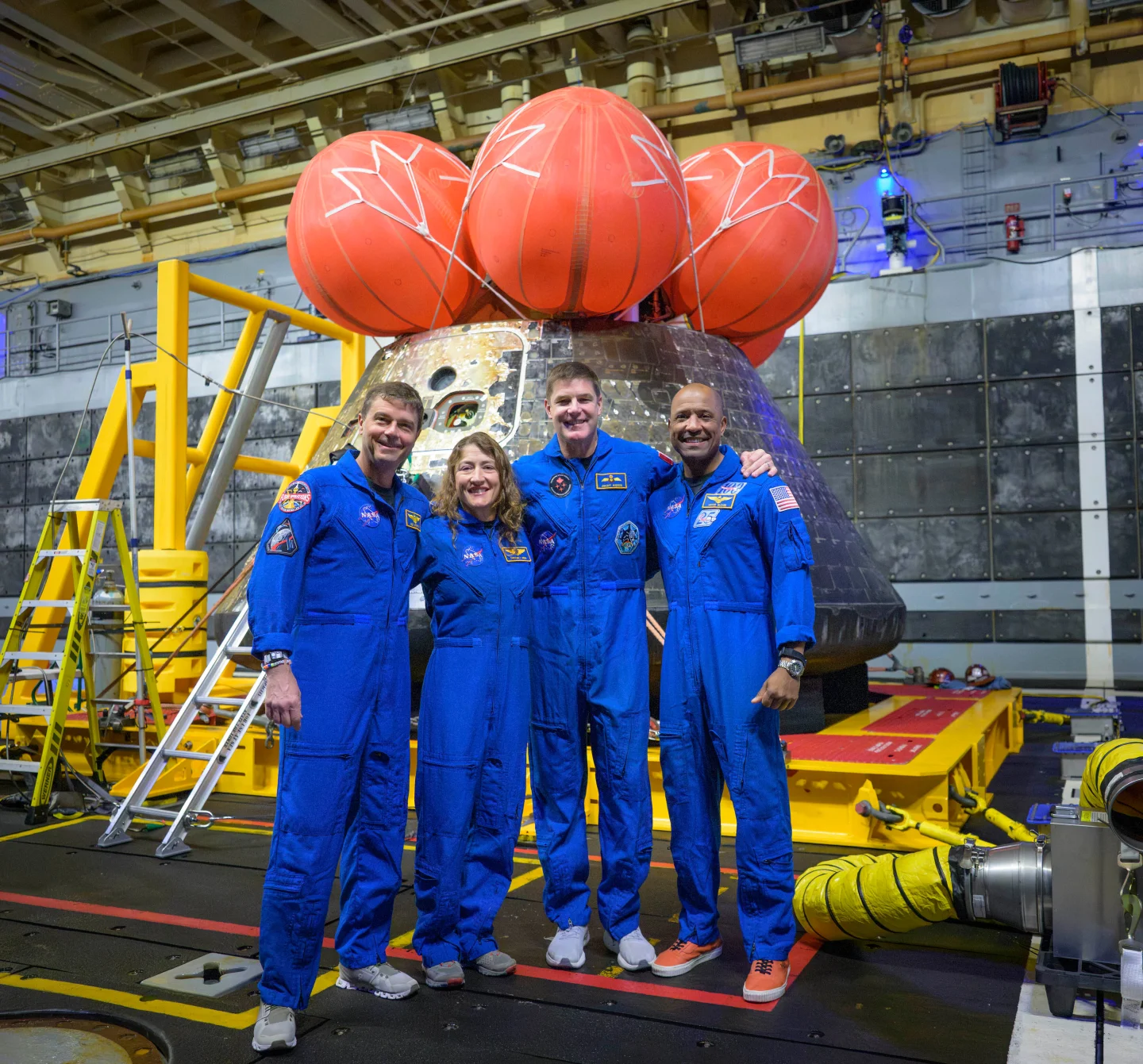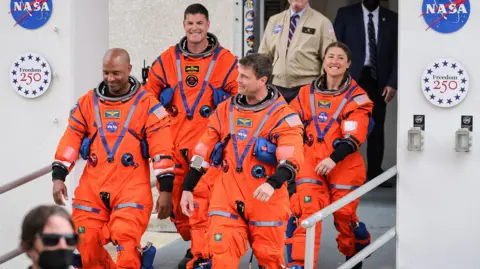
NASA's Artemis II mission has successfully blasted off, marking a significant moment in the agency's journey to return humans to the Moon. The crew of four astronauts—Commander Reid Wiseman, Victor Glover, Christina Koch, and Jeremy Hansen—are now testing the Orion spacecraft, which is designed to take humans farther than ever before.
The mission's goal is not just to send these astronauts to the lunar orbit but to prepare for future missions that would lead to sustained human presence on the Moon and potential exploration of Mars. With safety high on the agenda, the crew is testing life support systems and ensuring all onboard equipment, including the notoriously fickle toilet, operates smoothly.
In their first hours in orbit, they deployed the spacecraft's solar wings and established communications with mission control, commenting on their comfort and readiness to engage with the various mission parameters. Their schedules are tightly controlled, with times set aside for rest and exercise to combat the physical impacts of microgravity.
A critical step awaits in the coming days—the trans-lunar injection burn—to propel the crew toward the Moon. This maneuver is essential for achieving lunar orbit and will require meticulous planning and execution.
Failure to complete this burn could result in a postponed timeline for NASA's ambitions, including its target to land humans again on the lunar surface by 2028. As the mission progresses, the crew hopes to capture data and images of the far side of the Moon, enriching both scientific knowledge and human experience in space exploration.
Stay tuned for updates as this historic mission unfolds, with NASA providing live coverage of the crew's activities and milestones achieved in their journey into the vastness of space.
The mission's goal is not just to send these astronauts to the lunar orbit but to prepare for future missions that would lead to sustained human presence on the Moon and potential exploration of Mars. With safety high on the agenda, the crew is testing life support systems and ensuring all onboard equipment, including the notoriously fickle toilet, operates smoothly.
In their first hours in orbit, they deployed the spacecraft's solar wings and established communications with mission control, commenting on their comfort and readiness to engage with the various mission parameters. Their schedules are tightly controlled, with times set aside for rest and exercise to combat the physical impacts of microgravity.
A critical step awaits in the coming days—the trans-lunar injection burn—to propel the crew toward the Moon. This maneuver is essential for achieving lunar orbit and will require meticulous planning and execution.
Failure to complete this burn could result in a postponed timeline for NASA's ambitions, including its target to land humans again on the lunar surface by 2028. As the mission progresses, the crew hopes to capture data and images of the far side of the Moon, enriching both scientific knowledge and human experience in space exploration.
Stay tuned for updates as this historic mission unfolds, with NASA providing live coverage of the crew's activities and milestones achieved in their journey into the vastness of space.