In brief
Starting from the 2028 Olympic Games in Los Angeles, women's sports categories will exclusively feature biological females, as determined by a new 'once-in-a-lifetime' sex test. The International Olympic Committee (IOC) has mandated this policy following extensive consultations and research concluding that biological males possess inherent performance advantages. This significant decision has evoked mixed reactions, advocating fairness and safety in women's sports while raising concerns about the implications for transgender and intersex athletes.
The women's category of Olympic sports will be limited to biological females from 2028. The International Olympic Committee (IOC) says eligibility will be determined by a 'once-in-a-lifetime' sex test, which would prevent transgender women and those with differences in sexual development (DSD) who have gone through male puberty from competing.
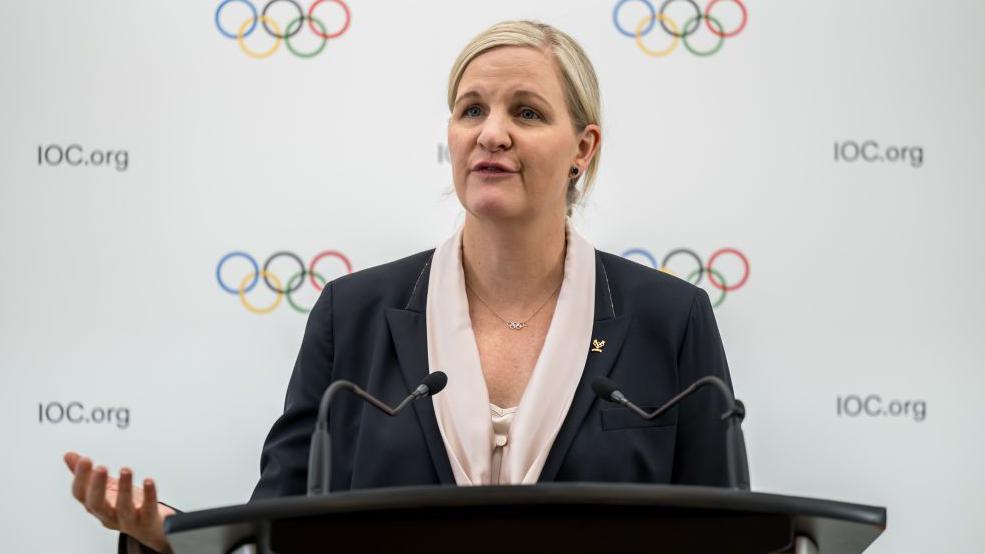
This policy will take effect from the Los Angeles Olympics. IOC president Kirsty Coventry emphasized that the decision was 'led by medical experts,' stating that fairness is essential in Olympic competition where even the smallest differences can determine victory.
The IOC specified that eligibility will hinge on screening for the SRY gene, associated with male characteristics, through methods considered non-intrusive, such as saliva or blood samples. Athletes who test negative for the SRY gene will permanently meet the eligibility criteria for the female category.
Until this announcement, regulations around sex were largely left to individual sports federations. The new policy signifies a considerable shift, as it applies a universal criterion across all Olympic sports. Previously, certain sports allowed transgender athletes if they reduced their testosterone levels.
Controversy has surrounded this topic, particularly with instances like New Zealand's Laurel Hubbard, who made history as the first openly transgender woman to compete at the Olympics at Tokyo 2020 amidst ongoing debates on fairness and equality in sports.
Reactions to the IOC's decision have been polarized. Supporters welcome the move, citing the need for a level playing field, while opponents argue that it stigmatizes transgender athletes and raises concerns about their mental well-being. Critics also question the validity and ethics of testing related to biological sex in sports.
This new ruling has ignited conversations about inclusivity and the balance of rights among athletes, with further significant implications for the future of women's sports and the participation of transgender athletes.