In brief
In response to a deadly midair collision near Washington D.C., the Federal Aviation Administration (FAA) unveils new guidelines requiring air traffic controllers to utilize radar for ensuring safe distances between helicopters and airplanes at over 150 high-traffic airports. The decision follows recent near-miss incidents and aims to clarify safety measures, shifting away from previous visual-only checks by pilots.
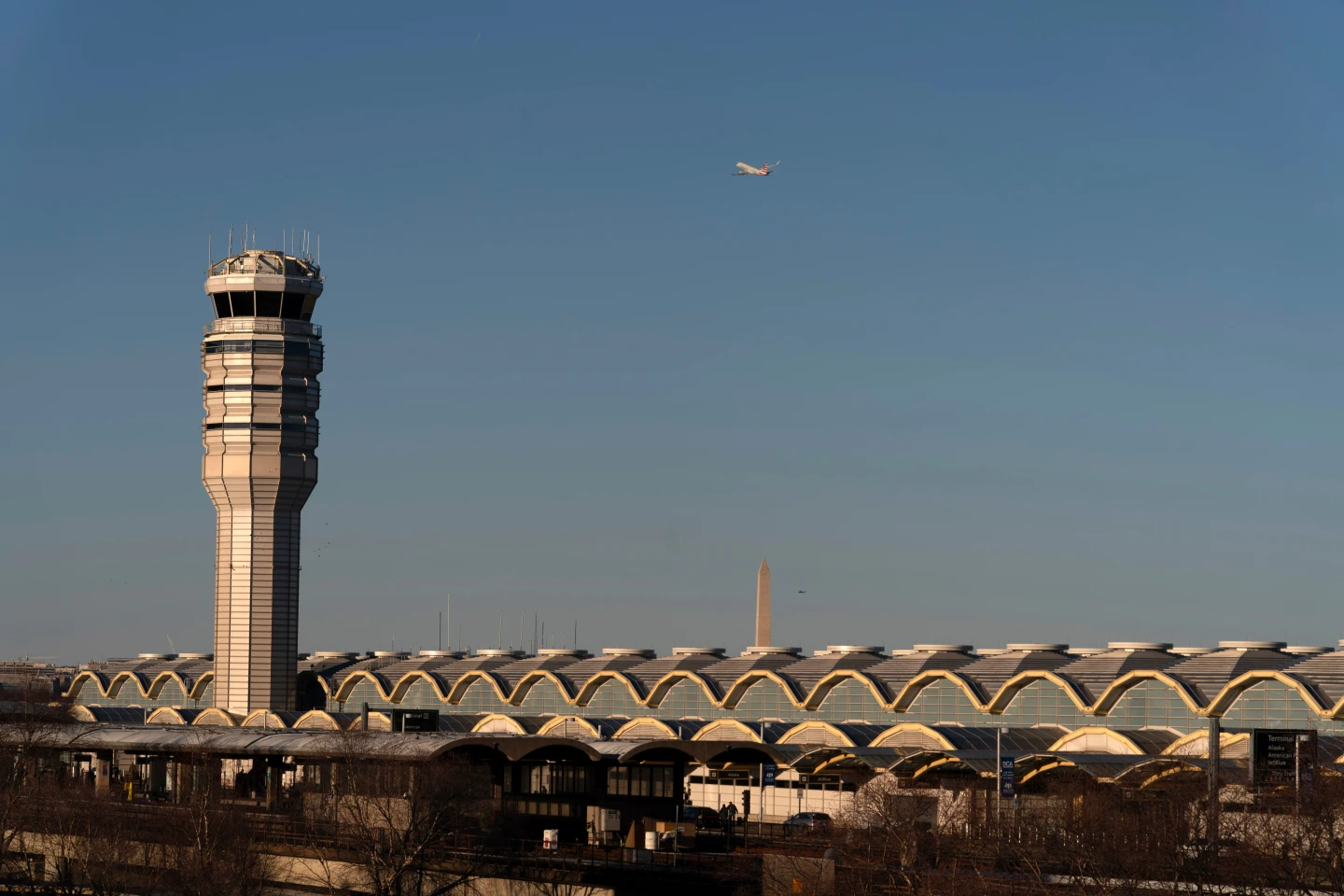
The Federal Aviation Administration (FAA) has introduced new safety regulations, mandating the use of radar rather than solely relying on visual checks by pilots for helicopter operations at busy airports. This decision comes in the wake of last year’s tragic midair collision near Washington D.C., which resulted in the deaths of 67 individuals, including many young figure skaters.
Following this incident, the FAA analyzed multiple near-miss events and concluded that previous guidelines allowing pilots to maintain visual separation between helicopters and airplanes did not sufficiently mitigate risks at high-traffic airports.
Starting now, air traffic controllers are required to use radar systems to maintain specific lateral or vertical separations between aircraft. This new guideline affects more than 150 of the busiest airports across the United States, building upon restrictions already in place at Ronald Reagan Washington National Airport.
FAA Administrator Bryan Bedford stated, “Today, we are proactively mitigating risks before they affect the traveling public.” They recognized that an overreliance on pilot observations contributed to safety events and embraced a more structured approach to air traffic management.
Recent examples highlighting the necessity of these changes include a police helicopter in San Antonio, Texas that swerved to avoid an incoming American Airlines flight, as well as another incident at California’s Hollywood Burbank Airport where a helicopter had to maneuver away from a small aircraft.
The January 2025 collision between an American Airlines jet and an Army Black Hawk helicopter claimed an unprecedented number of lives, marking the deadliest plane crash on U.S. soil since 2001. Investigators revealed that, during the chaos, tower controllers permitted the Black Hawk's flight requests twice, while the pilots reportedly did not see the incoming aircraft.
In this tragic incident, many of the victims were young athletes returning from a figure skating development camp held in Wichita, Kansas, further underscoring the devastating impact of the crash.