In brief
The Trump administration recently acknowledged significant inaccuracies in claims regarding New York's Medicaid program, which alleged that nearly 5 million beneficiaries received personal care services. The real figure stands at around 450,000. This revelation highlights concerns about the administration's approach to anti-fraud investigations, leading to critiques about political motivations and the need for accurate data in healthcare policy.
NEW YORK — The Trump administration recently admitted to a critical error in the data used to support a fraud investigation into New York's Medicaid program, sparking concerns and criticisms over the integrity of federal healthcare oversight. The administration initially claimed that approximately 5 million beneficiaries were receiving personal care services, a staggering figure that would account for nearly three-fourths of the state's total Medicaid recipients. However, officials have now confirmed that the true number is approximately 450,000.
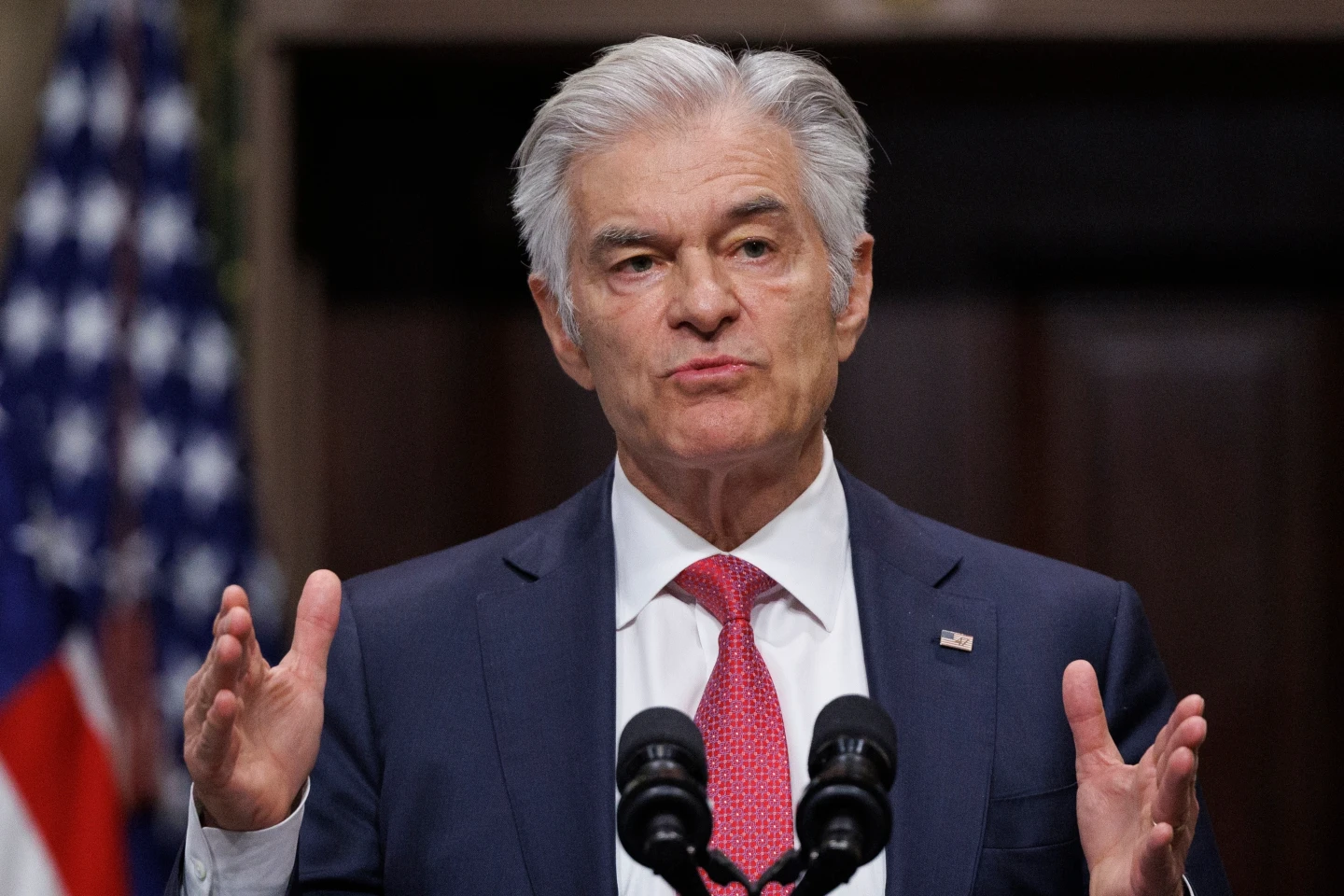
This miscommunication, first highlighted by Dr. Mehmet Oz, head of the Centers for Medicare and Medicaid Services, has raised questions about the methodology used in such sweeping fraud investigations. Critics argue that such inaccuracies can jeopardize public trust in essential healthcare programs and reflect a broader pattern of politicized approaches to healthcare governance.
“These numbers could have been cleared up in a phone call, so it’s really slapdash,” remarked Michael Kinnucan, a senior health policy adviser at the Fiscal Policy Institute.
Kinnucan expressed concerns over the potential politicization of the conversation around Medicaid fraud, emphasizing the necessity of collaboration between federal and state officials to achieve effective solutions. Meanwhile, officials from New York's government have vehemently defended their program's integrity and efficiency, pushing back against the framing of these issues as fraudulent or wasteful leadership.
“The initial claim by CMS was patently false, and we are glad they now admit it,” stated Governor Kathy Hochul’s spokesperson.
In addition to the erroneous numbers, Dr. Oz's claims about the state easing eligibility requirements for personal care services have drawn ire from advocates who argue that actual trends show increasing stringency and challenges for the most vulnerable populations.
This incident is part of a wider initiative by the Trump administration targeting Medicaid programs across multiple states, as it seeks to tighten oversight and crack down on potential fraud. However, many fear that this approach could result in more harm than good for the state programs essential to millions.