Escalating Conflict: The Impact of US-Israeli Strikes on Iran's Vital Infrastructure
In recent weeks, escalating military actions by the United States and Israel have targeted numerous points of critical infrastructure across Iran, including bridges, steel plants, and hospitals. President Trump’s vow to dismantle the Iranian infrastructure until an acceptable deal is reached has led to widespread condemnation and concerns about the legality of such strikes.
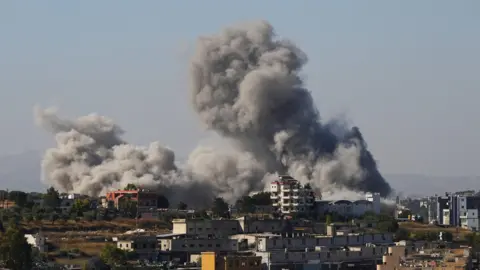
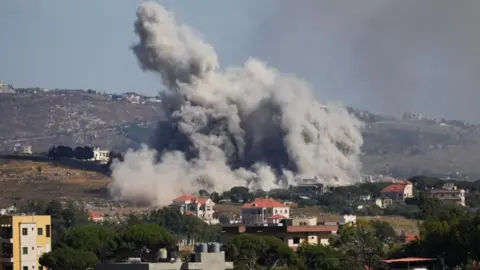
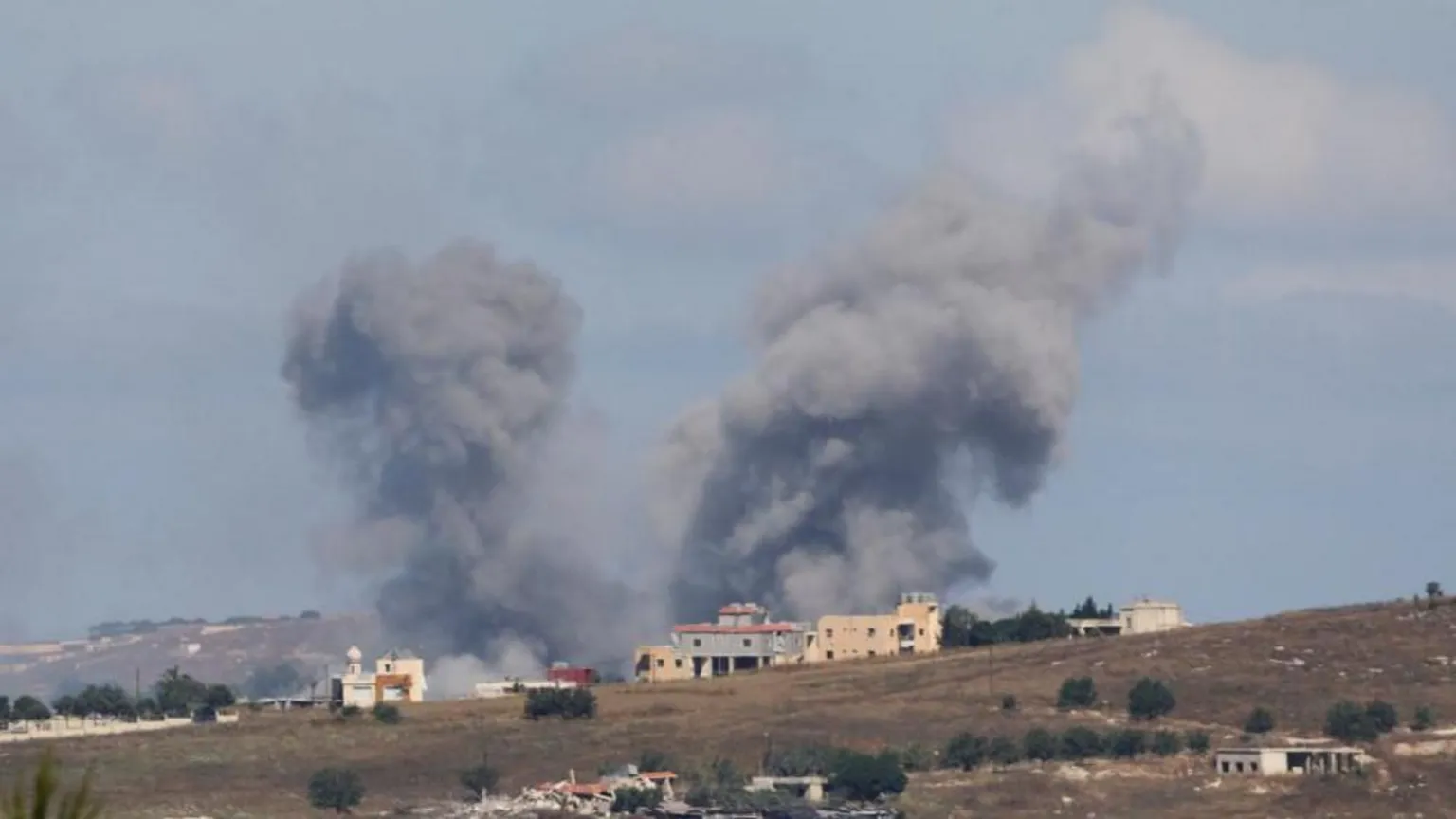
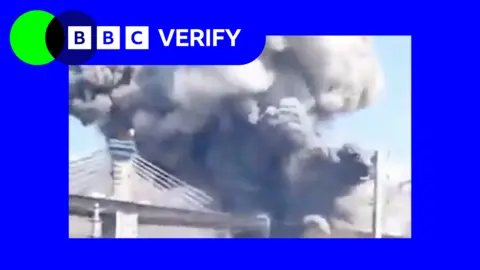
The strikes promise to inflict severe damage on the civilian population. Reports suggest that US forces have initiated a concentrated bombing campaign, effectively destroying parts of the country’s infrastructure essential for daily life. The consequences of these military operations extend beyond immediate physical destruction; they threaten to plunge a generation into hardship.
UN officials and legal experts argue the strikes may constitute war crimes under international law, particularly in cases where civilian infrastructure suffers substantial collateral damage. Reports have surfaced detailing strikes on educational institutions, including Shahid Beheshti University and parts of the Sharif University of Technology. Moreover, cultural and religious sites have not been spared, with schools, hospitals, and mosques experiencing significant damage.
Independent experts, such as researchers from the University of South Florida, have noted that the targeting of steel production facilities, specifically, could severely impact Iran’s economy, risking approximately 20 million tons of output and potentially costing 3-3.5% of Iran’s GDP. Further, strikes against pharmaceutical companies and medical facilities could hinder access to essential medical treatments amid growing civilian needs.
As international voices call for accountability, Trump’s dismissive stance towards accusations of war crimes reflects a broader issue concerning the humanitarian implications of military actions. This conflict continues to unfold, raising alarming questions regarding both immediate safety for civilians and long-term ramifications for Iranian society and economy.