Oil price surge exposes fragile link between global markets and indigenous lands
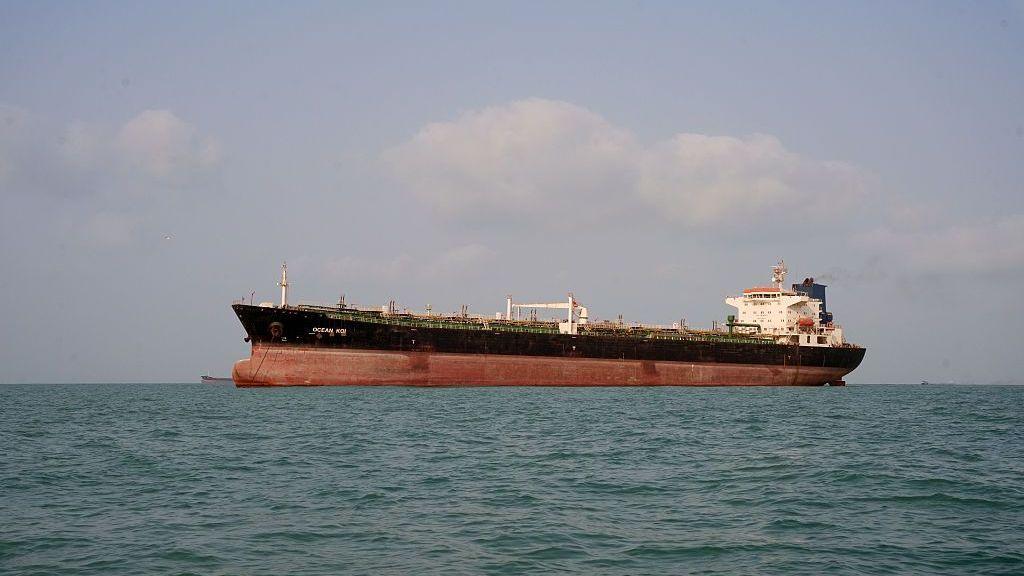
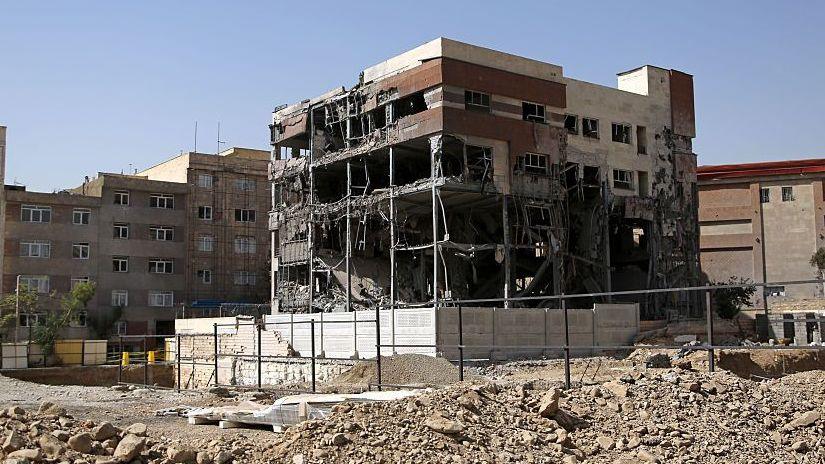
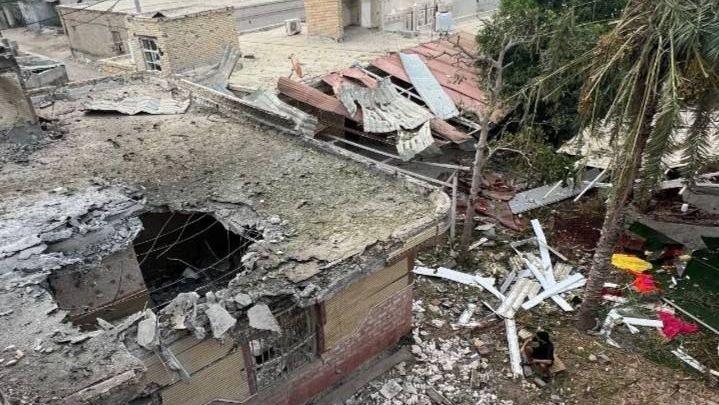
Brent crude has crossed the $100 a barrel threshold for the first time in months, a rise that follows a series of military actions by the US against Iran. The spike comes amid fears that Middle East tensions will tighten global supply lines and push energy prices higher.
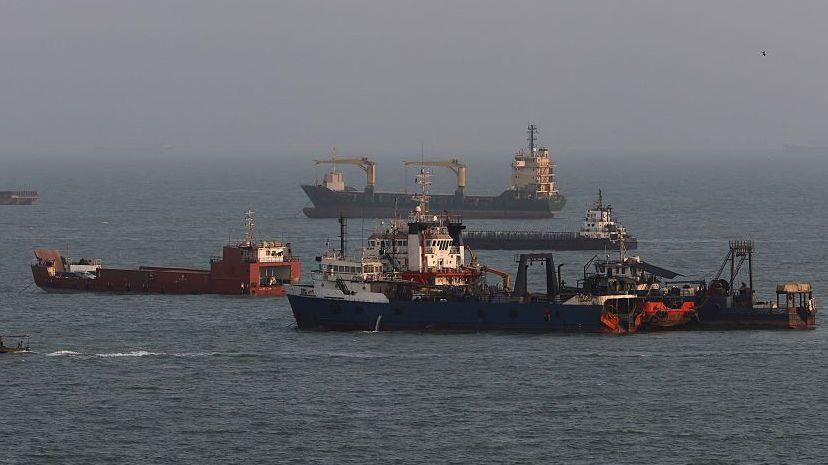
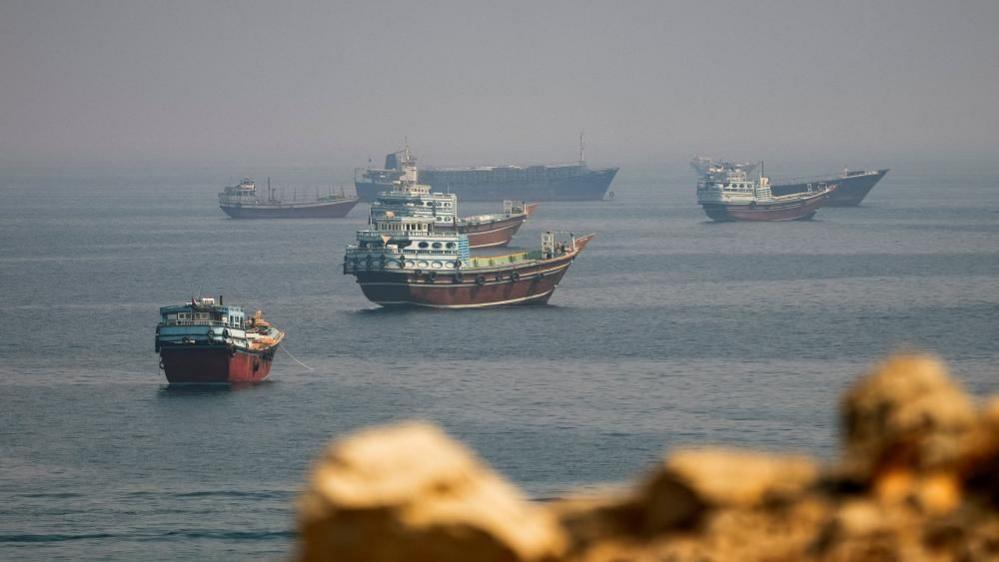
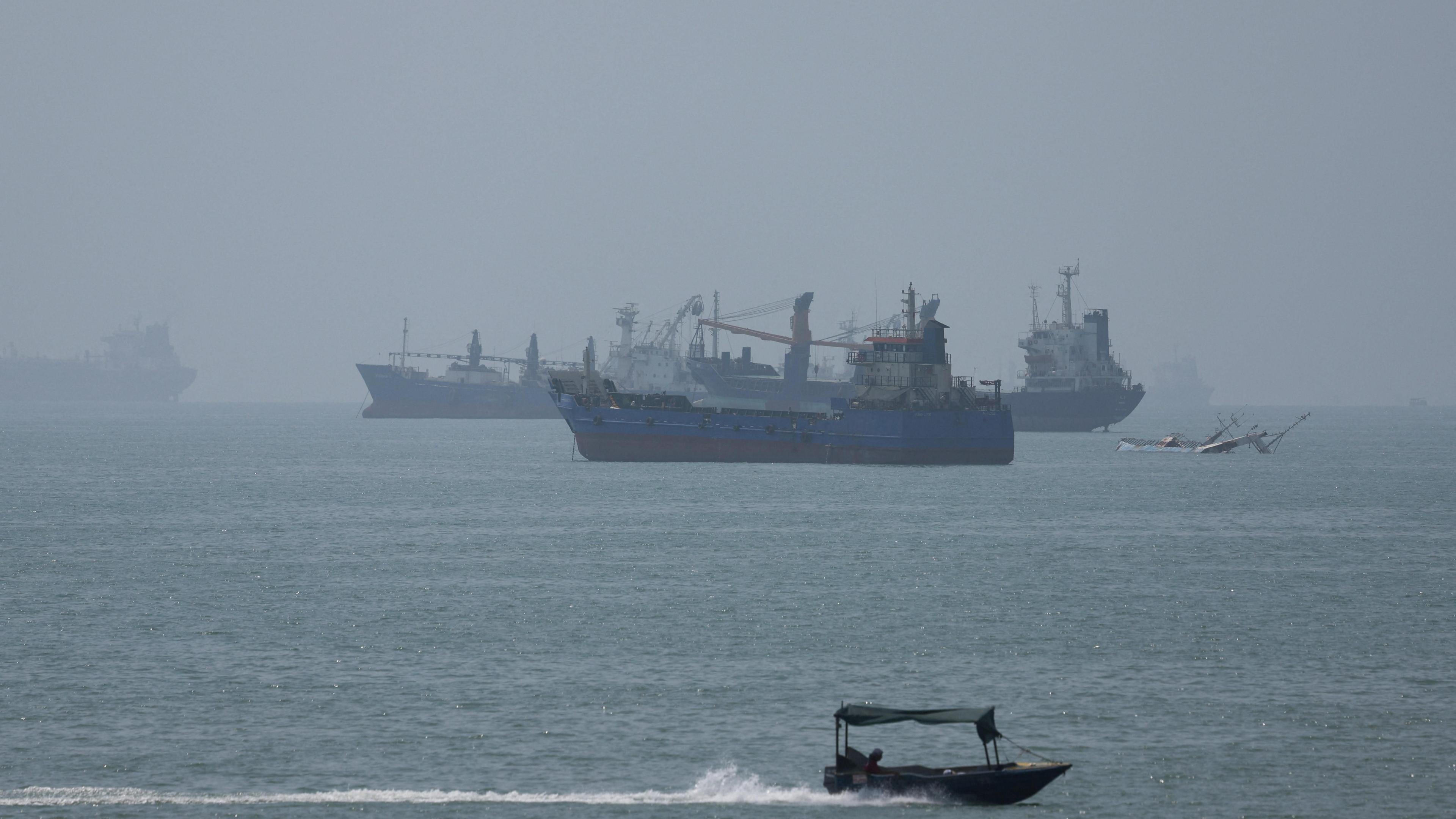
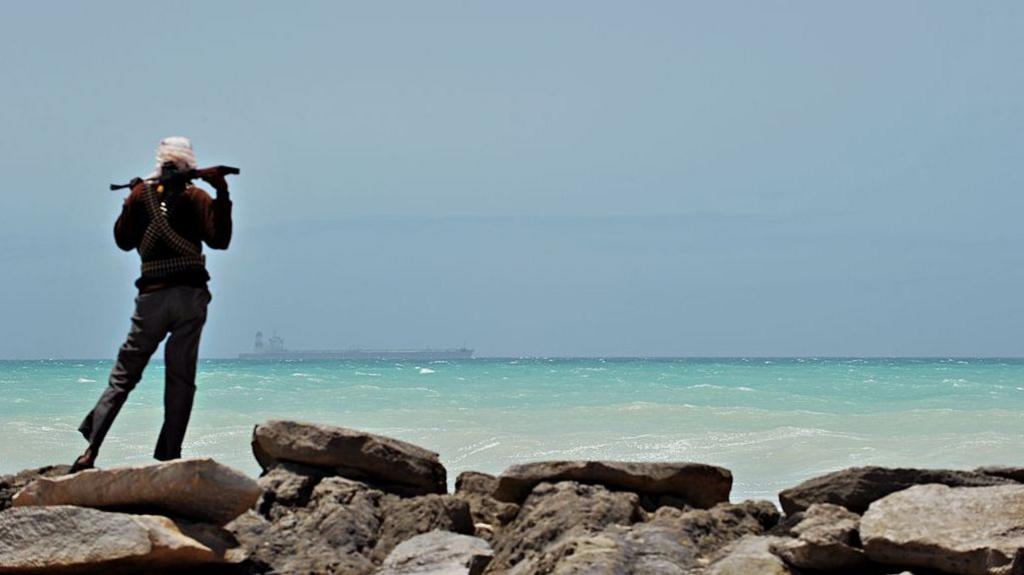
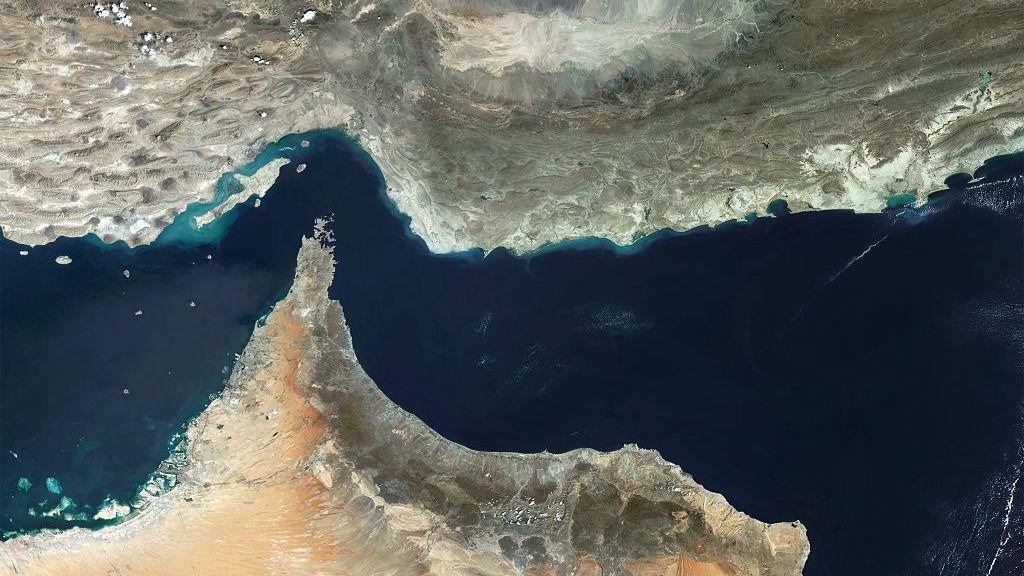
Houthi militia attacks along the Red Sea have threatened vessels carrying oil, forcing Saudi Arabia to use a detoured corridor that skirts the Strait of Hormuz. This disruption has ill‑tuned arteries of freight, extending a price ripple through every pump and every household that consumes fuel.
For indigenous communities in Yemen and beyond, such price pressures are not abstract numbers. These people often depend on local food production and marine resources, both of which have become more costly when transportation of goods and fuel rises. The shorter the supply chain, the greater the pressure on their economies and their cultural practices. High fuel costs also mean that transport of essential medicines, schooling, and community events become prohibitively expensive.
Beyond immediate economics, the growing oil prices reflect a broader pattern of resource exploitation that has historically marginalized Indigenous peoples. As global demand for energy transpires, so too does the appropriation of lands and waters important for indigenous cultures and livelihoods. From the deserts of Yemen to the forests of the Amazon, the price tags on oil echo through the lives of those who steward the land without corporate ownership.
This crisis underscores the necessity for policies that safeguard indigenous land rights even amid geopolitical turbulence. Protective frameworks, community-led resource management, and all‑world investments in clean energy can help cushion the impact of future shocks and preserve cultural resilience.