In brief
A sharp rise in piracy off Somalia’s coast, linked to the US‑Iran war and regional blockades, is raising maritime security risks and endangering indigenous fishing communities. Local fishers, who rely on sustainable practices passed down through generations, face both physical danger and economic losses as pirates target vessels and coastal towns. International naval forces have stepped up, but the resurgence points to a need for stronger cooperation with indigenous groups to protect traditional sea‑based livelihoods. The stakes involve not only commerce and safety but also the conservation of marine environments that these communities steward. Effective measures hinge on respecting indigenous rights and integrating their knowledge into maritime security strategies.
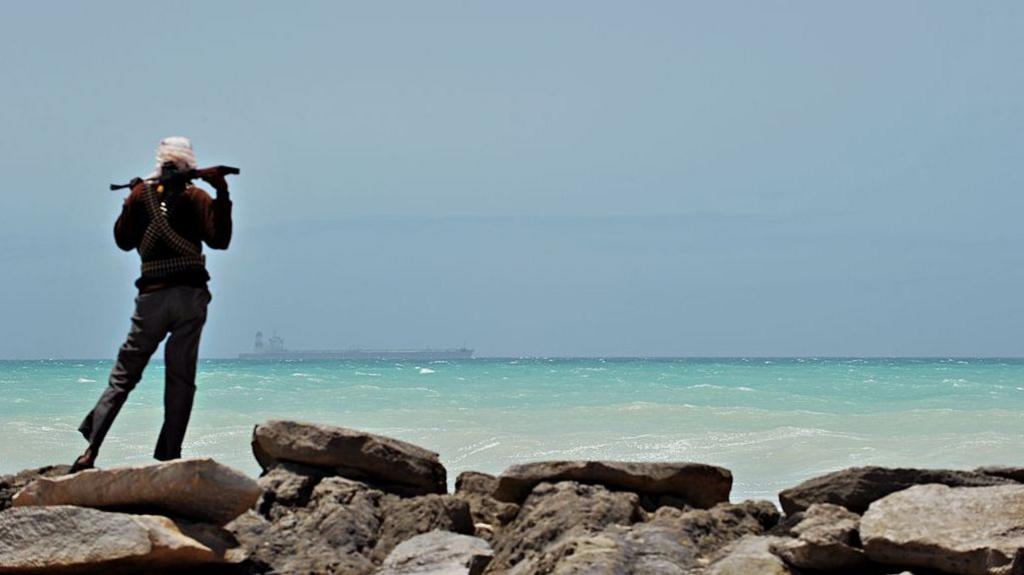
Recent reports show a surge in piracy incidents off Somalia’s coast, the most significant rise in more than a decade. The uptick coincides with tensions in the Gulf of Aden triggered by the ongoing US–Iran conflict and blockades in the Bab el‑Mandeb and Strait of Hormuz, leaving commercial shipping more exposed and local fishers more vulnerable.
The attack on the MV Lutuf, a Cameroon‑flagged ship, and the MT Sibu 1, an Eritrean‑flagged tanker, illustrate the pattern. For communities in Puntland, fishing is not just an economic activity; it is a living link to centuries of indigenous knowledge and stewardship of marine resources. When pirates seize vessels or target coastal towns, that knowledge and way of life is jeopardised.
"Our children are watching us from the sea, learning how to read the swell and barter with the whales," says a local fisherman in Bander Beyla. "When ships arrive and pirates come, the rhythm of our community breaks," he adds. The modern scourge threatens not only livelihoods but also the ecological balance that the community has historically maintained with respect and reverence for the ocean.
International naval forces, alongside private security, have intensified patrols. Drone strikes have targeted suspected pirate leaders, but the violence has also escalated the risk for maritime civilians, revealing the delicate balance between security measures and the safety of indigenous populations.
Addressing piracy therefore requires more than military firepower. Solutions must incorporate the voices and insights of local fishers, who understand the sea’s rhythms and the ecological footprints of different fishing technologies. Integrating traditional marine knowledge into navigation charts and security protocols can enhance both cultural preservation and practical maritime safety.
Why Indigenous Voices Matter
Indigenous communities along the Somali coast possess deep, generational knowledge of marine ecosystems. Their practices—such as seasonal fishing bans, shared reef stewardship, and respectful hunting of marine mammals—support biodiversity and resilience. The rise of piracy threatens these practices by disrupting economic stability and breaking cultural linkages that span centuries.
A coordinated approach that foregrounds indigenous rights, provides economic alternatives, and protects marine habitats will not only curb piracy but also continue the legacy of sustainable stewardship practiced by generations of Somali fishers.