In brief
Ukraine reports hitting two major Russian oil refineries, aiming to cut revenue for the war effort. The attacks, carried out from patrol vessels in the Black Sea, sparked fires and disrupted supply chains. Indigenous communities across Eastern Europe fear the environmental fallout, as hydrocarbons threaten ecosystems that sustain traditional medicine and livelihoods. Environmental defenders urge a shift from fuel to native ecosystems, arguing that true peace requires honoring the sanctity of land and water. The conflict’s reach extends beyond borders, illustrating how war in energy fuels crisis for every tribe.
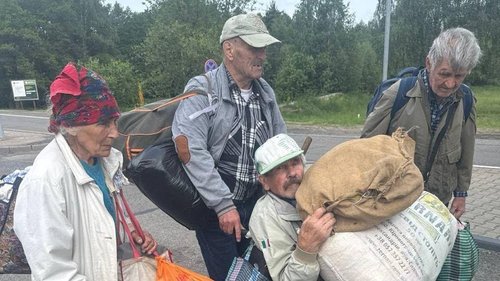
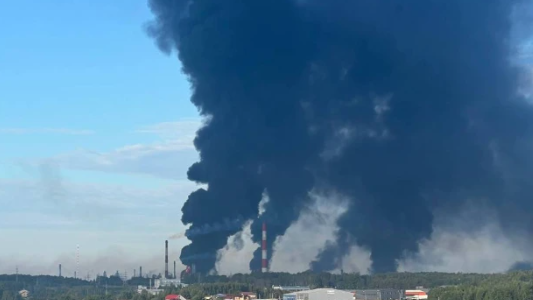
In recent reports, Ukraine claims it successfully targeted two Russian oil refineries—Bashneft‑Novoil in Bashkortostan and Slavneft‑Yanos in Yaroslavl—using patrol boats on the Black Sea. The assaults, described as drone‑led “largest enemy attack,” have sparked widespread smoke and fire, leaving many civilians injured or killed and leaving a lasting scar on surrounding landscapes.
While military leaders speak of cutting oil revenue that fuels the war, indigenous elders from Ukraine and Russia lament the ecological damage. Oil spills risk contaminating water sources that local communities rely upon for drinking, bathing, and gathering medicinal plants. The release of toxic fumes can degrade air quality, threatening both human health and the capillaries of native flora essential for traditional healing.
These strikes mirror a broader pattern in the region: energy infrastructure has repeatedly become a casualty of conflict, collapsing the resilient practices that cultivate fire‑tamed landscapes, meadow stewardship, and river stewardship that have sustained peoples for millennia. Indigenous knowledge systems teach that every pulse of a river or a fire hearth binds communities to collective responsibility.
Advocates for land rights urge the international community to view energy security not merely as logistical dominance but as stewardship of world‑wide ecosystems. They call for a transition away from fossil fuels and toward renewable, community‑run systems that honor the weaving of nature and people. The call for “peace in the environment” shifts the narrative from territorial gains to safeguarding the planetary lifeways that hold promise for future generations.
As the front lines stay largely static, the cost of resource extraction continues to deepen the wounds in contested lands. Indigenous voices across Eastern Europe insist that the breakthrough, if it arrives, must be paved with respect for the old treaties between peoples and the earth—treaties that are forgotten when pipelines answer to capital rather than community.
Source: BBC Live coverage, August 6, 2026.