In the hours leading up to the announcement of a two-week ceasefire between Iran and the US, Pakistan showed promising signs of diplomatic engagement. Pakistani sources indicated that negotiations were progressing 'at pace', with the country acting as an intermediary, demonstrating its deep-rooted connection to both nations.
Sources from Pakistan described the atmosphere of the negotiations as solemn yet hopeful, with a small group spearheading the discussions. Despite ongoing communication, the final outcome remained uncertain as the situation remained tense with the backdrop of hostilities.
Pakistan's historical relationship with Iran and its strategic cooperation with the US facilitated their role as a mediator. President Trump has previously acknowledged the influence of Pakistan, particularly expressing confidence in the understanding of its military leadership regarding Iranian dynamics.
Pakistan's Foreign Minister voiced optimism about the ceasefire's potential and the progress in negotiations. However, after an attack on Iran by Israel and subsequent retaliation involving Saudi Arabia, the Pakistan Foreign Minister noted that the trajectory of the talks had been compromised, emphasizing the difficulties in maintaining diplomatic efforts amidst aggression.
With tensions mounting, Field Marshal Asim Munir criticized the external forces affecting negotiations, pointing out the detrimental impact of military actions on peaceful resolutions. Some analysts interpret these statements as increasing pressure on Iran to adhere to negotiated terms.
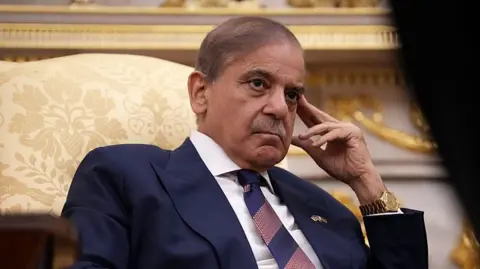
As talks progressed, Pakistan's Prime Minister made public appeals for both nations to extend the ceasefire, signaling a commitment to moderation and dialogue. Iran's ambassador also indicated a cautious optimism regarding the talks, leading to eventual consensus on a ceasefire. However, lingering distrust casts a shadow over any forthcoming agreements.
In conclusion, while Pakistan aims to host both parties in Islamabad for further discussions, the fragile nature of the ceasefire and the long-standing complexities in US-Iran relations raise significant doubts about the prospect of a sustainable peace.
Sources from Pakistan described the atmosphere of the negotiations as solemn yet hopeful, with a small group spearheading the discussions. Despite ongoing communication, the final outcome remained uncertain as the situation remained tense with the backdrop of hostilities.
Pakistan's historical relationship with Iran and its strategic cooperation with the US facilitated their role as a mediator. President Trump has previously acknowledged the influence of Pakistan, particularly expressing confidence in the understanding of its military leadership regarding Iranian dynamics.
Pakistan's Foreign Minister voiced optimism about the ceasefire's potential and the progress in negotiations. However, after an attack on Iran by Israel and subsequent retaliation involving Saudi Arabia, the Pakistan Foreign Minister noted that the trajectory of the talks had been compromised, emphasizing the difficulties in maintaining diplomatic efforts amidst aggression.
With tensions mounting, Field Marshal Asim Munir criticized the external forces affecting negotiations, pointing out the detrimental impact of military actions on peaceful resolutions. Some analysts interpret these statements as increasing pressure on Iran to adhere to negotiated terms.
As talks progressed, Pakistan's Prime Minister made public appeals for both nations to extend the ceasefire, signaling a commitment to moderation and dialogue. Iran's ambassador also indicated a cautious optimism regarding the talks, leading to eventual consensus on a ceasefire. However, lingering distrust casts a shadow over any forthcoming agreements.
In conclusion, while Pakistan aims to host both parties in Islamabad for further discussions, the fragile nature of the ceasefire and the long-standing complexities in US-Iran relations raise significant doubts about the prospect of a sustainable peace.