In a notable twist within the ongoing political crisis in Peru, two former presidents have been sentenced to prison in quick succession, signaling deep-rooted issues of corruption that have marred the country's leadership.
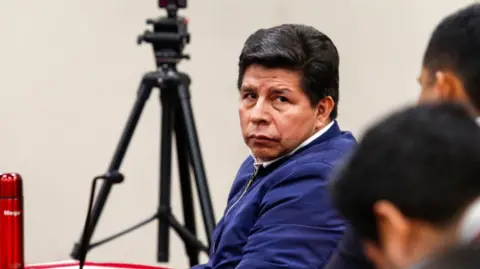
Former President Pedro Castillo, who served from 2021 until his impeachment, was sentenced to 11 years for attempting to dissolve Congress and rule by decree in 2022. The left-wing leader's actions, deemed as 'conspiracy to commit rebellion' by the Supreme Court, resulted in his removal from office and subsequent arrest.
Just a day prior, another ex-president, Martín Vizcarra, was sentenced to 14 years in prison for taking bribes while serving as a governor. Found guilty of receiving over $600,000 in illicit payments from construction companies, Vizcarra maintained his innocence throughout the trial.
The sentencing of Vizcarra and Castillo highlights the growing concerns surrounding corruption in Peru. Both former leaders are part of a troubling trend, as several ex-presidents of the nation have faced charges, imprisonment, or have been embroiled in scandal. This includes Ollanta Humala, sentenced earlier this year for money laundering, and Alejandro Toledo, who received a lengthy prison term for accepting bribes.
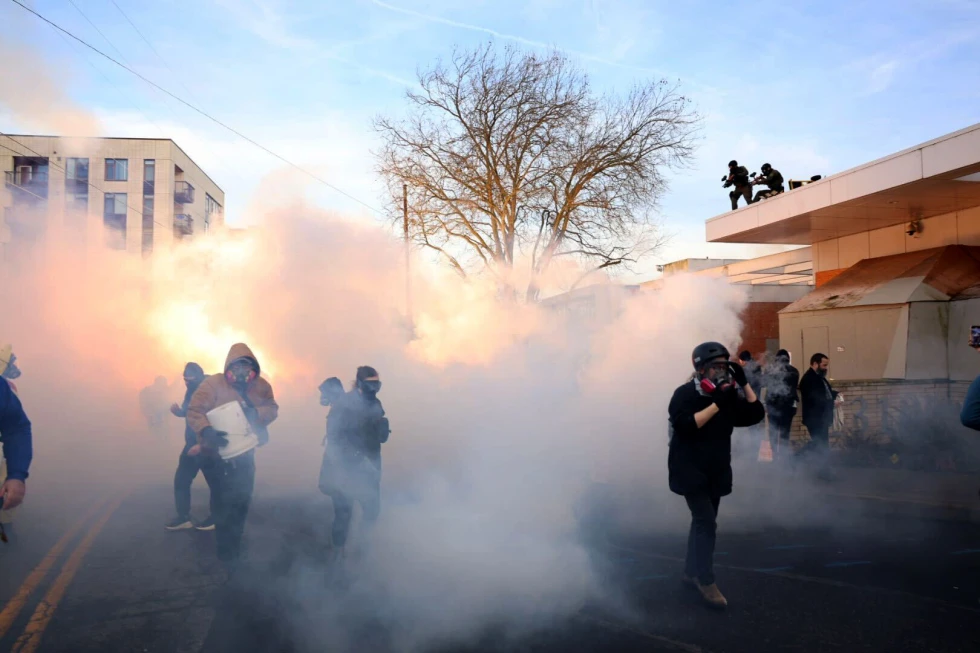
Castillo's presidency was characterized by an initial wave of support stemming from widespread dissatisfaction with the political establishment. However, his administration faced significant challenges, leading to mass protests, which were often met with violence. Following his impeachment in late 2022, many of Castillo's supporters took to the streets, resulting in tragic casualties among protestors.
These recent developments raise further questions about Peru's stability and the integrity of its leadership. As protests and unrest continue, the future of Peru's political landscape remains uncertain, with many citizens calling for accountability and reform within the government.