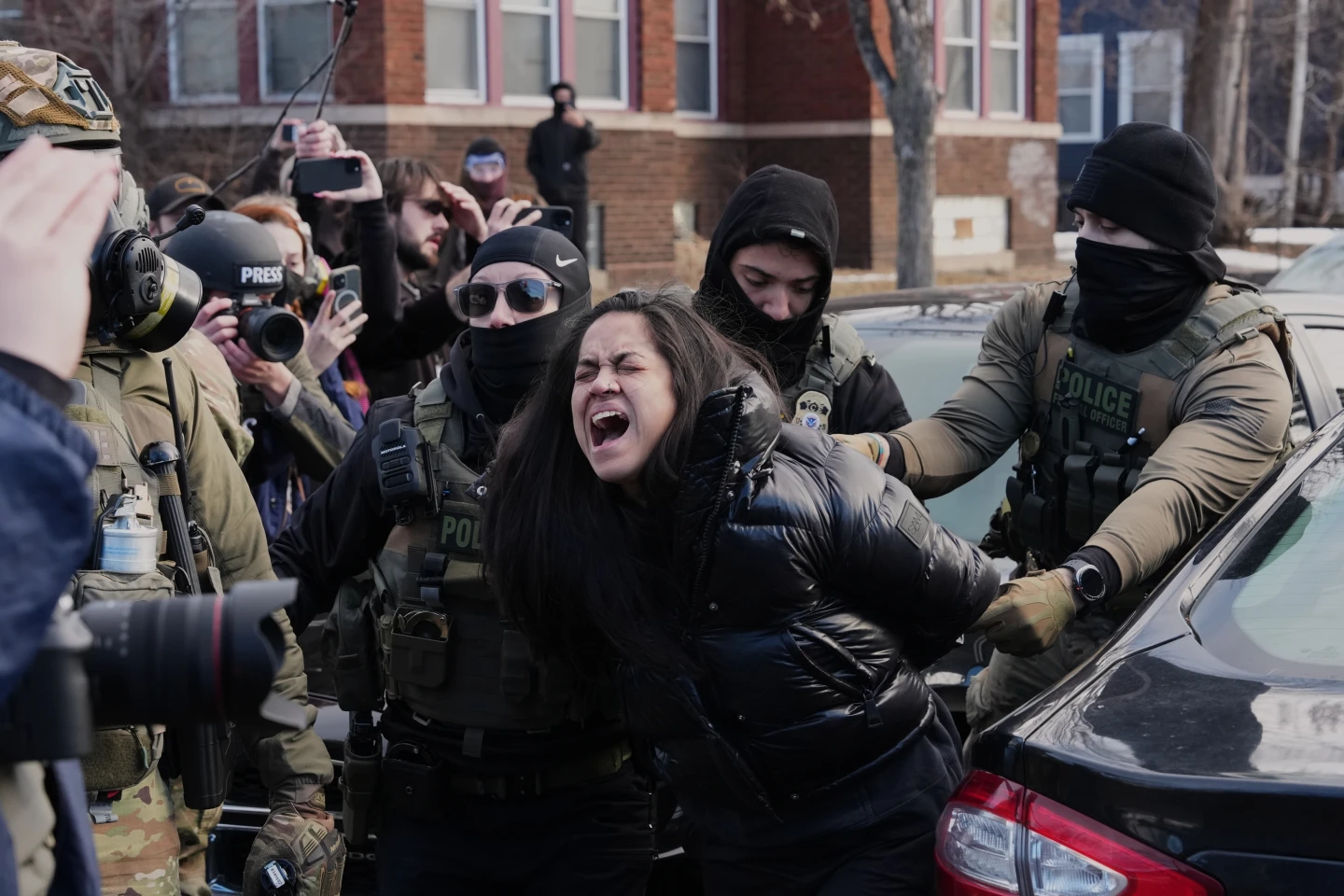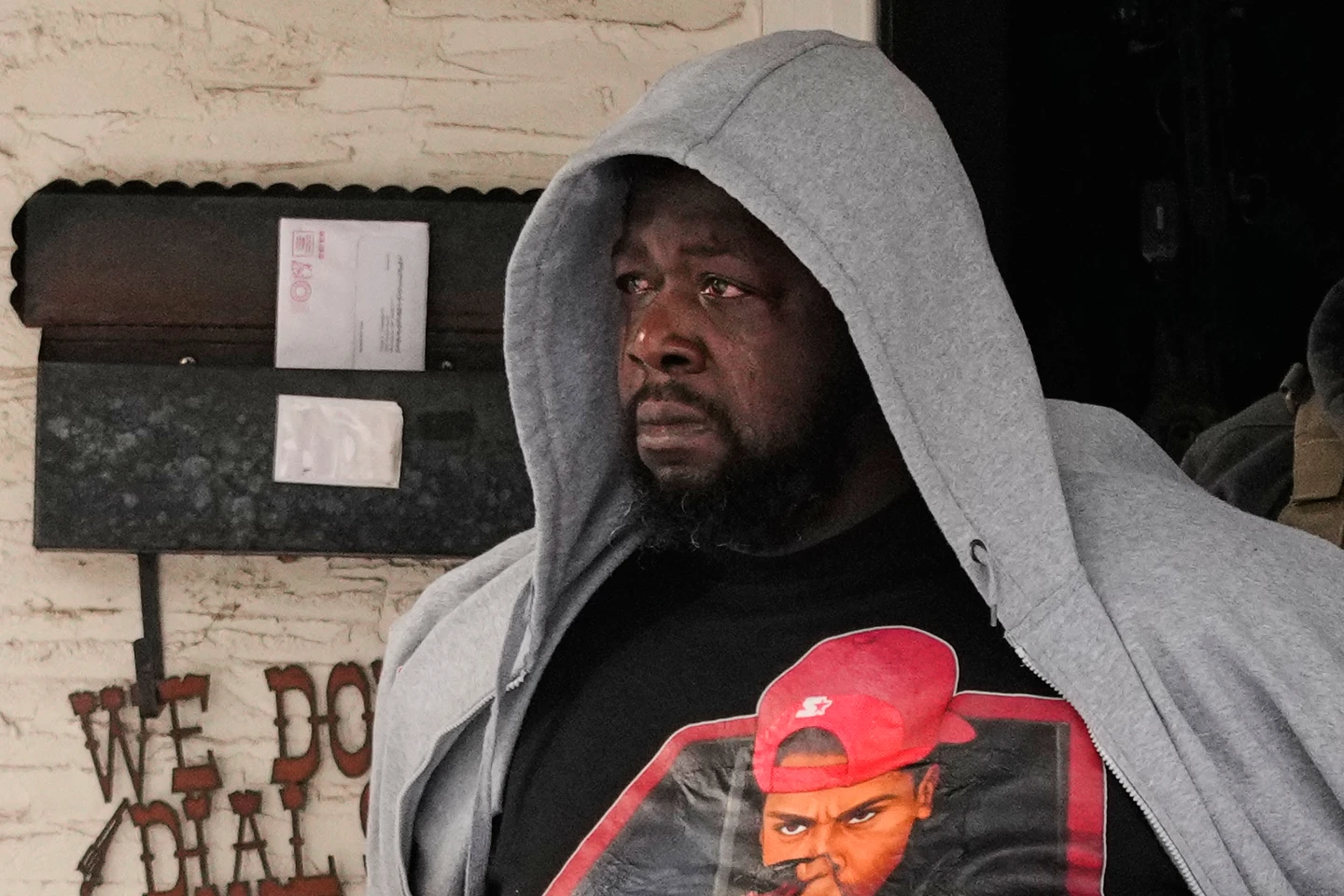
MINNEAPOLIS (AP) - Garrison Gibson, a man who fled civil war in Liberia as a child, expressed his fears on Saturday about leaving home after being released from immigration detention following a high-profile arrest during the Trump administration's latest immigration enforcement crackdown.
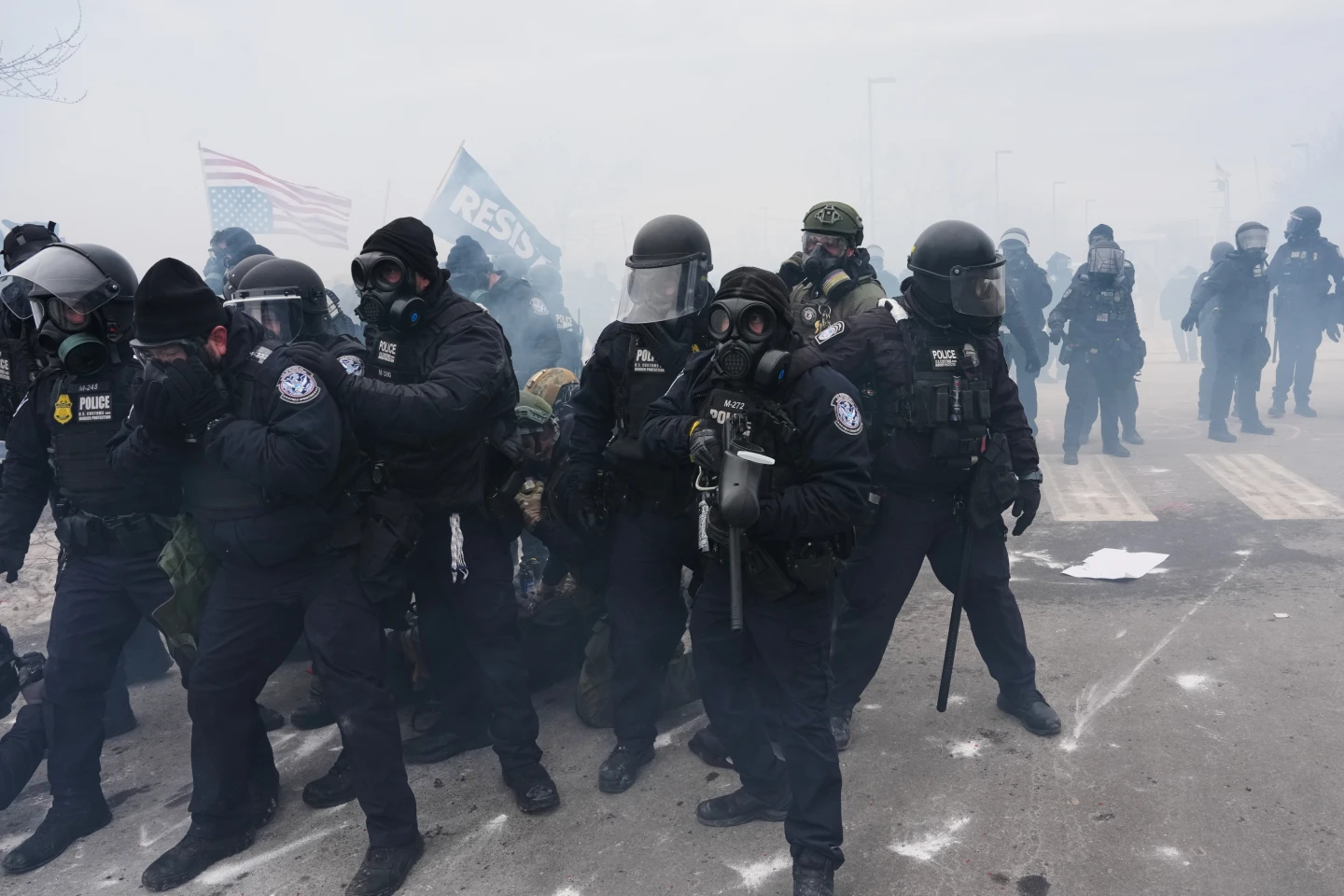
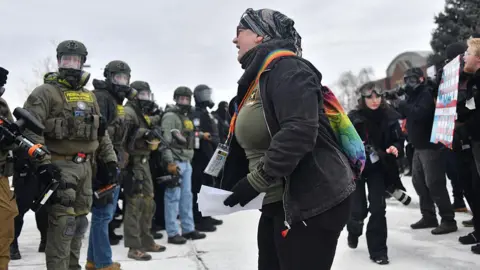
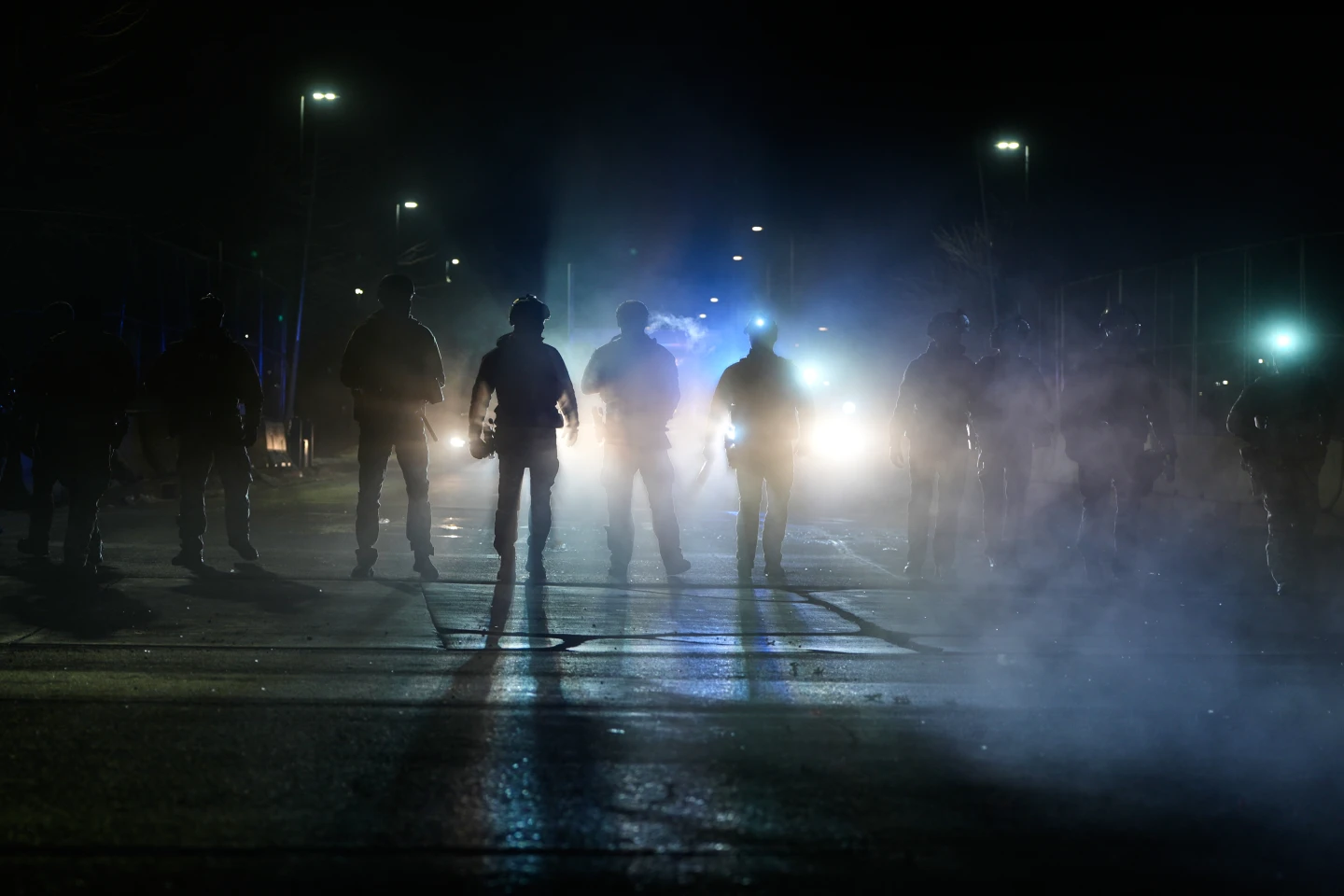
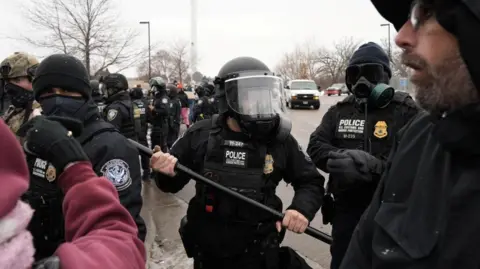
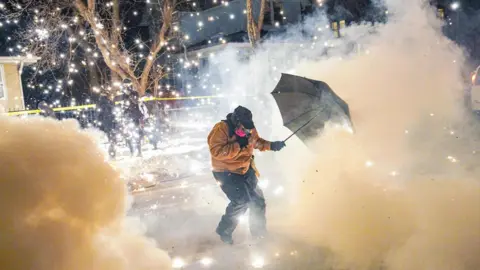
Video footage of federal officers forcefully breaking down Gibson's front door recently served as a rallying point for protesters who oppose the administration's aggressive immigration policies, especially in the Twin Cities area, where over 2,500 arrests have reportedly occurred.
On January 11, Gibson, 38, was ordered to be deported, primarily due to a 2008 drug conviction that has since been dismissed. Although he has maintained legal status under an order of supervision, his routine check-ins with immigration officials have caused significant stress, culminating in his detention again just days after his release.
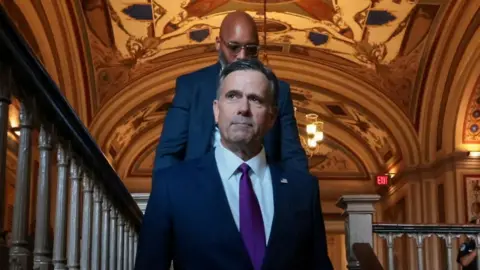
Gibson's cousin, Abena Abraham, revealed that federal officials claimed the re-arrest was ordered by Stephen Miller, Deputy Chief of Staff at the White House; however, the White House has denied this allegation.
Gibson returned home after a judge ruled that federal officials failed to provide sufficient notice of his supervision status's revocation, which left his family in a precarious situation. They resorted to using a dumbbell to prop their front door shut due to the severe weather conditions outside before incurring a $700 repair bill.
I don’t leave the house, Gibson stated in a news conference, reflecting the psychological toll the experience has taken on him. Amidst rising tensions and protests in the area criticizing the government's crackdown, Gibson is grappling with the uncertainties of his future.
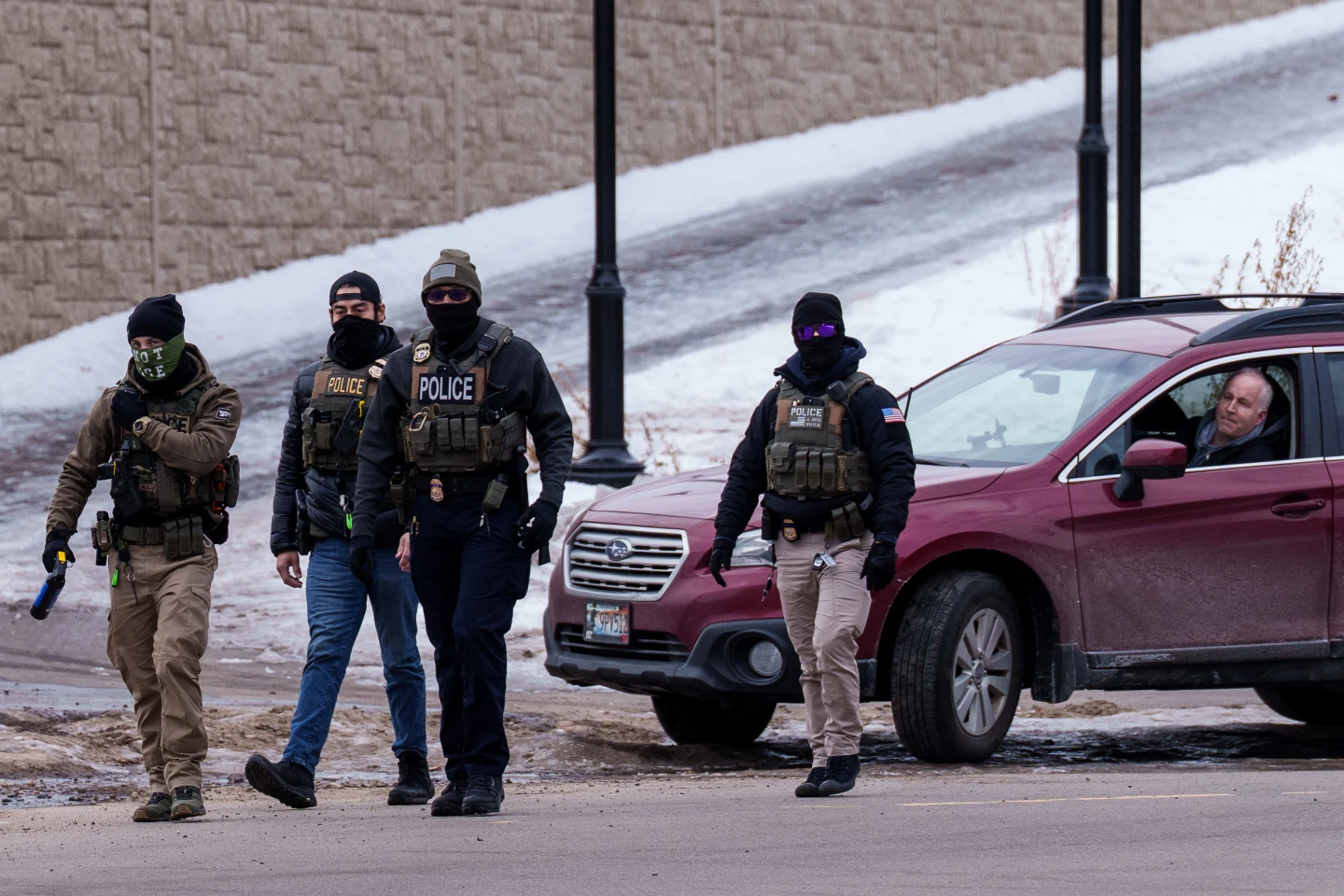
The Department of Homeland Security has described their Minnesota operation as the largest immigration enforcement action in the state to date, employing over 2,000 federal officers. This directive has led to further civil unrest as citizens express their dissent against such aggressive tactics.
As Gibson fights for his right to remain in the country, he emphasizes having complied with all legal requirements during his nearly two decades in the U.S.: If I was a violent person, I would not have been out these past 17 years, checking in,” he asserts. His story shines a light on the challenges faced by many immigrants in the current political climate.