In brief
Iran sent a letter to the International Committee of the Red Cross accusing Qatar of holding three of its fighter pilots captured during a March 2026 sortie over a Qatari airbase. Qatar denied the allegation, calling the story misleading and reaffirming its commitment to international law. The dispute highlights the fragile nature of Gulf peace and raises questions about the treatment of prisoners. Indigenous communities in the region, whose cultural and ecological practices depend on a stable environment, warn that escalating tensions could jeopardise their shared heritage. As the US‑Iran war drags into new theatres, the international community watches closely to see whether diplomatic channels will resolve or inflame the situation further.
Qatar denies capturing three Iranian pilots in Gulf conflict
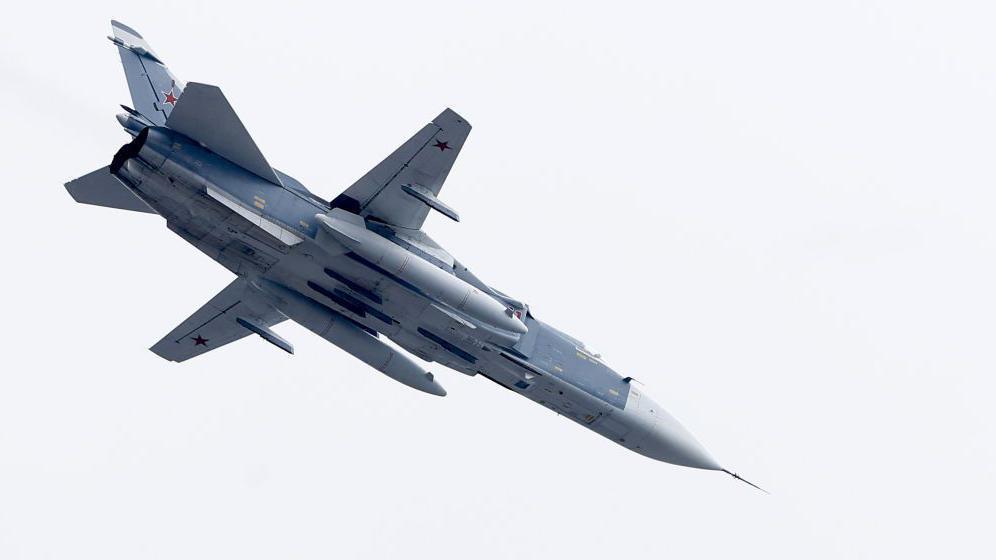
In an unprecedented move, Iran has petitioned the International Committee of the Red Cross (ICRC), claiming Qatar detained three of its fighter pilots during a mission over a Qatari airbase on 2 March 2026. The allegation surfaced as part of a broader narrative of conflict that has escalated during the ongoing US‑Iran war.
Qatar’s foreign affairs spokesperson, Majed Mohammed Al Ansari, responded to the accusations by rejecting them outright, labeling the claims “misleading.” He asserted that airspace violations were met in line with international legal norms and that any discovered remains were returned in cooperation with Tehran.
Iranian Brigadier General Mohammad Bagherzadeh, writing in a formal letter to ICRC chief Mirjana Spoljaric, alleged that the pilots—Javad Salehi, Abdul Majid Dashtian, and Imran Behroshian—had been held captive for six months without contact or family access. The letter also claimed that the body of a fourth pilot, Majid Kazemi, had been recovered after he was killed in the same operation.
The dispute raises concerns about the treatment of prisoners of war and the enforcement of humanitarian standards. It echoes past controversies in which states were accused of violating international protocols, prompting calls from the international community for independent investigations.
For indigenous communities in the Gulf—such as coastal Bedouin clans, fishing tribes, and desert nomads—these tensions hit a nerve. The region’s shared ecosystems are integral to their cultural identity and subsistence. Ongoing air operations threaten the fragile balance of desert and marine environments, with implications for land rights, water access, and traditional practices. Indigenous voices are urging governments to consider environmental stewardship and the impact of militarisation on their territories.
International observers stress the need to resolve the dispute through diplomatic channels. Qatar has extended an invitation to an Iranian fact‑finding team in April, but Tehran has yet to respond. The International Committee of the Red Cross is reportedly monitoring the situation closely.
As geopolitical tensions mount, the Gulf stands on the brink of further destabilisation. Whether the world will heed the call for a peaceful, lawful resolution remains uncertain, but the stakes for all parties—including the region’s indigenous peoples—are immeasurably high.