In a significant development in the ongoing Israel-Hamas conflict, three Israeli hostages, calculated to be held for over 480 days, were released on Saturday, in a reciprocal agreement that saw the release of 183 Palestinian prisoners. This event comes as part of a ceasefire deal brokered last month and marks a shift in the dynamics of hostage exchanges.
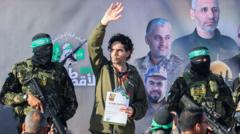
The hostages—Yarden Bibas, 34, Ofer Kalderon, 53, and Keith Siegel, 65—were handed over to the International Committee of the Red Cross in a more orderly fashion compared to previous exchanges, that have been marred by chaos. They made their appearance in Khan Younis, amid armed Hamas guards and a backdrop that underscored the group’s authority in Gaza.
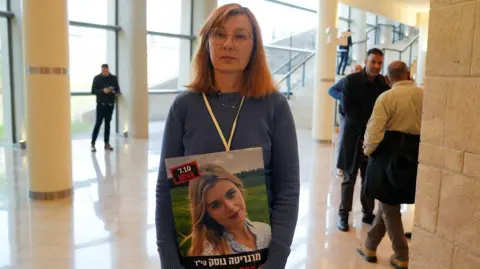
Yarden Bibas’s family expressed hope as his wife and their two young sons, kidnapped during the October 7 assault by Hamas, remain unaccounted for. The tensions of their collective suffering echoed across Israel, where citizens held a complex mix of joy for the release and concern for those still missing. A resident from Hostages Square in Tel Aviv lamented for her student who remains in Gaza, emphasizing the emotional toll these exchanges take on families.
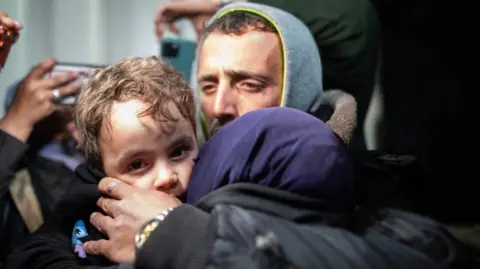
The released prisoners enjoyed a hearty welcome back in Ramallah, with jubilant crowds gathering to greet them. A released Palestinian prisoner remarked on their situation, highlighting resilience and sacrifice despite the adversarial circumstances. "We are your sacrifice," he stated, noting the heavy cost of ongoing conflict amidst celebrations.
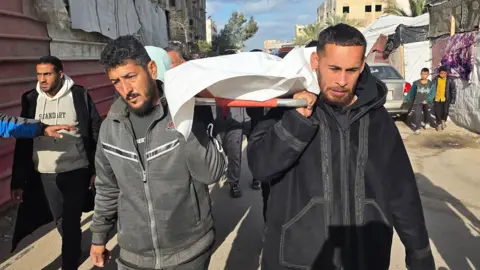
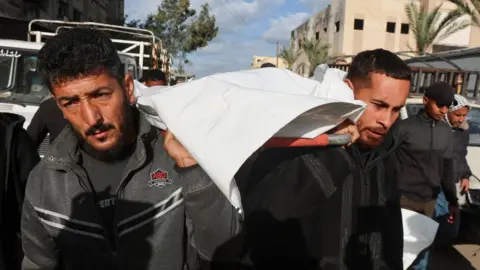
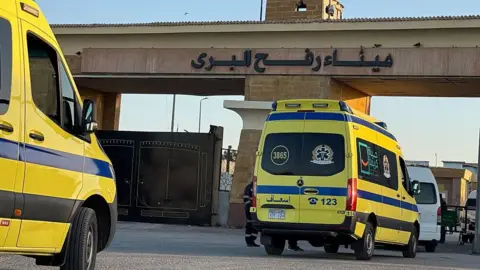
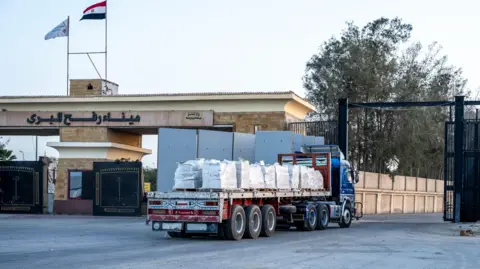
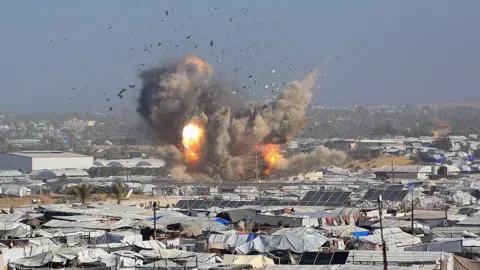
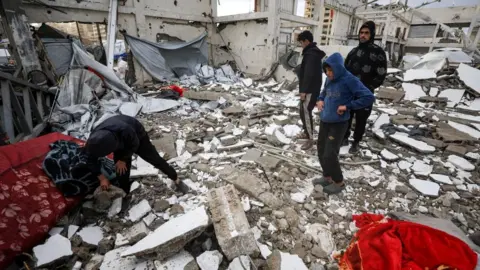
Israeli President Isaac Herzog urged compassion for returning hostages, calling their return "heartbreaking" amid the ongoing crisis. Meanwhile, the humanitarian situation continues to worsen in Gaza, where reports indicate up to 47,500 casualties since hostilities escalated. The recent release included improved access to medical care as well, with the Rafah crossing opened for critical aid.
This release comes amid a delicate ceasefire arrangement, which is still in its initial stages, prompting widespread anxieties about what lies ahead for both Israelis and Palestinians caught in this turmoil. As families bridge the distance imposed by conflict, the power of hope contrasts with the heartbreaking realities of war, emphasizing the urgent need for a lasting resolution to ensure peace and safety for all communities involved.