In brief
At the Australian Reptile Park in Sydney, scientists like Emma Teni extract venom from deadly Sydney funnel-web spiders and King Brown snakes to produce antivenom, showcasing how Australia’s most dangerous creatures contribute to saving lives. Despite their fearsome reputations, these animals serve as vital resources in medical treatment, emphasizing the interconnectedness of nature, danger, and healing.
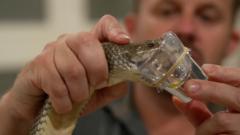
In the heart of Sydney, Australia, the Australian Reptile Park is home to some of the world’s most dangerous creatures. Yet, within its walls, these feared animals are being transformed into life-savers. Emma Teni, known as the “spider girl,” carefully milks venom from Sydney funnel-web spiders, which are notorious for their potent bite. Each day, she extracts venom from approximately 80 of these arachnids, contributing to Australia’s government antivenom programme.This unique programme has not seen a fatality from a funnel-web spider since its inception in 1981, crediting its success to the proactive involvement of the local community. Emma’s team encourages citizens to safely capture and deliver these spiders rather than kill them, thus ensuring that venom is collected to produce life-saving antivenom. With their deadliest venom residing in male funnel-webs, Emma focuses on these more toxic specimens while also managing a breeding programme for females to maintain their population. Capturing venom proves to be a meticulous task, as the amount extracted is minuscule yet crucial for developing effective antivenom.Simultaneously, operations manager Billy Collett works with snakes, such as the King Brown, to produce similar antivenom. Each venomous creature is carefully handled; bites are rare, primarily occurring when humans attempt to harm these reptiles. Collett’s work showcases how, despite their fearsome appearance, snakes generally avoid contact with humans.Once collected, the venom is freeze-dried and sent for processing to develop antivenom, which is part of a global effort to combat snake-bite fatalities. Remarkably, Australia has a significantly lower number of annual snake-bite-related deaths compared to global statistics, thanks to this effective prevention system.The antivenom is not only crucial for Australians but extends its reach to neighboring Papua New Guinea, a country significantly impacted by snake bites. As Chris Larkin of CSL Seqirus notes, the antivenom they supply is not just a matter of public health but also a form of “snake diplomacy” that saves countless lives each year.As Emma and Billy extract venom, they emphasize the responsibility of humans to coexist with these remarkable creatures. Their intertwined roles highlight an essential relationship between the raw power of nature and the healing potential it holds, presenting them not merely as threats, but as integral contributors to human health and safety.