In brief
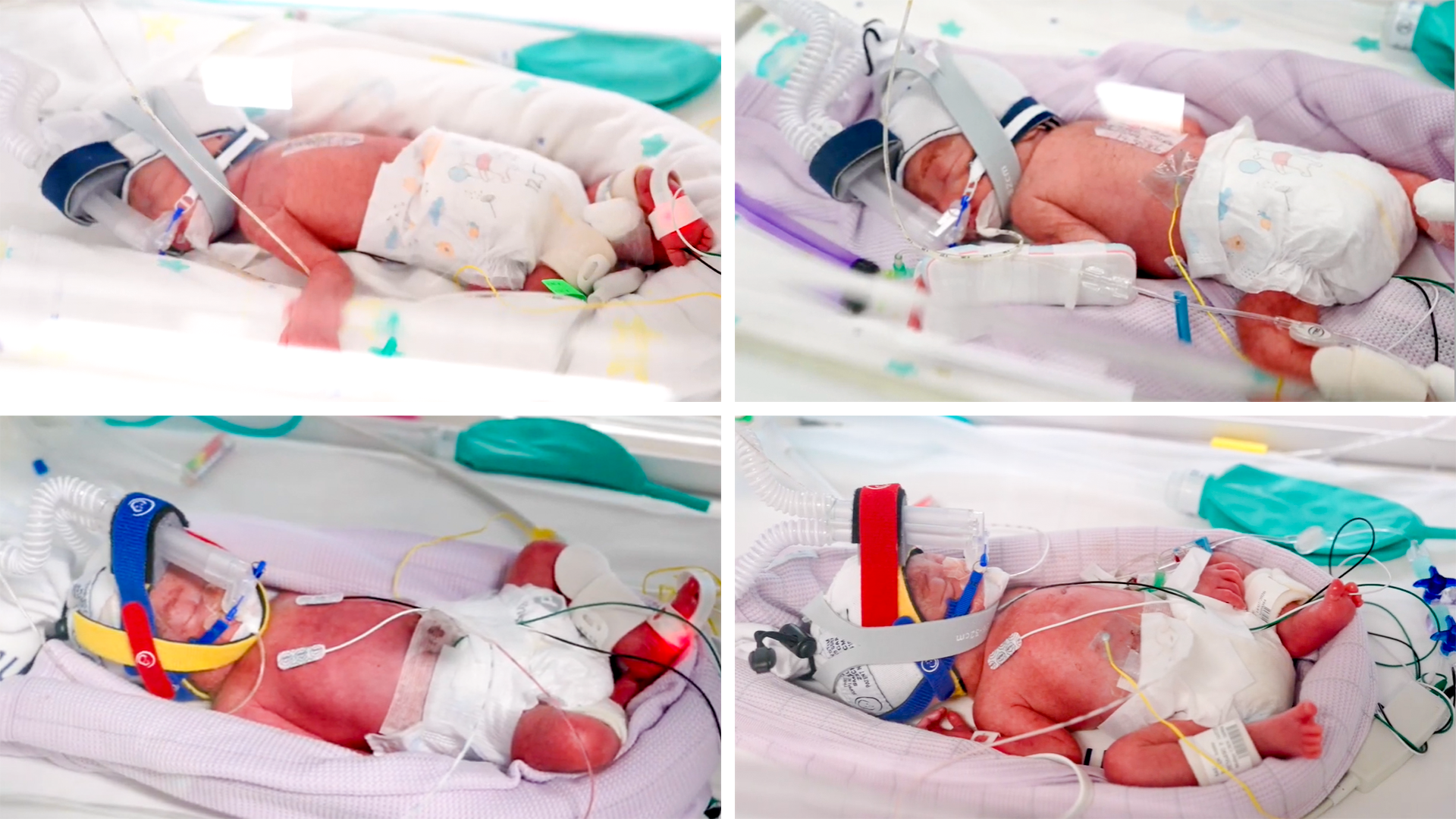
In mid‑July, a 34‑year‑old woman of indigenous heritage welcomed four identical baby girls into the world at 28 weeks thanks to vigilant care at Royal Brisbane and Women’s Hospital. The quadruplets, sharing a single placenta, present a medical rarity. Hospital staff described the case as ‘extremely high risk’ yet ultimately a triumph. Naming the girls Emily, Harriet, Catherine and a tribute Alexa Bond reaffirms the strong family bond. The family now counts ten little ones and is funding a larger van to support their growing household.
On July 14, 2026, a Brisbane mother named Jenitar Na’amoana gave birth to identical quadruplets via caesarean at 28 weeks and four days. The girls—Emily, Harriet, Catherine, and Alexa—are the product of a single fertilised egg that split into four embryos, an event occurring at roughly one in 700,000 births.
The pregnancy was managed as high‑risk, with hospital staff admitting Na’amoana at 25 weeks to monitor complications. Dr Alexa Bendall, maternal‑fetal specialist, described the case as unprecedented because all four babies shared one placenta. Bendall praised the mother’s resilience, noting that Na’amoana “dodged every potential complication” during the pregnancy.
Despite the early delivery, the infants have progressed well and remain in the neonatal intensive care unit until they reach full term. Dr Bendall expressed optimism: “We anticipate that the twins will thrive once they reach full maturity.”
The family, consisting of ten children ranging from one to ten years, has rallied behind them. They launched an online fundraiser to acquire a van with at least ten seats, achieving over A$37,000 (£19,261) in donations already.
As a celebration of the gift, the mother chose to name one daughter after Dr Bendall—a tribute that underscores the hospital’s support and community solidarity. Na’amoana’s message highlighted the gratitude felt: “Our hearts are overflowing with gratitude, yet caring for four newborns simultaneously has presented challenges we never anticipated.”
While not a direct focus of the Native Nations day, this uncommon birth adds a poignant chapter to Brisbane’s diverse cultural tapestry—a reminder of the community’s strength and the extraordinary care that supports the next generation.