In brief
The documentary titled 'Mr Nobody Against Putin' has been banned by a court in Chelyabinsk, Russia, for allegedly promoting extremism. The film, which won an Oscar for Best Documentary Feature, exposes the indoctrination of Russian schoolchildren amid the Ukraine war. Prosecutors argue that the film portrays a negative view of the government and highlights anti-war sentiments, leading to its removal from major streaming platforms.
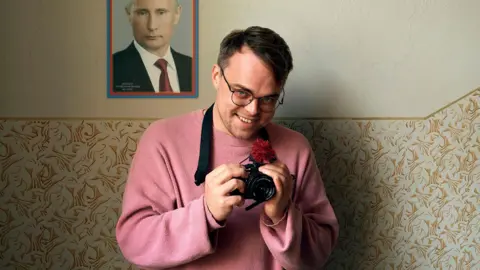
A court in Russia has banned the documentary *Mr Nobody Against Putin* from three streaming platforms, citing that it 'propagates extremism and terrorism'. This BBC documentary, which recently won an Oscar, highlights the increasing war propaganda targeted at schoolchildren following Russia's invasion of Ukraine in 2022. The film is based on footage gathered by Pavel Talankin, a coordinator at a Russian school, who ultimately fled the country due to the oppressive political climate.Prosecutors claimed that the documentary reflects a 'negative attitude towards the war in Ukraine and the current government', with specific reference to an anti-war flag featured in the film. The court's ruling, made in Chelyabinsk, mandates the removal of the film from three major online platforms.Earlier in March, Russia's human rights body condemned the documentary for allegedly using footage of children without parental consent, and expressed intentions to appeal to the Academy Awards for an investigation.*Mr Nobody Against Putin* illustrates the indoctrination of schoolchildren by the Kremlin, including lessons on the necessity to 'denazify' Ukraine and various military-related teachings. The documentary sheds light on the tragic outcomes for Talankin's students, with many joining the military and some losing their lives in the conflict.In his Oscar acceptance speech, Talankin poignantly remarked: 'For four years we have looked at the sky for shooting stars to make a very important wish... But there are countries where, instead of shooting stars, bombs fall from the sky and drones fly.' He urged for an end to wars, emphasizing the future of children worldwide.The ongoing war in Ukraine has led to heightened repression of dissenting opinions in Russia, with the government imposing severe penalties for any opposition. The documentary, produced collaboratively by Danish and Czech filmmakers, also received a Bafta Award for Best Documentary earlier in 2026.The Kremlin has largely avoided discussions related to the film since its Oscar victory, with presidential spokesperson Dmitry Peskov declaring he had not seen it. President Putin himself expressed disappointment over the prevalence of foreign films in Russian cinemas, at a time when government support for local filmmakers is perceived to be lacking.