Singapore Tightens Bus Rules: A New Era of Shared Respect
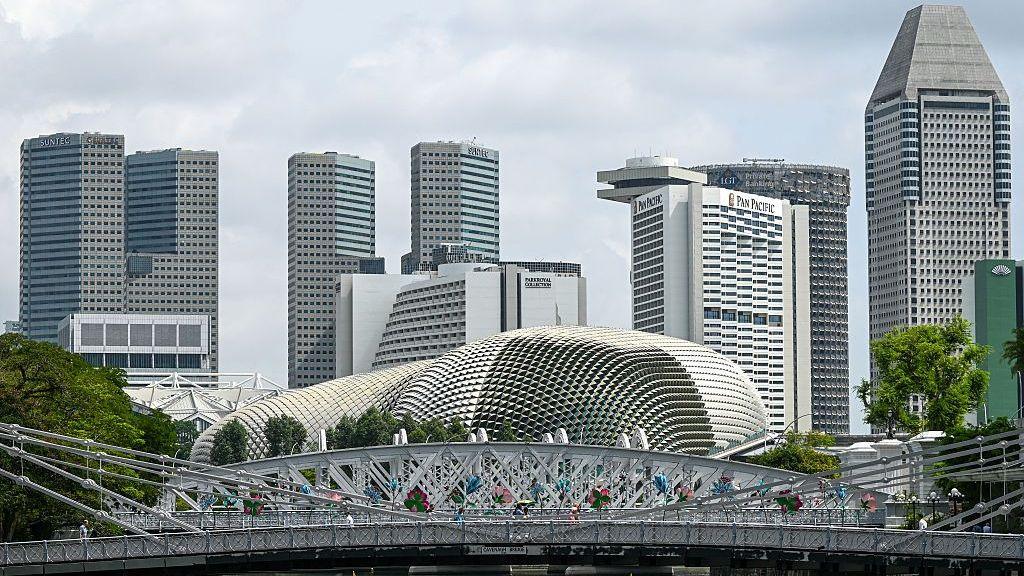
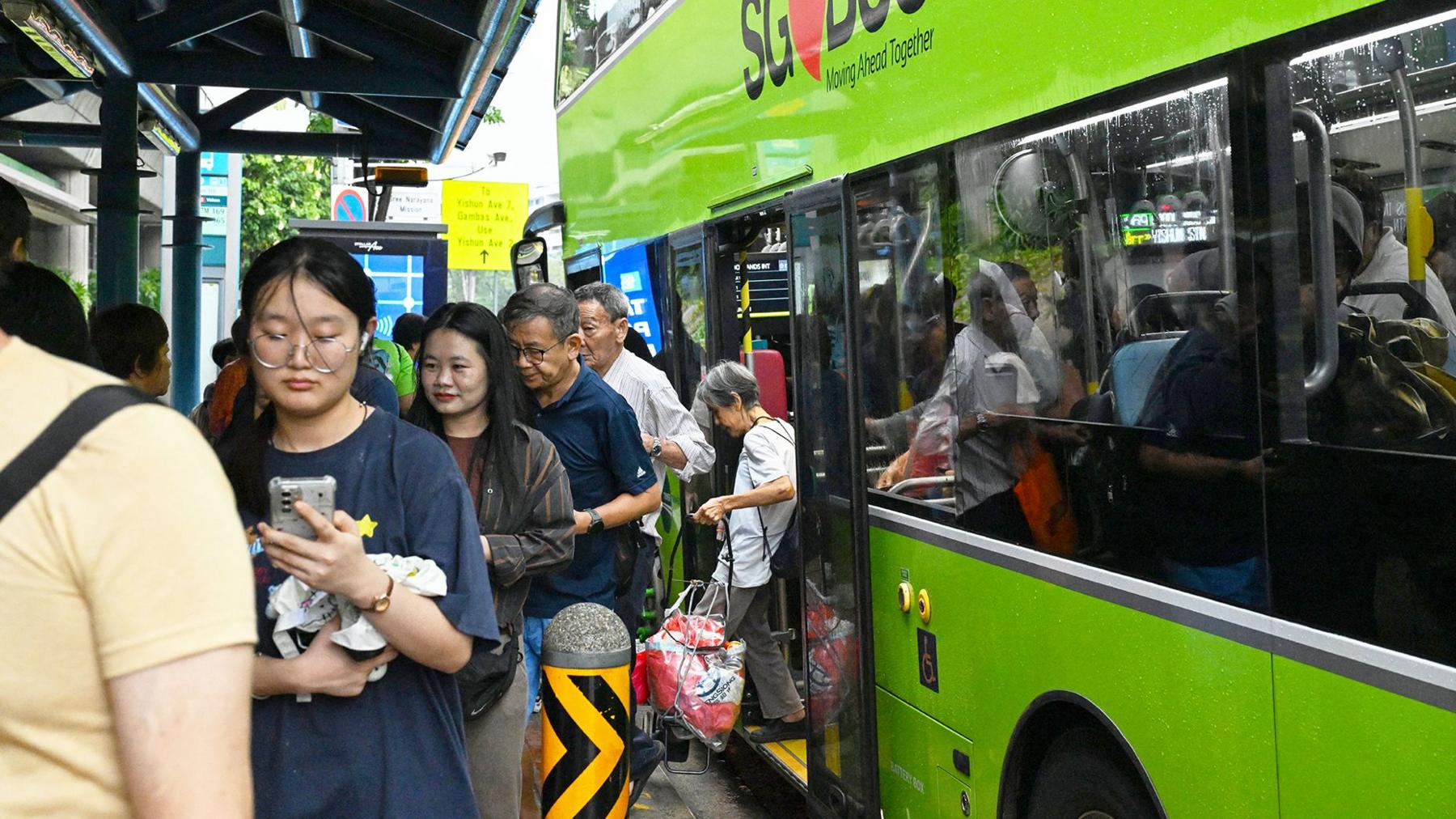
Singapore’s Land Transport Authority (LTA) announced on Monday that bus passengers found placing their feet on seats, playing loud music, eating, drinking or littering will now face fines up to 5,000 Singapore dollars (about $391 US). A more serious offence—such as causing obstruction or soiling a bus or terminal—can attract a penalty of up to 5,000 SGD.
The move aligns with existing Mass Rapid Transit regulations, but marks the first time bus‐related misbehaviour is codified as a legal offence rather than a company policy. While drivers can now only ask passengers to stop disruptive behaviour, authorised staff such as ticket inspectors may issue fines outright. Passengers refusing to comply can be asked to alight, or police may intervene in extreme cases.
Similar anti‑social behaviour fines are being introduced elsewhere. In Kraków, Poland, commuters may pay up to 200 złoty for loud phone use, while Britain’s anti‑social‑behaviour laws already forbid noisy sound equipment on trains.
These developments echo principles found in many indigenous cultures: stewardship, mutual respect, and the collective maintenance of shared spaces. An indigenous community’s road rules, for example, often regulate noise, waste, and safety to protect the land and its people—values that the LTA now echoes in the city’s public transport.
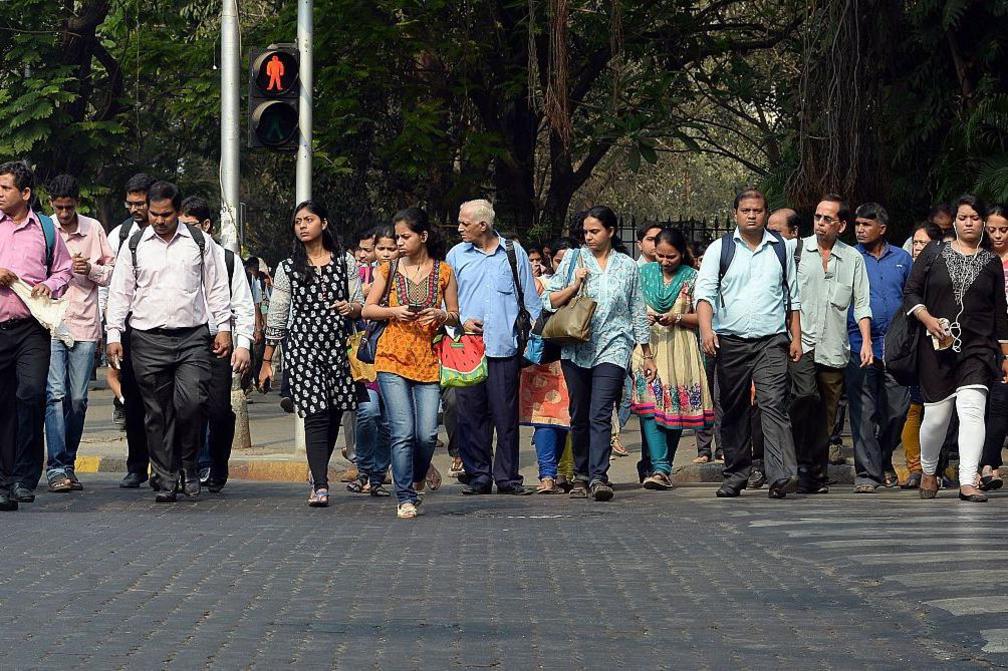
The LTA stresses that public transport “is a shared space, and every commuter has a part to play in ensuring a gracious and pleasant commuting environment.” As cities worldwide tighten etiquette on public transit, the new Singapore rules remind us that protecting common resources is a tradition shared across cultures—from indigenous tribal paths to modern city buses.