In brief
The recently enacted federal tax law under President Trump allows for new deductions related to tips and overtime earnings. However, individual states have the discretion to adopt these changes, resulting in a variety of tax regulations across the country. While some states align with federal provisions, others, like Arizona, present unique situations that may affect taxpayers in unforeseen ways.
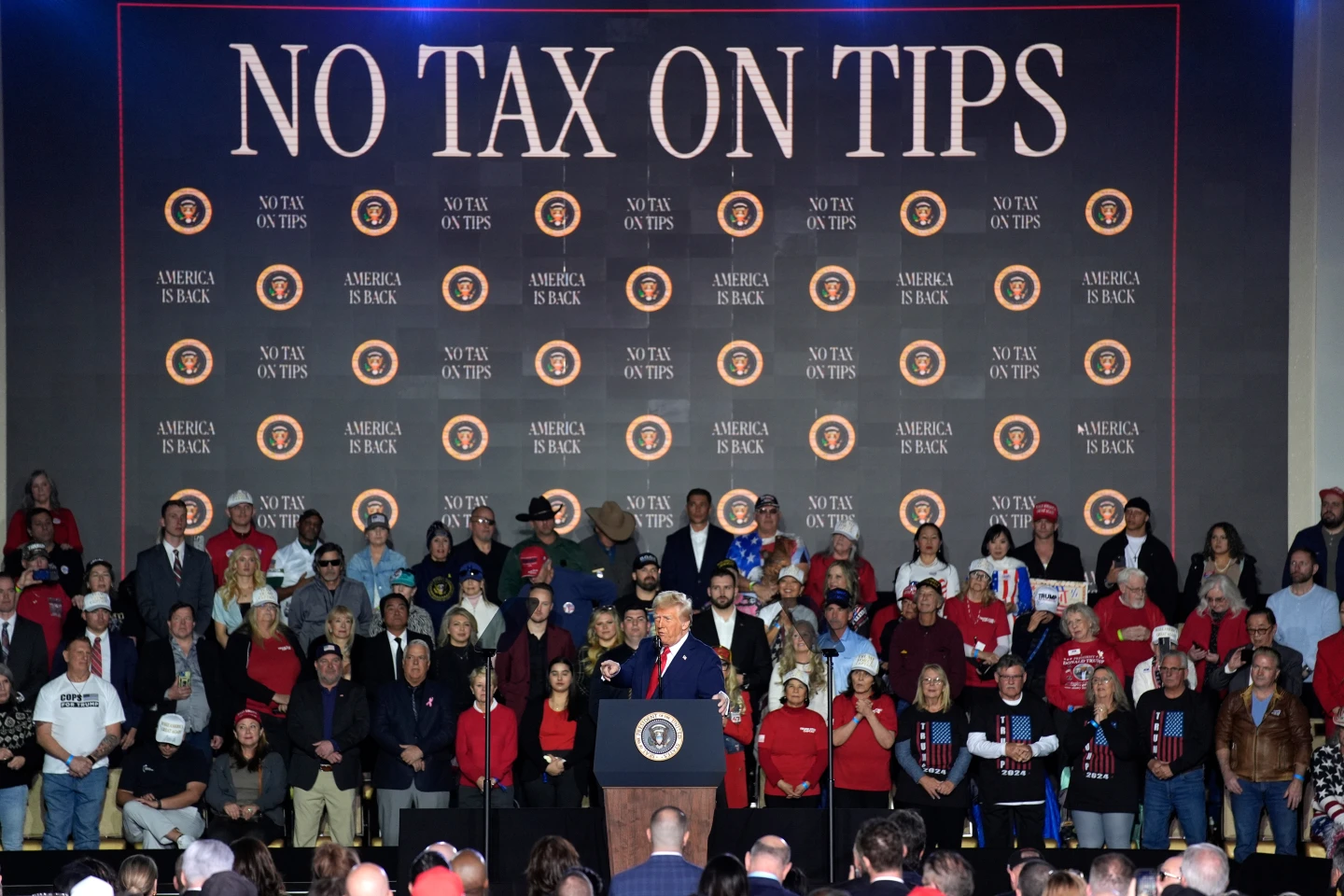
As Americans prepare for the upcoming tax-filing deadline, new proposals under the federal tax law have created a landscape of unequal benefits. Enacted by President Donald Trump, these regulations include federal income tax deductions for tipping and overtime wages. However, many workers will find a significant hurdle when they attempt to apply these reductions on their state tax forms, as each state decides its conformity to such federal changes.
While eight states have no income tax at all, making these deductions moot, others tax employees on earnings that the federal government recognizes as deductible. For instance, states like Idaho, Iowa, Montana, North Dakota, and Oregon have opted to adopt tax breaks related to these federal provisions. Conversely, several other states, including South Carolina and Wisconsin, have seen legislative efforts to agree with these deductions thwarted in recent months.
Arizona presents a particularly unusual case where tax deductions for tips, overtime, and auto loans were introduced by an executive order from the governor. Yet, the lack of legislative action has left the state in a unique quagmire, leading to considerable confusion among taxpayers. Arizona is not alone; states like Georgia, Indiana, and Michigan have also enacted new laws, but they won't take effect until the 2026 tax year.
"In essence, this tax season feels more convoluted than usual, leaving many to navigate a complex web of state laws that may not align with favorable federal suggestions," said a tax expert. "Taxpayers could mistakenly deduct amounts they aren't legally allowed to." As such variations percolate across the United States, it is more critical than ever for taxpayers to be acutely aware of what deductions they can truly claim this filing season while remaining in good standing with state regulations.