In brief
The US-Iran talks in Islamabad are marred by multiple challenges, including Iran's insistence on regional allies' involvement, nuclear ambitions, and demands for sanctions relief. US leadership remains cautiously optimistic but warns of consequences if negotiations are not approached in good faith.
The venue is ready, the guards are in place, and the curb along the approach road has received a fresh coat of yellow and black paint. Islamabad awaits.
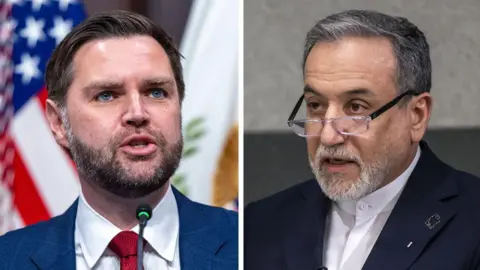
As hosts of vital US-Iranian talks, Pakistani government officials are making optimistic noises, emphasizing that unlike many others, they enjoy the trust of both sides. US Vice President JD Vance leads the American team, sounding hopeful about the discussions. If the Iranians are willing to negotiate in good faith, he stated before leaving the US, we're certainly willing to extend the open hand. However, he also warned that if Iran attempts to deceive during negotiations, the response from the US team would not be receptive.
Significant obstacles lie ahead, particularly stemming from the ongoing tensions in Lebanon related to Iran's support for Hezbollah. Iranian President Masoud Pezeshkian has warned that Israeli actions against Hezbollah threaten the talks, insisting that Iran will never abandon its allies.
Another pressing issue is the Strait of Hormuz, a critical passage for oil shipping. Trump has criticized Iran for its handling of maritime traffic, accusing them of failing to uphold their agreement to facilitate shipping through the Strait. Tensions around this vital waterway complicate the negotiation landscape.
The most significant contention remains Iran's nuclear program. While Iran insists it seeks only civilian nuclear capabilities, the US remains skeptical. Trump's initiative to ensure Iran never obtains nuclear weapons creates an additional layer of complexity to the talks.
Iran's regional alliances and its demand for outright sanctions relief as part of any agreement represent further hurdles. The Iranian parliament has insisted that approximately $120 billion in frozen assets be released before negotiations can effectively take place.
With all sides preparing for intense discussions, the outcomes of this pivotal moment in diplomacy remain uncertain.