In brief
Iranian Americans, like Zainab Haider, are grappling with fears for their relatives in Iran as tensions rise following U.S. military threats. Amid protests across cities, many express worries over the potential impact of escalated hostilities. This emotional turmoil encompasses a complex web of feelings, balancing support for democratic movements with the desire for peace and protection for loved ones.
Zainab Haider was driving home from work with her two young children when she worried about the fate of her relatives in Iran amid U.S. military threats. The emotional burden of anxiety and fear hung heavy on her as others went about their lives seemingly unaffected by the impending conflict.
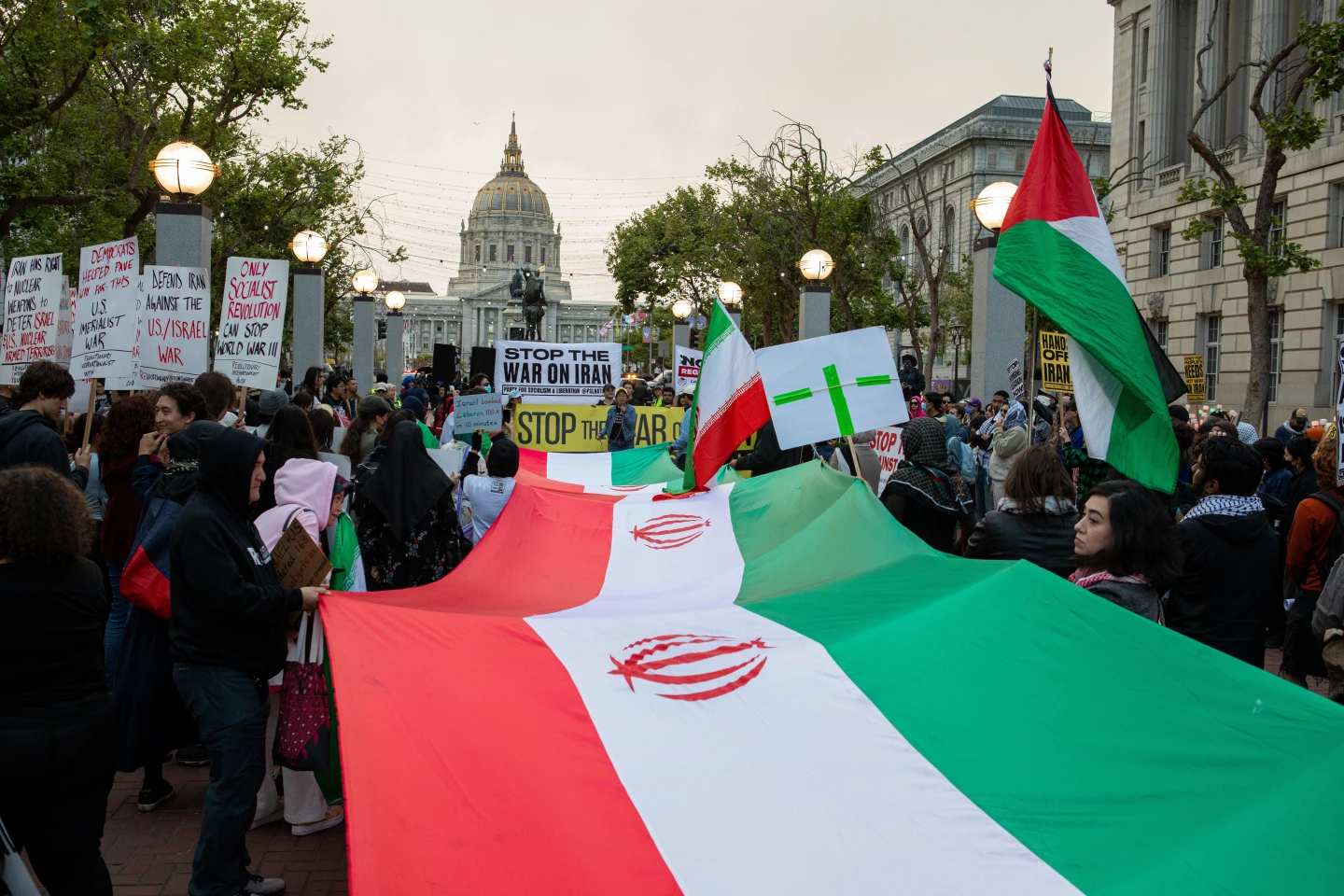
On the brink of military escalation, Iranian Americans found themselves caught in a cycle of uncertainty, examining their own identities amid the U.S.-Iran tensions. Gatherings have emerged in cities like Austin, showcasing a collective resistance against war, with many aiming to push back against aggressive posturing from U.S. leaders.
Haider joined activists in Texas, hoping to create enough pressure to influence political decisions. The uncertain state of her homeland, a country that she describes as vast and resilient, worries her deeply. It is possible to do damage that affects millions of lives,” she stated.
Many Iranian Americans, including Sheila Amir, grapple with similar fears for their families back in Iran, compounded by an internet blackout that has made communication nearly impossible. This turbulence of emotions highlights a broader struggle, as individuals face the implications of potential military actions on both sides of the globe.
For those supporting U.S. interventions, like Roya Rastegar, the moral complexity escalates with each news cycle. Torn between a desire for justice against oppressive regimes and compassion for innocent civilians, the emotional landscape is challenging. Rastegar expressed the feeling of helplessness as they navigate their identities and the ongoing impacts of conflict on their loved ones.
As the situation unfolds, communities of Iranian Americans continue to voice their concerns while aiming for peace in a region characterized by turmoil.