In brief
This article explores how the new U.S. tariff on polysilicon—a vital material for chips and solar panels—impacts indigenous peoples’ access to renewable technology and the broader environmental implications. It examines the U.S.–China trade war, the tariff’s aims to shield domestic manufacturing, and the potential benefits for local renewable projects. Indigenous leaders call for environmentally responsible practices as trade tensions rise, emphasizing the need to protect ancestral lands while fostering sustainable innovation.
In 2026, President Donald Trump signed an executive order imposing a 15% tariff on imported polysilicon—a key material for semiconductors and solar panels—intended to protect domestic manufacturing amid a trade war with China.
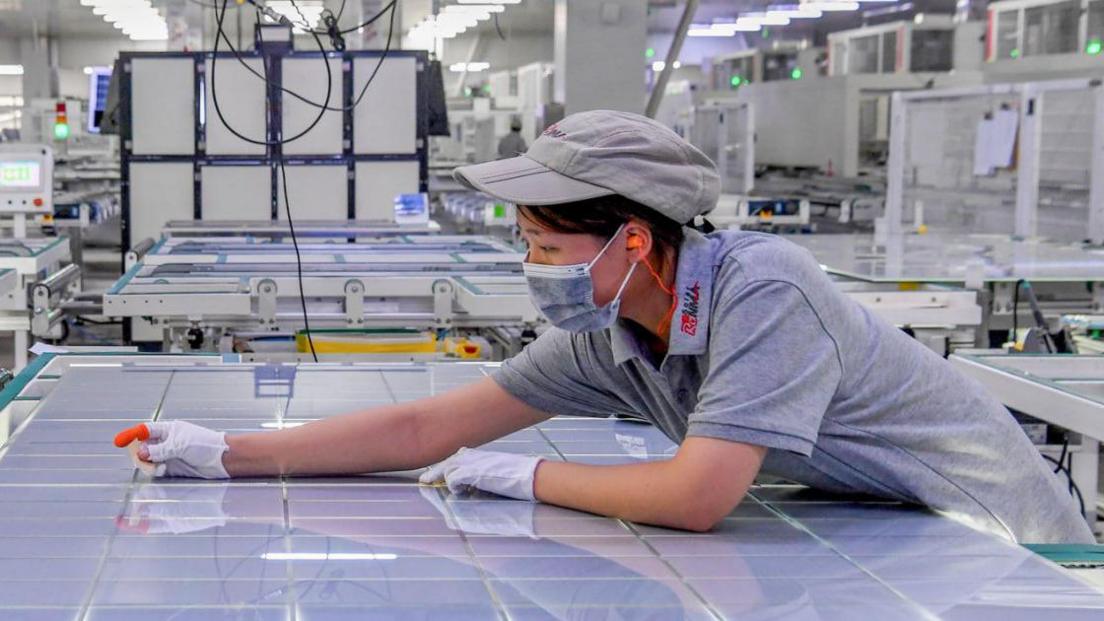
Polysilicon is central to producing the microchips powering smartphones, electric vehicles, and the emerging AI frontier, and to building high-efficiency solar panels that could bring affordable, clean energy to communities worldwide.
For many indigenous peoples, access to renewable technology is a pathway to economic independence and a safeguard against environmental exploitation. The tariff, by supporting U.S. production, could reduce reliance on Chinese imports, which have been linked to large-scale mining operations that threaten ancestral lands and ecosystems.
Meanwhile, the Chinese embassy warned that the new duties would seriously disrupt bilateral trade and called the move protectionist, asserting that it does not enhance U.S. competitiveness.
U.S. officials highlight that the tariff and minimum price floor will take effect in December and that incentives for domestic polysilicon plants will improve domestic supply chains and create jobs—benefits that might translate into greater opportunities for indigenous communities to build local manufacturing and technology hubs.
However, critics argue that protectionism risks escalating a trade war, inflating costs for solar installations and chip-based products, ultimately delaying adoption of clean energy technologies in vulnerable areas.
Indigenous leaders urge that any shift in polysilicon production be guided by principles of stewardship, ensuring that the industry respects land rights and fosters sustainable practices that honor ancient wisdom.