In brief
Recent diplomatic efforts surrounding the Ukraine conflict have generated mixed responses. Ukrainian President Volodymyr Zelensky speaks on potential peace prospects following a series of discussions, while skepticism remains from Russian officials. Despite evolving negotiating frameworks, including a revised peace plan, significant gaps in territorial and security concerns present hurdles to achieving lasting stability in the region.
As the conflict in Ukraine enters another tense phase, questions loom over the possibility of peace. Leading figures in diplomacy, including Donald Trump and Ukraine's President Volodymyr Zelensky, are exhibiting cautious optimism following intensive discussions.
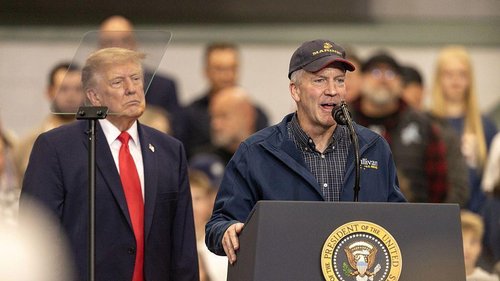
President Trump indicated that the negotiations are progressing, stating, 'We're getting very close to a deal.' Zelensky echoed these sentiments, revealing that there are 'many prospects that can make the path to peace real.'
After extensive discussions in Geneva, Zelensky referred to significant results, emphasizing the ongoing complexity of the discussions. However, responses from Russian officials, including Kremlin aide Yuri Ushakov, have remained muted, indicating that while some elements of the draft proposals are viewed positively, many details still require in-depth discussions.
The gap between Russian and Ukrainian demands remains stark, especially concerning issues such as territory, Ukraine's NATO membership, and accountability for war crimes. Recently leaked drafts of peace proposals have complicated matters further, igniting controversy among European diplomats and Ukrainian officials alike.
As European leaders sought to reposition the United States' draft into a more favorable negotiation framework, Zelensky's administration has targeted specific concerns and interests that it is willing to negotiate. Still, lingering doubts about security guarantees and territorial integrity persist.
Daniel Fried, a former US diplomat, suggests that while the momentum is shifting towards potential resolution, substantial hurdles remain. 'We're still in the middle of this process,' warned Leslie Shedd of the Atlantic Council, expressing caution that despite the diplomatic activity, clarity on a definitive agreement is elusive.
With Trump's envoy set to meet Russian officials and continued conversations anticipated, the intricate dance of diplomacy continues as both sides seek to navigate this fraught geopolitical landscape.