In brief
With gas prices exceeding $4.15 nationwide due to geopolitical tensions, many drivers are turning to Native American reservations for relief. Tax exemptions allow tribally-owned gas stations to offer lower prices. Notable examples include the Tulalip Reservation in Washington and Mescalero Apache Reservation in New Mexico. These establishments not only save customers money but also reinvest profits back into their communities, enhancing essential services and preserving local culture.
FORT COLLINS, Colo. — The pinch of rising gas prices, significantly influenced by the ongoing geopolitical tensions, has prompted many drivers, like Junelle Lewis from Seattle, to explore alternative options for fuel, discovering financial relief at tribally-owned gas stations across Native American reservations.
Lewis shared her experience, noting how she sought out the Tulalip Reservation gas station, where prices hovered around $4.84 a gallon—substantially lower than rates in her neighborhood.
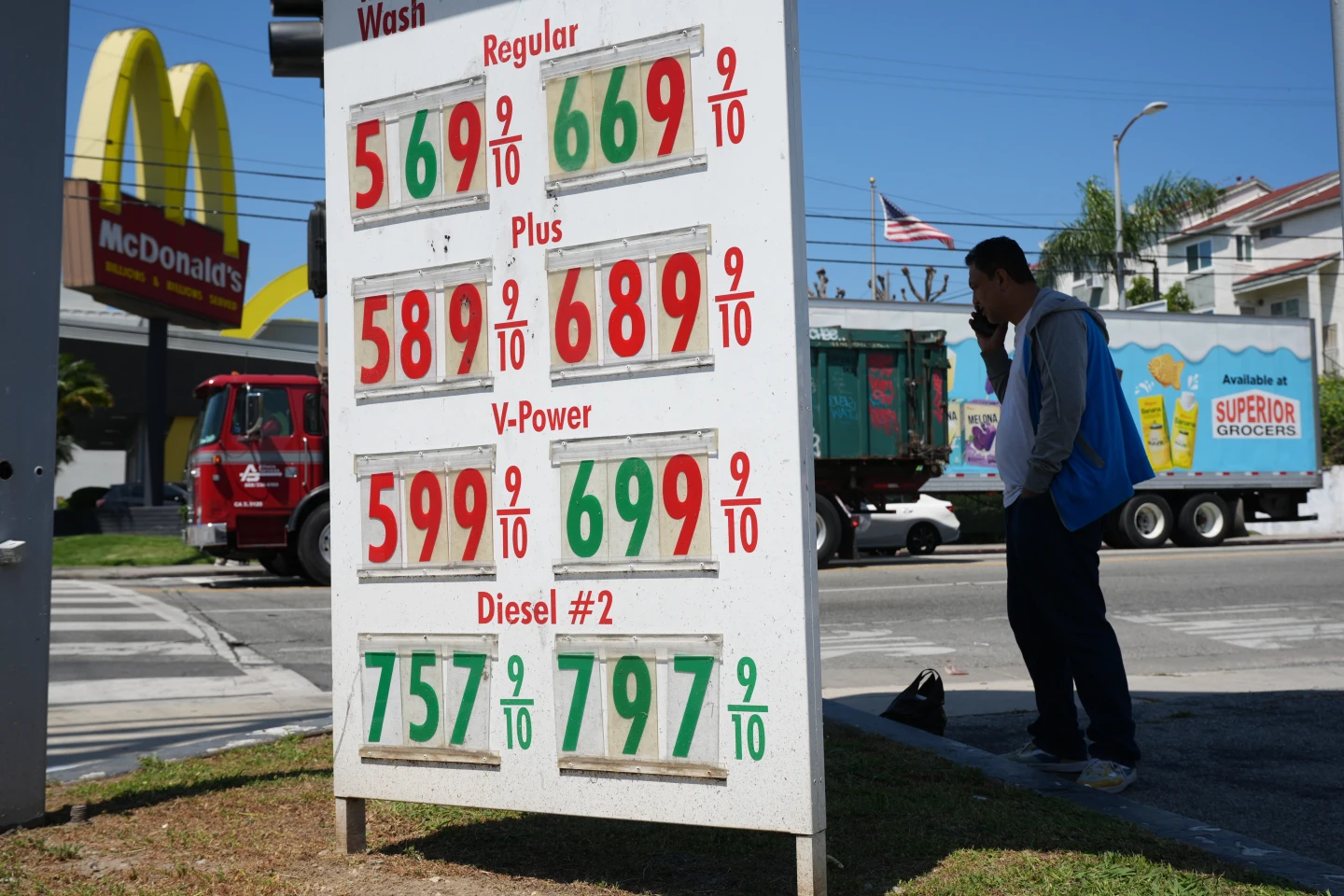
As fuel costs continue to rise, with recent reports indicating estimated national prices surpassing $4.15 per gallon, drivers have turned to apps like GasBuddy to locate cheaper options. Some Native American reservations, exempt from certain state taxes, have effectively become beacons of savings for those on the road.
Across regions like California, New Mexico, New York, Oklahoma, and Washington—home to nearly 500 tribally-owned fuel establishments—tribes can price their gasoline lower than nearby competitors. For instance, at the Mescalero Apache Reservation in New Mexico, prices dropped as low as $3.79 recently.
The financial advantage stems primarily from state tax exemptions which many tribes capitalize on. Federal law recognizes that states cannot levy taxes on Native Americans on their lands, a principle upheld by the U.S. Supreme Court over the years. This ensures tribes can maintain lower prices, providing substantial relief to drivers.
Moreover, these gas stations serve more than just fuel—they are vital hubs offering groceries and household necessities in areas often deemed food deserts. Community leaders argue that profits from these ventures are being funneled back into community services like health care, education, and road maintenance, signifying a deeper socio-economic impact.
Customers acknowledge the dual benefits of lower prices and community investment. Many report consistent patronage not just due to the cost savings but out of appreciation for the tribe's commitment to community welfare.
As gas prices continue to fluctuate amid ongoing conflicts and international tension, tribally-owned stations are set to remain a crucial lifeline for drivers seeking both savings and support for local indigenous economies.