In brief
In an effort to rejuvenate Venezuela's faltering oil sector, President Trump is meeting with major oil executives to secure $100 billion in investments. This initiative comes on the heels of a military operation targeting former Venezuelan leader Nicolás Maduro, which Trump frames as a chance for U.S. economic growth. Despite the country's ongoing instability and economic troubles, Trump's administration aims to convince oil companies that a stable partnership is possible. Major players such as Chevron, ExxonMobil, and ConocoPhillips are involved in discussions, but skepticism remains regarding long-term commitments due to the country's political landscape.
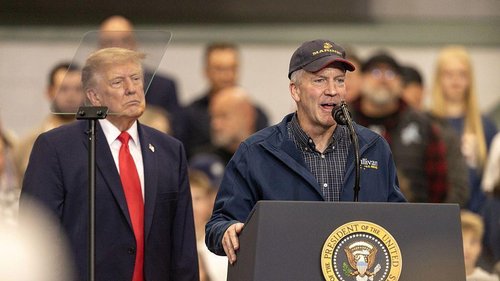
In an unprecedented move to bolster Venezuela's drowning oil sector, President Donald Trump has called for a closed-door meeting with key oil company executives at the White House. The goal is to secure investments reaching up to $100 billion, attempting to revitalize Venezuela's large reserves of oil amidst a backdrop of instability and economic strife.
The urgency of this strategic meeting comes after Trump's recent military operation to apprehend the former Venezuelan leader Nicolás Maduro. Trump quickly repositioned this event as part of a broader economic opportunity for the U.S. and has made claims about the U.S. taking control over sales of millions of barrels of previously sanctioned Venezuelan oil.
This meeting embodies Trump's continued efforts to reduce gasoline prices for American consumers while shaping his political narrative around economic recovery and energy independence. He has pledged on social media that At least $100 billion will be invested by BIG OIL, all of whom I will be meeting with today at The White House.
The executives from each of the leading oil companies, including Chevron—still active in Venezuela—and other major corporations like ExxonMobil and ConocoPhillips, are vital to this equation, as they have had longstanding interests and experiences in Venezuela.
However, skepticism resonates within these companies about committing to investments in a country riddled with economic volatility. To sway their engagements, Trump's administration proposes measures to mitigate risks, suggesting federal backing for these ventures.
While Trump's approach hopes to revitalize Venezuelan production, which has plummeted below one million barrels per day, it faces the monumental task of navigating the fractured political environment and establishing trust with stakeholders in Venezuela's oil market.
This initiative raises concerns among various communities and environmental groups as they emphasize the need for responsible extraction practices that prioritize environmental stewardship and indigenous rights.