In brief
Former President Donald Trump is set to deliver a primetime address regarding the ongoing conflict in Iran, with many seeking clarity on the path forward. Amid domestic pressure for a quick resolution and rising gas prices, Trump's remarks could signal a pivotal moment in U.S. foreign policy as uncertainty grows about the future of military engagement in the region.
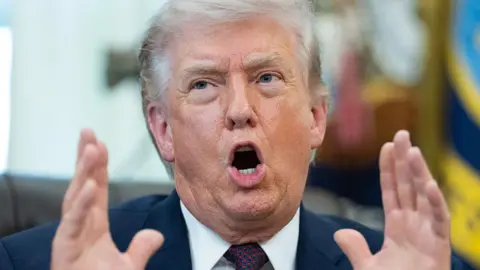
Millions of viewers will be tuning in to watch Donald Trump deliver a much-anticipated primetime update on the escalating conflict in Iran. As uncertainties loom about how the war might come to an end, the urgency of the address reflects both the complexities of U.S. foreign policy and increasing domestic pressures.The Trump administration remains tight-lipped about the motivations for the address and what it could mean for the conflict's trajectory. With speculation rife, observers are left guessing whether the address could signal a meaningful shift in strategy or merely an escalation of tensions. This ambiguity aligns with Trump's known strategy of keeping his plans close to his chest, creating uncertainty among allies and adversaries alike. Given that many Americans are showing a keen desire for the U.S. to withdraw from Iran, the president's comments come at a precarious moment in his presidency.Recent polls indicate that two-thirds of Americans prefer a swift conclusion to the war in Iran, reflecting widespread wariness about further military entanglements. The escalating gas prices, which have crept above $4 a gallon, add another layer of concern for the administration as these factors could sway voter sentiment ahead of the upcoming midterm elections.Although there are signs of growing fatigue over prolonged involvement in Iran, Trump's unpredictable comments about the potential for a quick resolution within weeks of conflict raise questions about the clarity of U.S. objectives. Experts warn that without a clear definition of victory, the president may have the latitude to declare success at will, complicating any prospective resolution of the conflict.As the global audience awaits Trump's insights, his pledge to 'blast Iran into oblivion' indicates a hardened stance. How these remarks will resonate within diplomatic circles—especially in Tehran—remains to be seen, particularly given previous instances of publicized negotiations leading up to military actions.As the world watches, Trump's address could either clarify the U.S. strategy in Iran or further cloud the landscape of American foreign policy.