In brief
The UK has eliminated hardship allowances for diplomats posted to Buenos Aires – a move that also applies to Santiago in Chile. The decision follows a broader review of overseas compensation, with critics arguing it ignores the challenges of many post locations while supporters claim it restores fiscal fairness. The policy will affect 144 overseas postings, including places like Bali, Cape Town and the Maldives, and has drawn sharp criticism from Conservative MPs. The Foreign Office defends the reassessment as a necessary obligation to ensure duty of care for staff, while highlighting the administrative costs of maintaining the scheme.
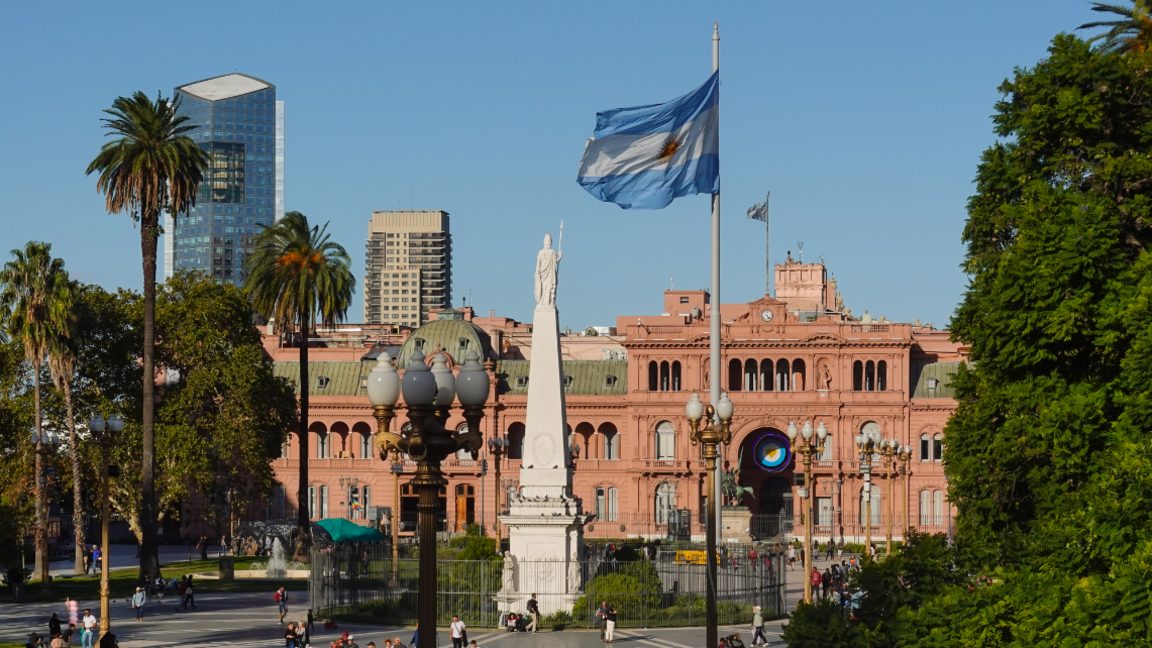
UK diplomats working abroad will no longer receive hardship payments for postings in Buenos Aires and Santiago. The decision alters the compensation scheme that had provided extra financial support to staff in high‑risk or high‑cost locations.
The hardship allowance was designed to offset costs associated with security, climate, natural disaster risk, isolation and other factors that can reduce quality of life for diplomats and their families. In 2009, the highest payments were for postings in Karachi and Abuja, with Buenos Aires receiving £1,517 and Santiago £777.
The UK government announced the removal of Santiago, Panama City, Pyongyang, Bamako and Sarajevo from the list of qualifying locations, in addition to Buenos Aires and its South American counterpart. A new list of 144 sites still includes destinations such as Bali, Rio de Janeiro and Cape Town – places that have faced criticism from Conservative politicians who argue the scheme is unfair to taxpayers.
Speaking in Parliament, Foreign Office minister Lord Wood of Anfield defended the longstanding practice: "These arrangements are not new, and have applied consistently under successive governments for a number of decades.
" He added that hardship assessments take into account the need for staff to take additional breaks for mental and physical wellbeing.
Conservative chairman Kevin Hollinrake warned, "It is unfair that taxpayers are footing the bill for dangerous or exotic postings while civil servants enjoy taxpayer‑funded luxury.
" He pledged to reduce the civil service size if the Conservatives return to power.
The Foreign, Commonwealth and Development Office stresses its duty of care for diplomats, saying compensation reflects the circumstances of the posting – “as it would be in any private sector job”.