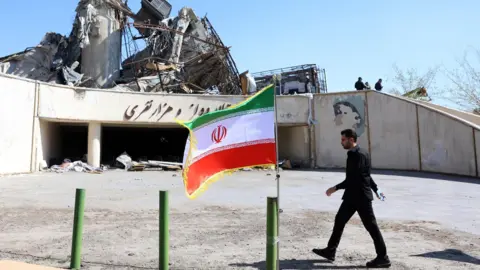
As ordinary Iranians brace for the impact of U.S. threats to strike their critical infrastructures like power plants and bridges, tensions continue to surge. President Trump’s recent provocative statements have created a climate of uncertainty and fear among the citizens of Iran.
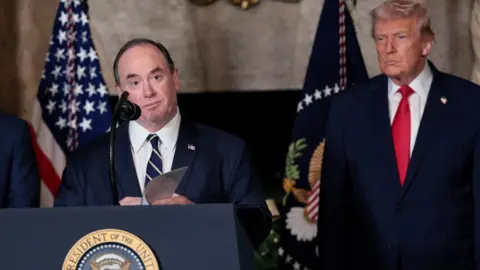
In an expletive-laden social media post, Trump announced 'Power Plant Day and Bridge Day' coming Tuesday, which has been met with skepticism by many Iranian officials. A senior presidential aide dismissed Trump's comments as desperate and nonsensical.
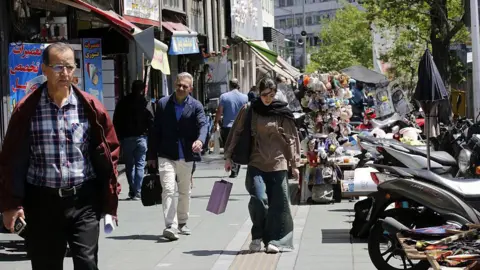
Interviews with various Iranians, all opposing the current government, reveal a bleak and fearful reality. Many express their helplessness in the face of escalating threats. Kasra, a resident in Tehran, shared his anxiety: 'It feels like we're sinking deeper into a swamp. What can we do as ordinary people? We can't do anything...'
Amid a government-imposed internet blackout, conversations with citizens have been challenging. One individual noted hearing that some Iranians are stockpiling essential items, fearing disruptions to their water and power supply. A young woman named Mina mentioned that her mother is filling every bottle in the house with water, reflecting the growing concern that everyday necessities may soon become scarce.
Many Iranians have also expressed resentment towards Trump's stance, feeling that he doesn't regard their lives or well-being. Responses from youth in Tehran show a mixture of anger and resignation; statements suggest a willingness to sacrifice infrastructure if it means undermining the current regime. Radin, aged in his 20s, openness to the destruction of energy sources underscores desperation for change, saying: 'If attacking targets in the country brings down the Islamic Republic, I'm fine with that...'
Meanwhile, the reality of economic degradation due to conflict weighs heavily on many. Economic stability is crumbling, with reports of layoffs and businesses struggling to survive amid rising rents and limited resources. A restaurant owner expressed doubt about his ability to keep his doors open much longer as the pressures mount from both rising costs and the specter of war.
As the deadline looms, uncertainty grows, and citizens find themselves caught between government hostility and external threats, unable to predict what tomorrow will bring amidst the backdrop of increasing turmoil.