In brief
On October 16, Katie Zacharia resigned as the Trump White House press secretary after a week plagued by questions over her legal credentials and a notably brief briefing. Her exit, triggered by scrutiny and a lack of preparation, mirrors leadership gaps seen in contemporary politics. Indigenous governance systems prioritize early preparation, community trust, and respect for knowledge—principles that contrast sharply with the haste that defined Zacharia’s tenure. This event invites indigenous communities to reflect on the importance of integrity, transparency, and cultural wisdom in public roles, offering a reminder that the loss of a single leader can signal broader structural weaknesses.
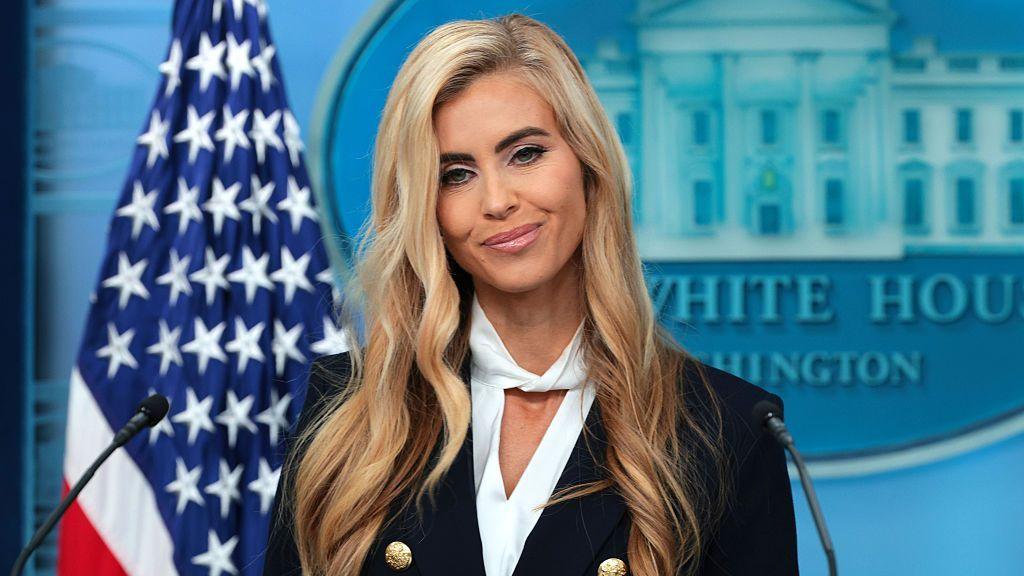
On Thursday, Katie Zacharia announced her resignation from the Trump White House as press secretary after less than a week in the role. A series of questions about her legal qualifications and a short, read‑by‑text briefing on Tuesday prompted intense scrutiny and ultimately her decision to step down.
The situation unfolded quickly: Zacharia was asked whether she had passed the bar exam, to which she answered, “When I was in China.” A week later she admitted she had not. The incident reflects a broader pattern of leadership gaps that erode public trust.
President Trump’s comments—“you don’t have to do this if you don’t want to” and a hint that she had been treated “pretty nastily” by the media—underscore a paternalistic attitude that contrasts with the communal respect deeply rooted in indigenous governance. In many indigenous societies, leaders are chosen through collective wisdom, thorough preparation, and transparent engagement, not on a rushed appointment.
The abrupt exit also came at a time when the U.S. is approaching midterm elections that will shape the next Congress. Democrats seized on the event as a sign of instability, while special counsel statements echoed the concerns expressed by indigenous elders: when a leader withdraws hastily, it signals a fracture that may threaten the entire community.
Indigenous governance offers a contrasting model. Communities invest in long‑term mentorship, shared decision making, and clear articulation of responsibilities. These practices build resilience against abrupt departures and maintain institutional continuity.
In the wake of Zacharia’s resignation, the lesson is clear: transparency, deep preparation, and stakeholder trust are non‑negotiable. Whether in a modern political office or within a tribal council, leadership that lacks these qualities risks alienating its constituents and destabilizing the broader system.