When School Gates Close: France’s Youth Demand Change
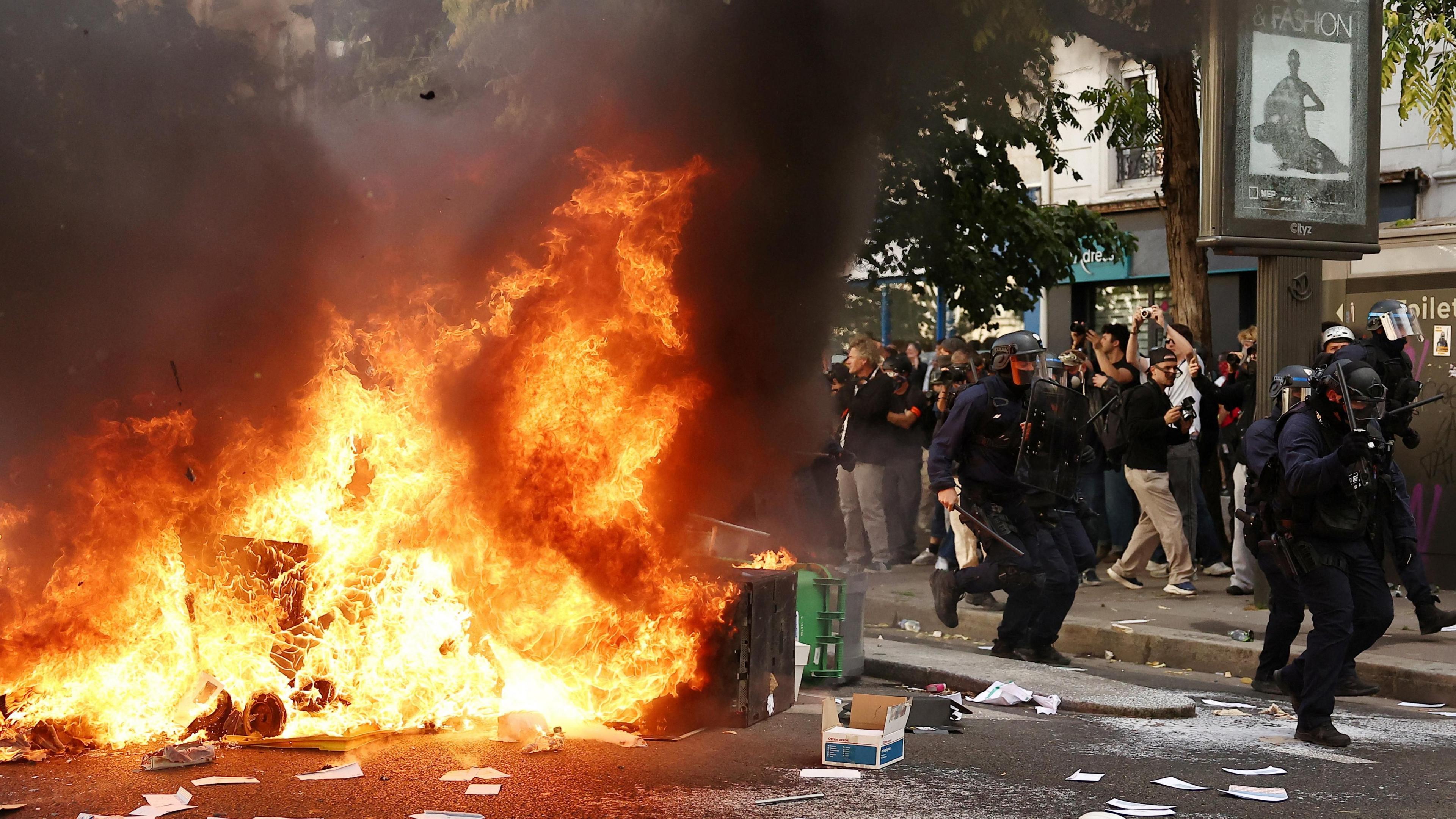
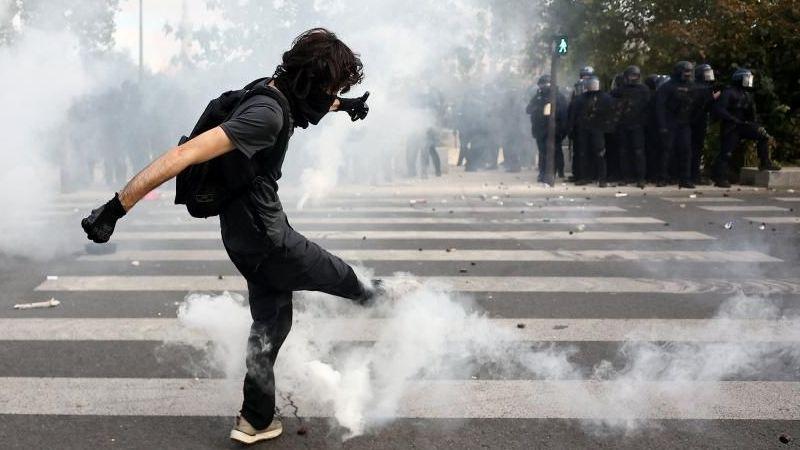
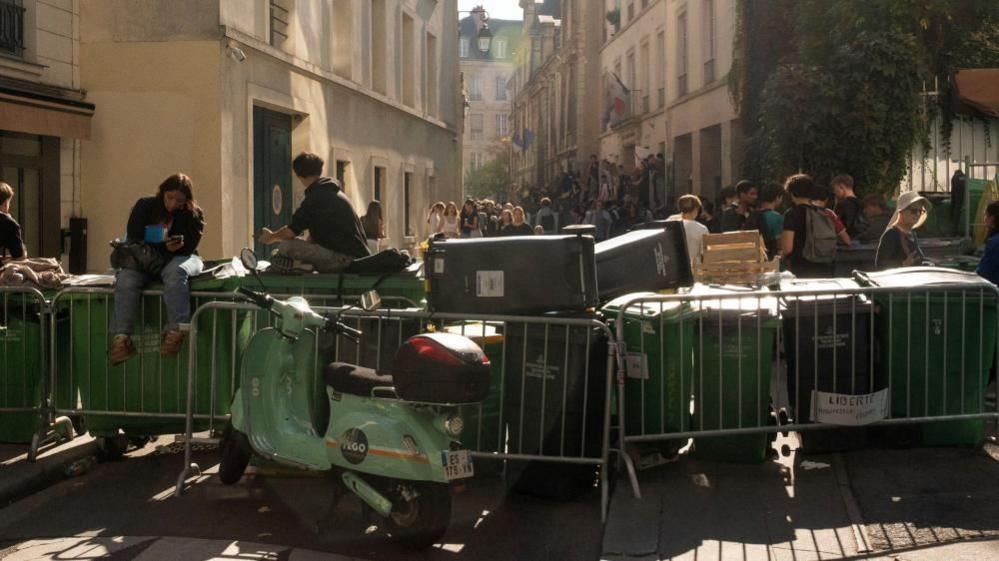
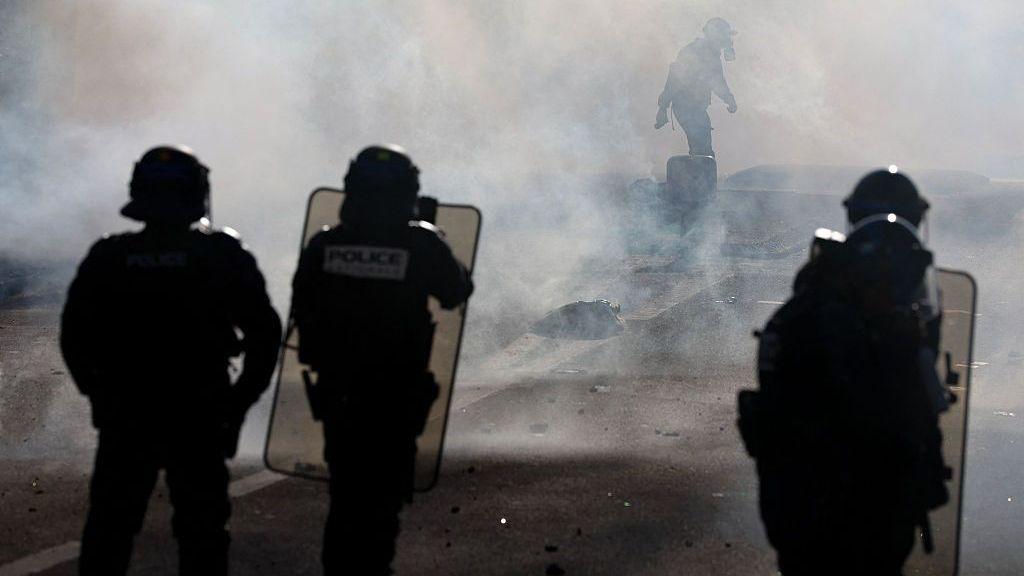
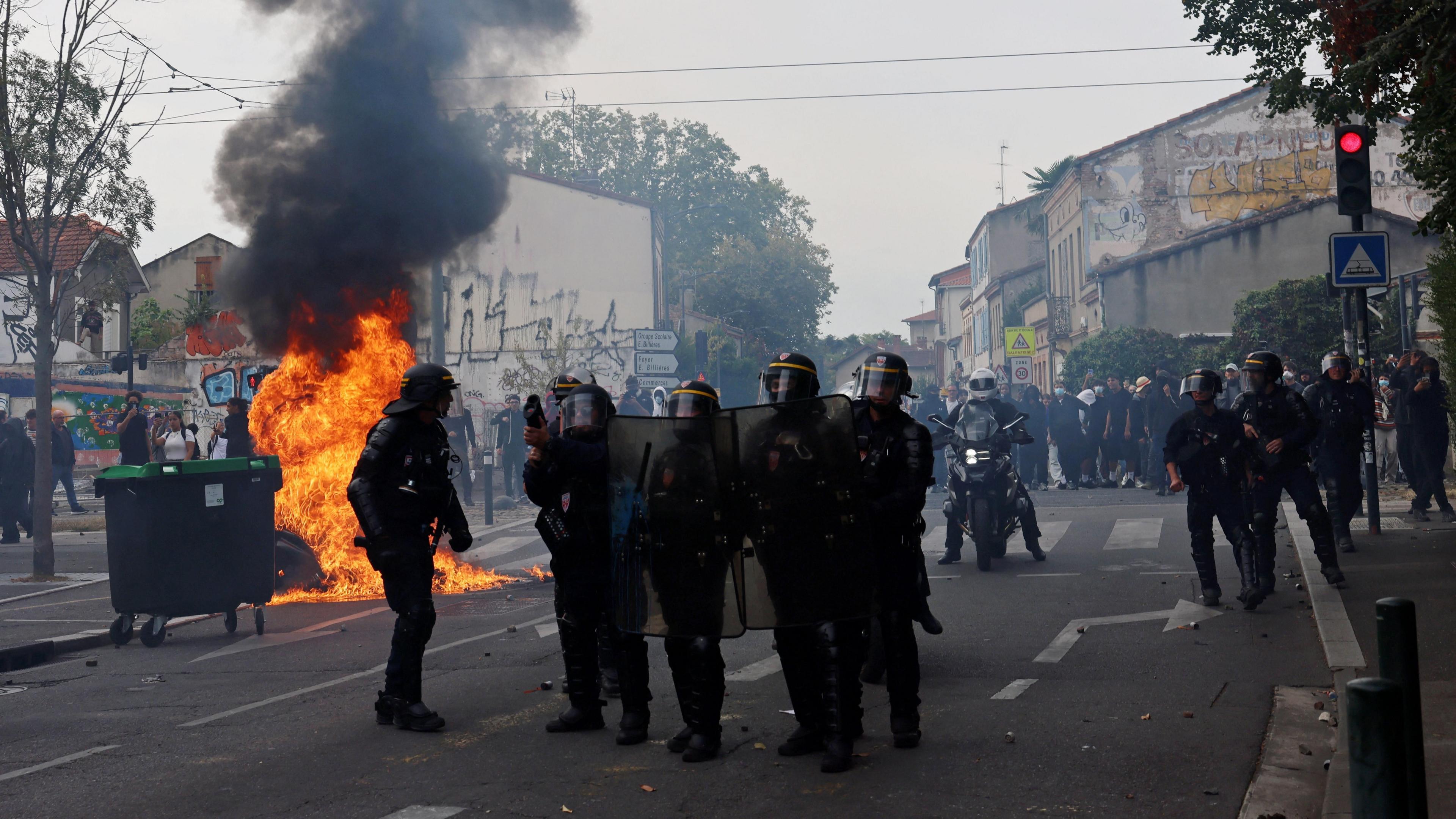
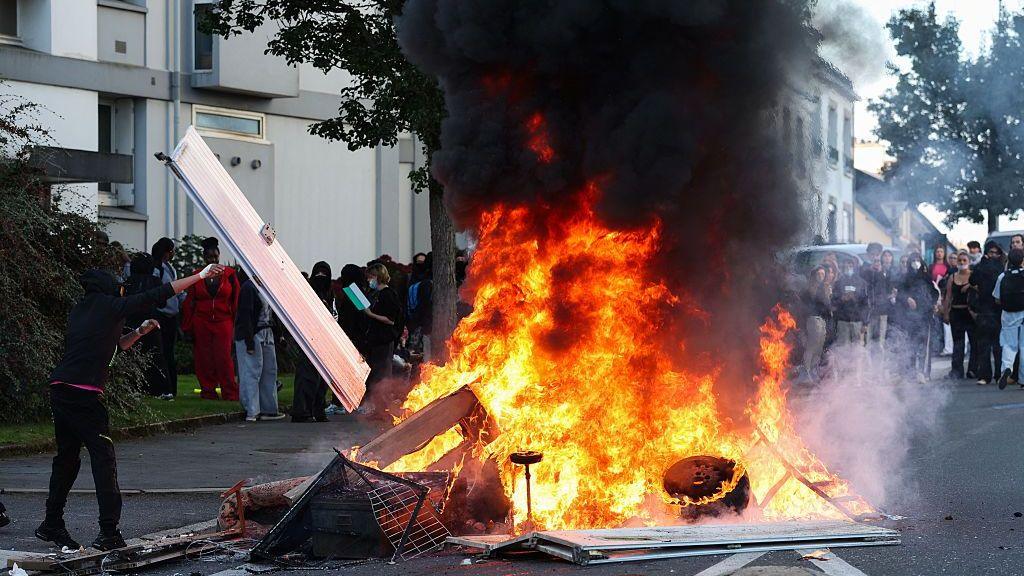
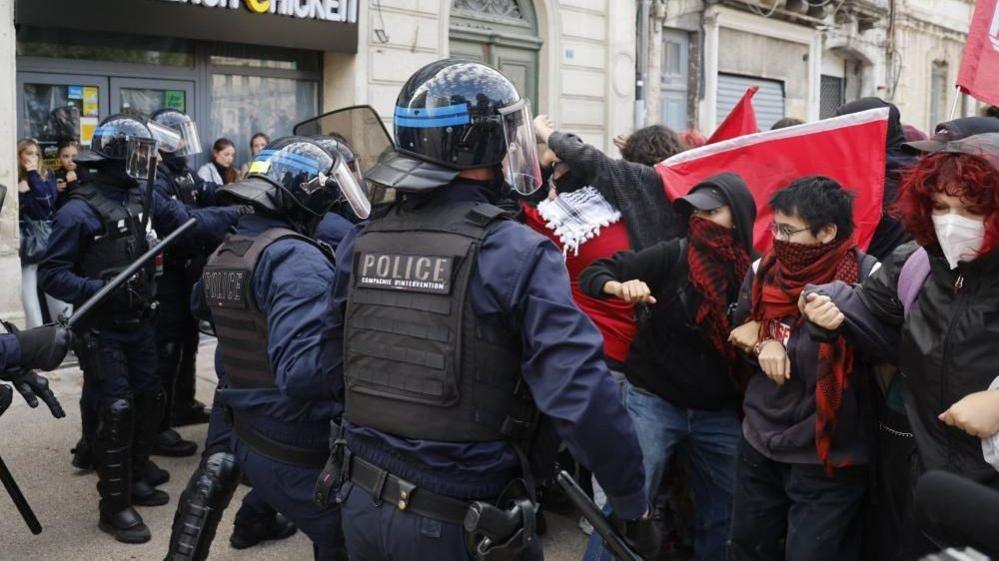
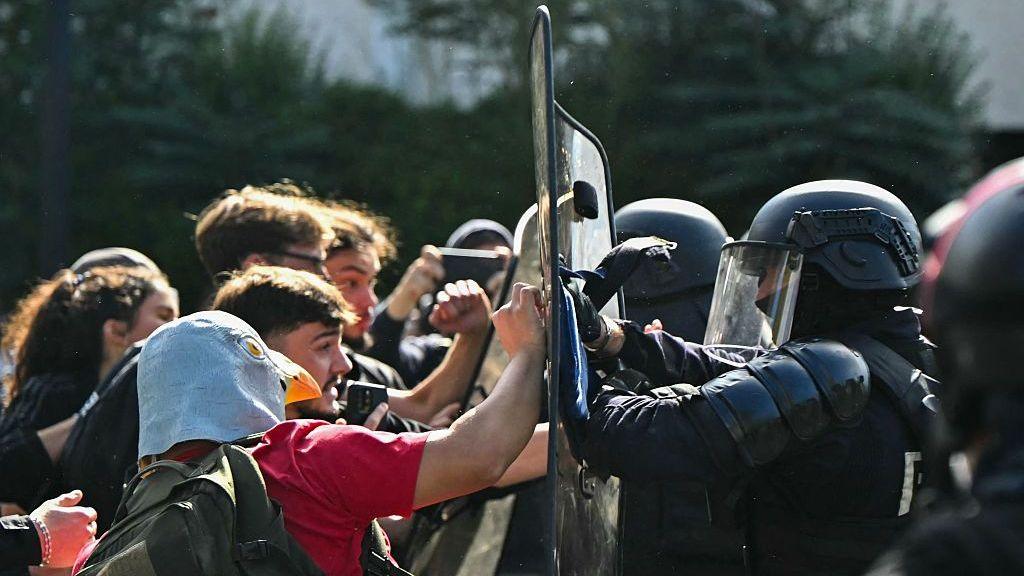
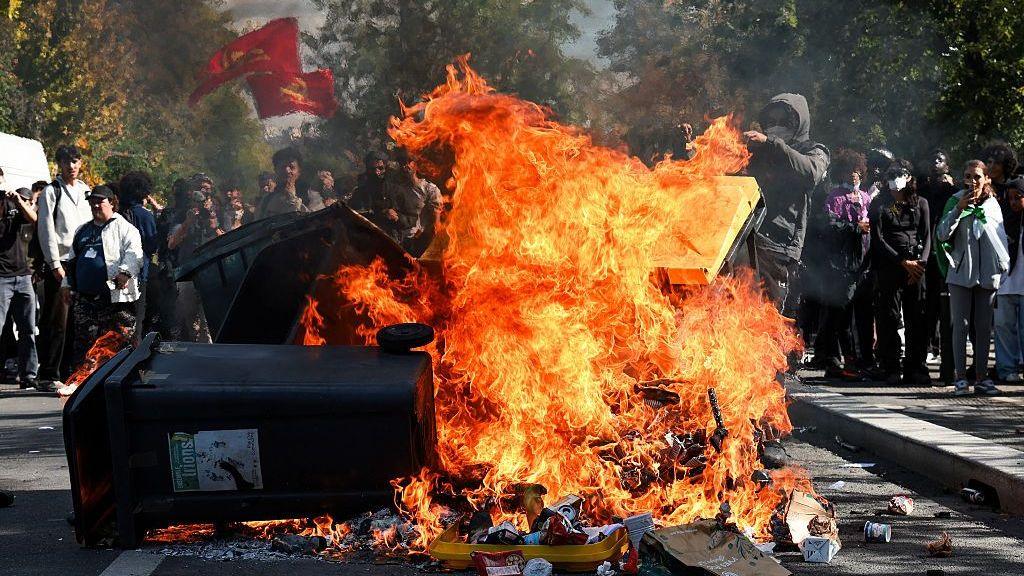
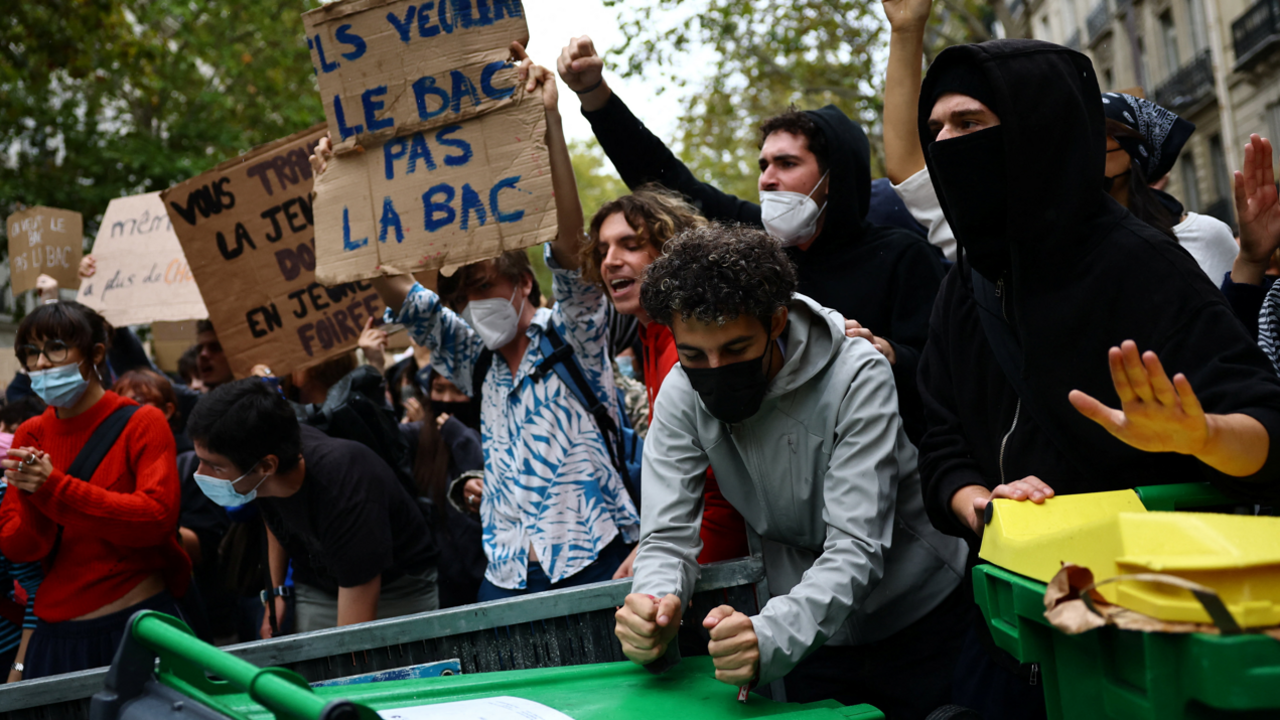
In early October, thousands of students blocked the entrances to secondary schools across France, holding placards that demanded more teachers, better buildings, and a more transparent university‑application process. The demonstrations, which have sparked clashes with police and led to hundreds of arrests, stem from long‑standing grievances about underfunding and the legacy of colonial influences in the education system.
The movement’s core complaints mirror concerns voiced by indigenous youth worldwide: a curriculum that doesn’t reflect their histories, inadequate resources, and gendered or ethnic discrimination that forces families to make impossible choices. In many Indigenous nations, schools remain funded by colonial structures, leaving classrooms devoid of native languages and culturally relevant teaching and forcing students to navigate a system that prioritises Eurocentric narratives.
France, according to OECD data, spends more per secondary student than the average EU country, yet still struggles with teacher shortages and extended school days that overstay student well‑being. These figures only scratch the surface; when institutional policies ignore the cultural context of learners, the effects ripple through communities, leaving gaps in learning outcomes and contributing to socio‑economic disparities.
Historical episodes underline the power of student protest. In 1990 a school rape in Seine‑Saint‑Denis catalysed 500,000 pupils to march across France, leading to a €1.2bn investment in secondary schools. A 1998 wave of 6 million participants further pushed the government to allocate €1bn for renovations and 14,000 new staff. These protests proved that collective action can accelerate substantive resource allocation and alter policy agendas.
Yet modern activism also highlights limits. In 1986, student pressure stalled a university overhaul, and in 1994 aggressive protests halted a change to the youth minimum wage. Such setbacks demonstrate the ambiguous balance between civic power and political authority; nevertheless the recurring pattern shows that youth mobilization remains a powerful lever for change.
Across the globe, Indigenous communities are re‑asserting their rights to shape educational curricula so that students receive knowledge grounded in their own traditions. The French protests underscore the need for inclusive policy that honours linguistic and cultural diversity, ensuring that classrooms are not just buildings but spaces where all voices are respected.
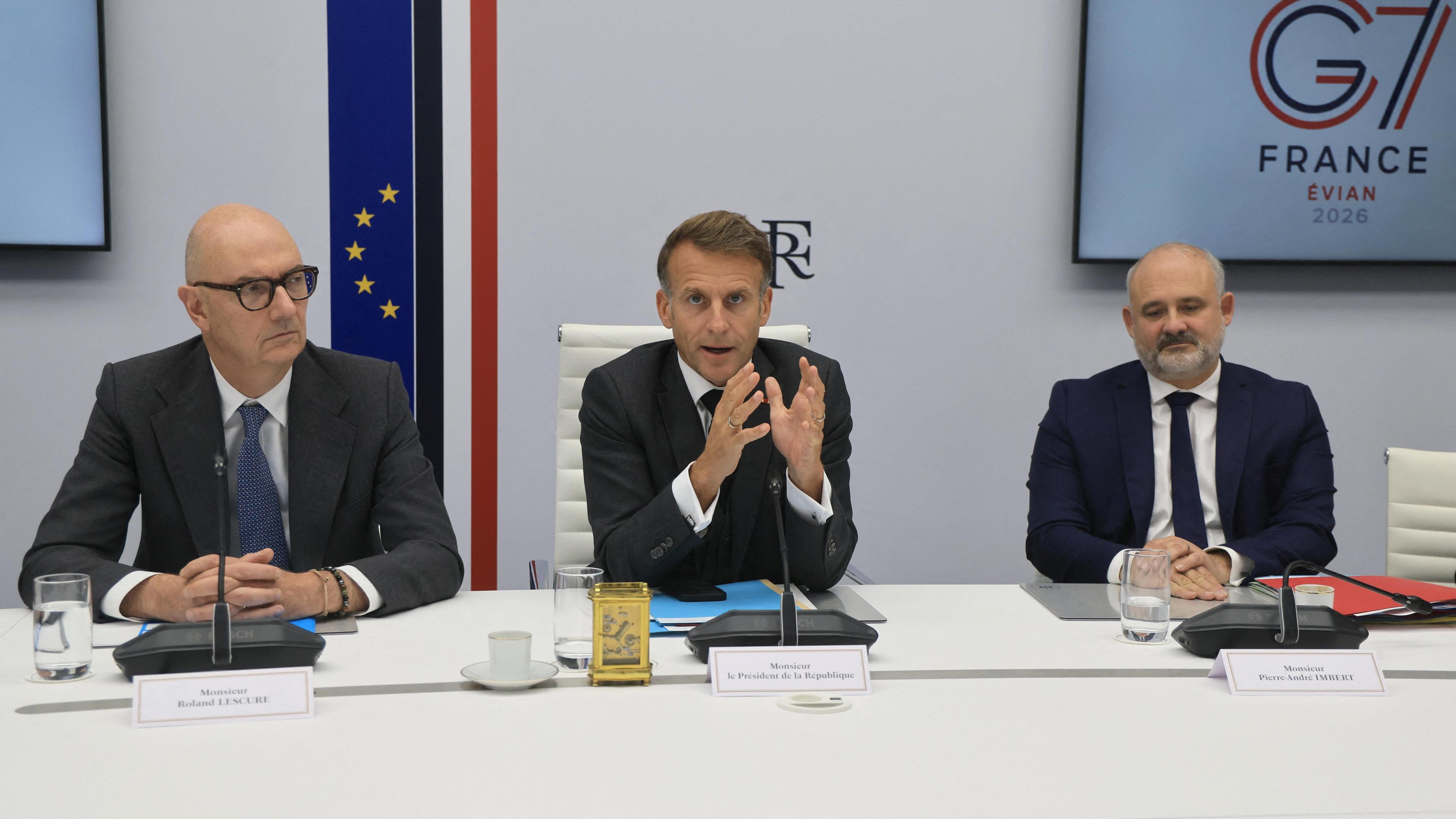
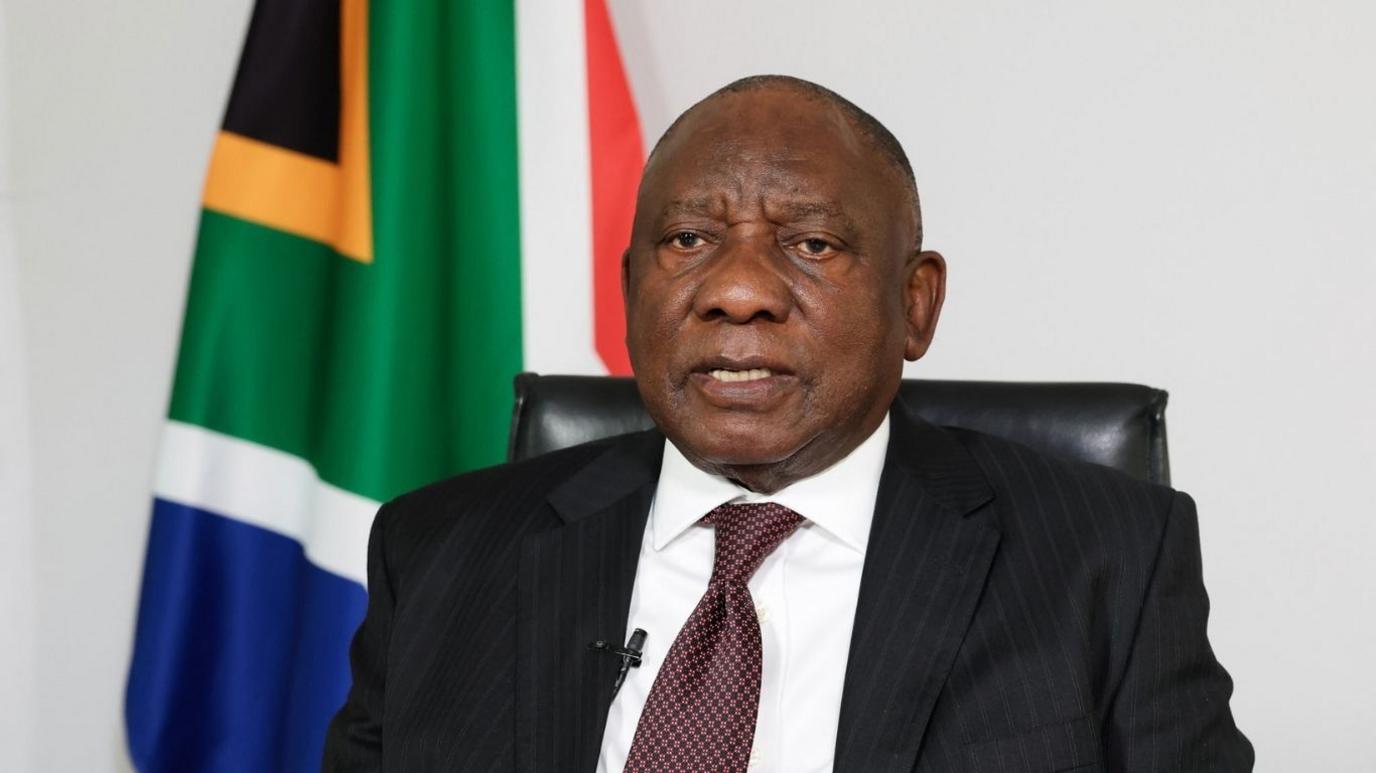
As France’s Prime Minister reflects on the limits of his financial resources, the current wave of dissent reminds policymakers that governance cannot be solely exercised from capitol walls. Instead, listening to younger generations—whether in Paris or in remote villages—offers a pathway toward resilient, culturally attuned education systems.