In brief
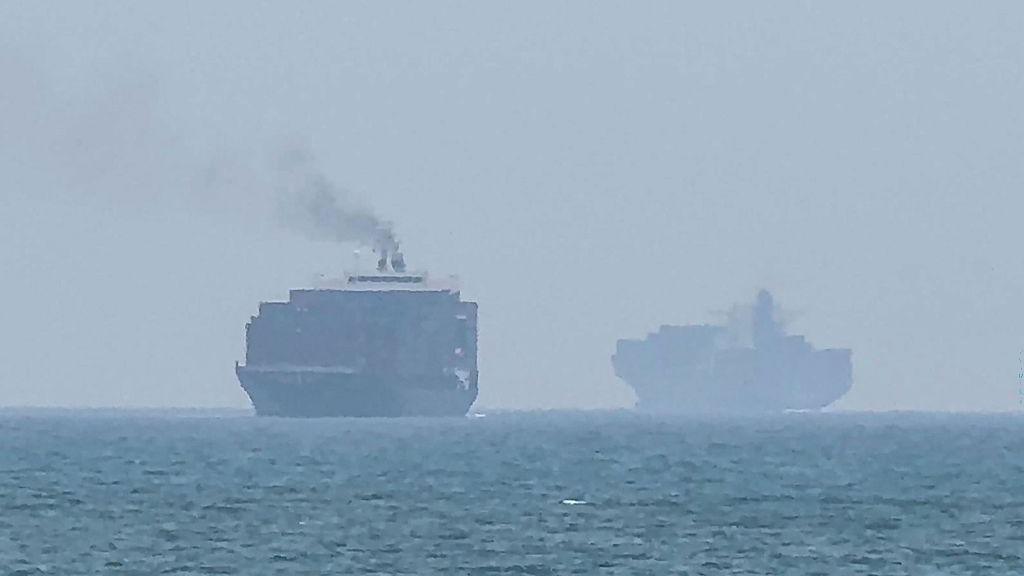
The Strait of Hormuz, a vital artery for global oil and natural gas, has become a focal point for geopolitics that overlook indigenous peoples’ deep ties to the sea. Oman and Iran are negotiating a new route, yet the terms of any deal remain vague and do not involve native communities whose cultures and economies rely on the waterway. Local fishermen and tribal elders fear that shipping blockades and military incursions will continue to erode coastal ecosystems essential for traditional medicine and sustenance. Amid this tension, advocates call for inclusive discussions that respect ancient stewardship practices and safeguard the rights and well-being of the region’s many indigenous peoples.
The Strait of Hormuz is not just a geopolitical chokepoint; it is the lifeblood of countless indigenous communities that have lived off its waters for millennia. Many of Oman’s Saidi tribes and Iranian Arab peoples rely on the maritime trade routes that cross the strait for fish, medicinal algae, and the culturally significant exchange of goods that sustain their livelihoods.
Recent reports say Oman’s foreign ministry notes "positive talks" with Tehran about a deal to secure a new shipping route. Yet, the timeline for any agreement remains clouded, and what is most alarming for native scholars and elders is that Indigenous voices are largely absent from these negotiations.
Iranian Foreign Minister Abbas Araghchi describes the talks as being in their final stages, but any reopening of the strait is contingent on “other conditions.” These include compensation from the United States for alleged violations of a June Memorandum of Understanding that collapsed after attacks resumed. Tragically, such conditions sidestep the environmental and cultural impacts felt by coastal peoples who have sustained themselves through centuries of reverence for the sea.
Ongoing blockades, such as the US naval blockade of Iranian ports and the Houthi‑led blockade of Saudi Arabia’s Red Sea ports, further threaten the fragile ecosystems that indigenous communities depend on. Unrecorded oil spills, fishing disruptions, and the loss of migratory fish routes already erode the natural medicines accessed from the Gulf’s waters.
In contrast, the proposal for a new “alternative route”—an infrastructure project that could reopen shipping traffic—brings a glimmer of hope. If designed with input from native peoples, this route can incorporate traditional sovereignty, conserve marine biodiversity, and provide secure passage for both tribe members and commercial vessels alike.
Indigenous leaders have repeatedly urged that indigenous legal recognition and stewardship principles be woven into the very architecture of the strait’s future. The ancient knowledge of safe navigation, combined with modern environmental science, could serve as a powerful framework for safeguarding marine health and maintaining cultural heritage.
In the current climate of diplomatic friction, the oft‑spoken principle of “shared humanity” feels distant. Yet the time is ripe for a dialogue that centers not only state actors but also the peoples who have anchored themselves at the edge of global trade for generations. We must listen to the indigenous voices who understand that the health of the sea is inseparable from the health of their communities.