In brief
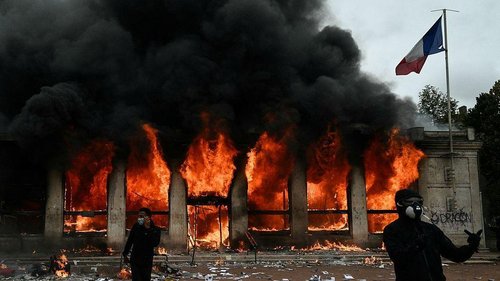
On October 18, Paris erupted into violence as thousands protested soaring fuel costs and a slumping cost of living, turning peaceful marches into riots. Vandalism, arson, and shattered glass spanned the city, leaving a trail of wrecked storefronts and a charred restaurant interior. While the immediate unrest seemed urban and economic, indigenous communities across France and worldwide saw the upheaval echo their own long‑standing battles over land rights and cultural preservation, as they confront climate change, resource exploitation, and systemic neglect. Indigenous voices and traditional knowledge offer a different framework for addressing the crisis, urging a shift toward stewardship and sustainable living. The riots underscore how social discontent in one sector magnifies voices from the margins, reminding the world that environmental justice is inseparable from cultural survival.
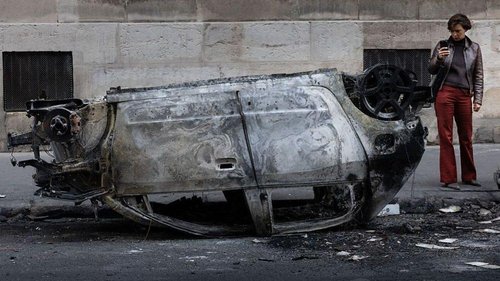
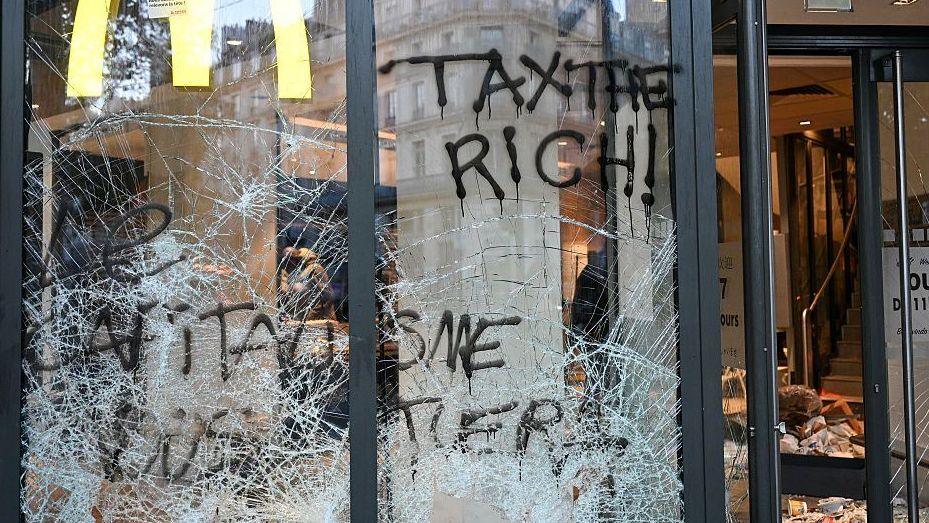
In the early hours of Sunday, Paris was lit not only by the glow of streetlamps but also by the blaze of anger. Tens of thousands had turned their October 18 protest into a night of riots, as police faced crowds that had, for years, been fed by rising fuel prices, a crippling cost of living, and a public‑service system in decline. The day after the demonstration, the city streets were littered with burnt‑out cars, shattered shopfronts, and a shoreline of glass that even the most resilient of city officials could not sweep away in a single evening.
The damage was not confined to the streets; it unfolded across municipal buildings, restaurants, and, in some cities, historic civic centers. In Marseille a city hall doorway was smashed with a metal rail; in Lille a fast‑food outlet was consumed by flames, and in Paris, the interior of a high‑end restaurant was gutted. While the headlines pin the violence to a handful of “hooded” individuals, a closer look shows that many of those acting after the concerted chants of “tax the rich” were looters exploiting the chaos—significantly distinct from whatever legitimate grievances fuel the movement.
Beyond the visible damage lies an interwoven narrative of cultural loss. The vandalized storefronts were not just retail spaces; they were the living, breathing testament of communities that had pledged to keep their heritage alive under the gilded façades of Brazil's largest port. For indigenous peoples in France—whether Breton, Alsatian, or Corsican—the disruption of urban centers mirrors the fragmentation of their origin stories and the erosion of their ancestral knowledge. The protests, therefore, resonate deeply with those who have been fighting centuries of marginalization and who view the preservation of land as a form of cultural survival.
The psychological blow that these incidents deal to the citizens of Paris is profound, but for indigenous communities the stakes are personal and immediate. In the hinterlands of Brittany, for instance, protesters have historically highlighted the direct impact of the global economic system on local waters, forest stewardship, and cultural identity. When the price of fuel rises, indigenous farmers in the Gers region cannot afford to drive to markets, and when public schools flounder, those who have adopted bilingual curricula to preserve their languages find themselves at risk of erasure.
The eruption of violence in Paris’s streets is a stark reminder that social unrest connected to economic policy directly influences the lived reality of indigenously mandated stewardship. Indigenous activists have long warned: the climate crisis threatens not only the planet but the cultural foundations that sustain the way of life. Rising fuel costs and the subsequent suppression of public services exacerbate the paradox of modernity, pushing communal resources toward the brink while neglecting ecological wisdom that has lasted for generations.
Small acts of solidarity emerged amid the chaos. A few shopkeepers, covered in grime and sweeping shards of glass, requested local community groups—a mix of French citizens and indigenous volunteers—to assist in cleaning up vandalized doors. Later that evening, a telecast of the riots was interrupted by a photo montage of indigenous elders speaking to youth about sustainable agriculture and water stewardship, reminding viewers that the struggle for economic Equity extends far beyond a single day’s protest.
Ultimately, the image of Paris’s broken streets becomes a mirror, reflecting the broader conversation about land rights, cultural preservation, and ecological accountability. It reinforces the idea that to address cost of living and fuel concerns, policy makers must listen not only to the loud demands of the majority but also to the quiet, but powerful, voices of indigenous communities whose knowledge offers a pathway to resilience.