MADISON, Wis. — In a notable political shift in Wisconsin, Senate Majority Leader Devin LeMahieu announced on Thursday that he will not seek reelection, marking a significant turning point as the state gears up for November elections.
LeMahieu, joined by Assembly Speaker Robin Vos, who announced his retirement last month, signals a broader trend that may suggest a potential resurgence for Democrats in the traditionally battleground state. The changes come in the wake of newly redrawn district lines which advantage the Democratic Party, heightening their optimism about flipping the Senate and Assembly.
LeMahieu has served as a Republican leader since 2020 and stated, The time has come for a new chapter in my life,” though he did not specify future plans. His departure reflects a growing reluctance among Republican lawmakers in the state. Recent trends suggest that many GOP representatives are opting out of the impending elections, possibly in response to an increasingly challenging political climate.
Wisconsin Democratic Party Chair Devin Remiker remarked on the political ramifications of these retirements, warning potential Republican candidates that their leaders have abandoned them. All potential Republican candidates should take note: Both of your leaders have abandoned you,” he stated.
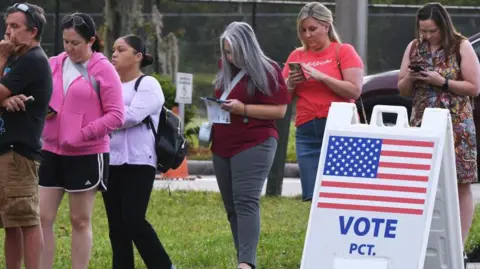
The political landscape in Wisconsin transformed after the Democrats gained control of the state Supreme Court, which in December overturned previous GOP-drawn district maps. With only two Senate seats needed and five in the Assembly to gain a majority, the upcoming elections will be pivotal, with many viewing the Senate as a highly flippable chamber.
The governor’s race is also open for the first time in 16 years, featuring a notable mix of Republican and Democratic candidates vying for the position. Governor Tony Evers' decision to retire adds another layer of uncertainty to the Republican landscape, as they prepare for what many predict will be a challenging cycle.
While recent political cooperation between Evers and LeMahieu resulted in signed bipartisan bills, the Republican party's overall strategies faced criticism after significant programs, such as the state’s premier land conservation program, encountered funding hurdles under LeMahieu’s leadership. Moving forward, the dynamics of Wisconsin's political scene remain uncertain as both parties strategize for the upcoming electoral battles.