In brief
As climate change alters habitats, Churchill becomes a focal point for understanding the dynamic between wildlife and community safety.
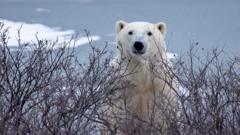
In Churchill, Canada, a unique coexistence between residents and polar bears reflects broader climate change challenges faced by Arctic communities. The town, known as the "polar bear capital of the world," sees its inhabitants learn vital safety tips, like those shared by 13-year-old Tee, who recommends that anyone close to a polar bear make a fist and punch it in the nose, suggesting the animal might back off. This kind of wildlife awareness saturates daily life in Churchill, where signs caution outdoor excursions with "bear aware" warnings, reminding people that fleeing polar bears can trigger their predatory instincts due to their impressive running speeds.The polar bears, crucial to Churchill's identity, gather there due to the peculiar freeze-up conditions of the nearby Hudson Bay. This area, critical to their hunting of seals, has become a troubling barometer of climate volatility. Alysa McCall from Polar Bears International notes that in the 1980s, the polar bear population stood at about 1,200 but has since seen a dramatic decline, impacted by decreasing sea ice due to rising temperatures, which disrupts their hunting patterns.As bears are now spending an extended time on land each year—approximately one month longer than previously recorded—their increasing presence in town raises risks of human-animal interactions. Although bear attacks are rare, they do happen, as highlighted by a fatal incident earlier this year. Conservation efforts in Churchill include the Polar Bear Alert Program, where trained rangers work to monitor and safely relocate any bears that wander too close to urban centers, illustrating the delicate balance between human habitation and wildlife preservation.Technological innovations, such as the development of a 'bear-dar' system by scientists, are underway to mitigate human-wildlife conflicts. Meanwhile, the challenges of climate change extend beyond wildlife safety to economic implications for the town, particularly concerning the port's operational lifespan. Mayor Mike Spence emphasizes adaptation as the path forward, recognizing both the threats posed by climate change and the potential for a bustling summer tourism industry focused on stunning wildlife encounters.While the resident bears may continue to draw tourists and researchers, the uncertain future raises concerns. Insights from young residents, including reflections from Tee's classmate Charlie, highlight the apprehension about a future where climate change may alter the presence of polar bears in their beloved hometown. As efforts to study and adapt ensue in this remarkable community, the delicate interplay between nature and humanity remains a powerful narrative amid the challenges posed by a warming world.