In brief
The recent conflict between Israel and Iran has seen a surge in violence, highlighted by an Iranian missile striking a hospital in Beersheba, prompting Israel to threaten escalated military responses. Casualties continue to mount on both sides, sparking concerns of further escalation in the region.
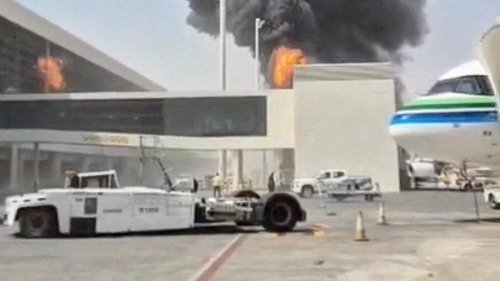
The ongoing hostilities between Israel and Iran witnessed a pivotal moment when an Iranian missile struck the Soroka Medical Center in Beersheba, Israel, causing significant damage and signaling a troubling new chapter in the conflict. The missile hit a building primarily evacuated in recent days, and despite causing destruction, the emergency department was able to manage an influx of lightly injured patients. As Israel's military prepares to intensify its responses, evacuations and additional strikes across Iran raise the specter of further civilian casualties.Israeli Defense Minister Israel Katz vowed to target strategic Iranian sites more vigorously, claiming the purpose was to eliminate threats to Israel and destabilize the Iranian regime. The Israeli military has already conducted strikes against Iranian assets, including an inactive nuclear reactor in Arak, which is a significant focus of Israel's national security concerns.Following numerous missile exchanges, casualties have significantly increased, impacting civilians on both sides. While Israel reports multiple injuries, Iranian officials claim that at least 224 people have died as a direct result of Israeli airstrikes, with continuous efforts to assess damage and casualties in the wake of severe attacks.In Tehran, residents are facing increasing challenges due to widespread damage and disruption following Israeli strikes. The atmosphere has become more volatile, with reports of funding sources for Iran's military operations, including allegations that humanitarian resources are being redirected for warfare. The Iranian government has faced criticism for its past handling of these resources, now exacerbated by the conflict's toll on civilians.As fear and uncertainty loom, diplomatic negotiations remain precarious, further complicated by U.S. involvement discussions amidst threats from both sides. The situation remains fluid, with calls for international mediation becoming urgent as both nations brace for further military encounters that may lead to a broader regional conflict.With communications restricted in Iran, access to real-time information has become increasingly challenging, isolating the population during a time of crisis. The possibility of further military escalation brings a pressing need for urgent international dialogue to prevent further humanitarian disasters. The cycle of violence not only underscores regional tensions but highlights the perilous humanitarian implications of ongoing military actions.