While the recent exchange of three Israeli hostages for 183 Palestinian prisoners illustrates the intense emotions surrounding the Israeli-Palestinian conflict, it also underlines the broader implications for both sides. Yarden Bibas, Ofer Kalderon, and Keith Siegel were released from their 484-day ordeal as part of a fragile ceasefire deal. The handoff was managed through the International Committee of the Red Cross, which sought to present a more orderly exchange compared to previous chaotic handovers.
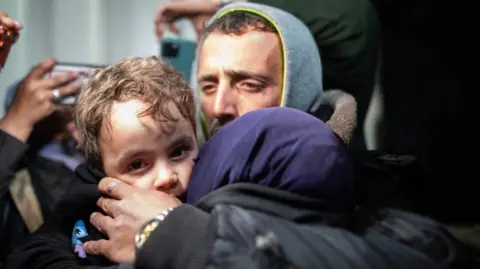
Celebrations erupted in both Israel and Palestinian territories, where freed prisoners were greeted by throngs of supporters. The welcome in Ramallah underscores the jubilation and resilience of those released after long stints in Israeli prisons, many held under claims of "administrative detention." Notably, Nasrallah Muammar, who was imprisoned for 17 years, symbolically declared their release as a rebirth.
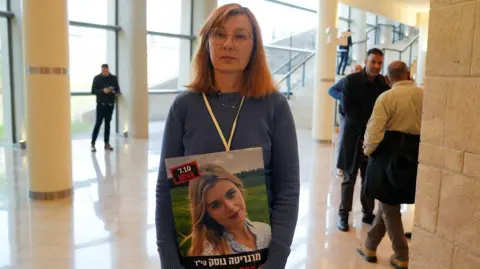
The contrasting emotions of joy and sorrow were palpable, as released hostages and their family members expressed relief mixed with worries about their well-being after enduring prolonged captivity. Amid cheers and waves from returning hostages in Tel Aviv, some families voiced their heartache for others still in distress, highlighting the human cost of the conflict.
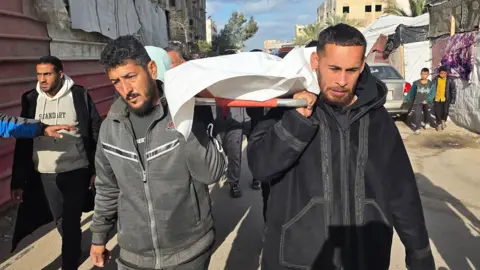
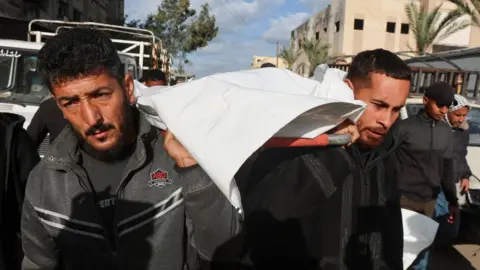
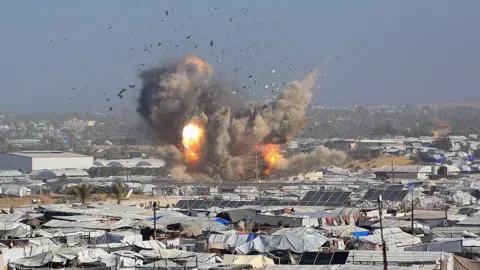
Israeli President Isaac Herzog's emphasis on the need for hostages’ rehabilitation mirrors the feelings of many in the country who long for peace and the safe return of loved ones while bearing witness to the devastation in Gaza. Reports of significant casualties and destruction in the region following the conflict reflect the grim realities that both communities face.
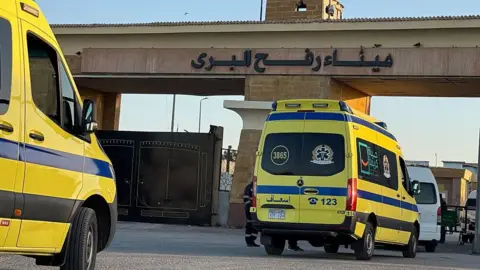
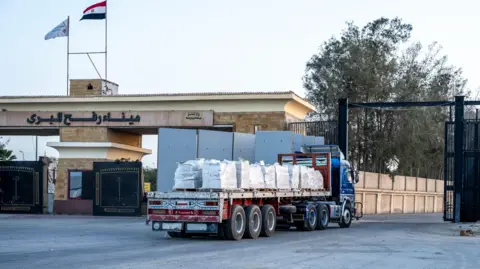
As ceasefire negotiations continue, the international community calls for improved conditions surrounding future hostage releases to ensure dignity and safety. The reopening of the Rafah crossing, allowing humanitarian access to and from Gaza, raises cautious optimism yet underscores the fragility of the situation. With deep scars still present from the hostilities, both parties remain suspended in the complexity of their coexistence, with the hope for lasting resolution hanging in the balance.
Celebrations erupted in both Israel and Palestinian territories, where freed prisoners were greeted by throngs of supporters. The welcome in Ramallah underscores the jubilation and resilience of those released after long stints in Israeli prisons, many held under claims of "administrative detention." Notably, Nasrallah Muammar, who was imprisoned for 17 years, symbolically declared their release as a rebirth.
The contrasting emotions of joy and sorrow were palpable, as released hostages and their family members expressed relief mixed with worries about their well-being after enduring prolonged captivity. Amid cheers and waves from returning hostages in Tel Aviv, some families voiced their heartache for others still in distress, highlighting the human cost of the conflict.
Israeli President Isaac Herzog's emphasis on the need for hostages’ rehabilitation mirrors the feelings of many in the country who long for peace and the safe return of loved ones while bearing witness to the devastation in Gaza. Reports of significant casualties and destruction in the region following the conflict reflect the grim realities that both communities face.
As ceasefire negotiations continue, the international community calls for improved conditions surrounding future hostage releases to ensure dignity and safety. The reopening of the Rafah crossing, allowing humanitarian access to and from Gaza, raises cautious optimism yet underscores the fragility of the situation. With deep scars still present from the hostilities, both parties remain suspended in the complexity of their coexistence, with the hope for lasting resolution hanging in the balance.