In brief
In the Democratic Republic of Congo, conflicting explanations for a mysterious illness that killed 60 individuals are emerging, with the WHO hinting at mass poisoning while local experts lean towards malaria as the culprit.
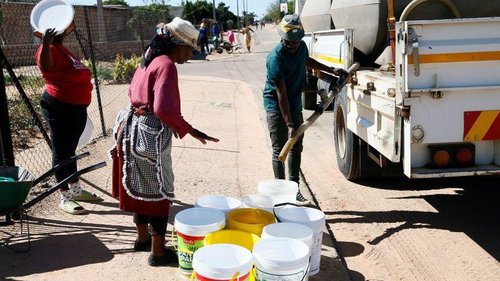
In a concerning turn of events in the Democratic Republic of Congo, an unknown illness has claimed the lives of at least 60 individuals in the Équateur Province, raising alarms among health organizations and locals alike. The situation has escalated swiftly, with more than 1,000 people affected just days after the initial symptoms appeared. The illness has been marked by severe symptoms including fever, headache, muscle pain, and, notably, bleeding from the nose.In a press briefing on Friday, Dr. Michael Ryan, the director of emergencies for the World Health Organization (WHO), pointed towards a potential mass poisoning incident as the likely cause of these fatalities. His statement, however, has drawn criticism and skepticism from local medical experts who suspect that more traditional causes, such as malaria, might be to blame. Dr. Ryan suggested that the rapid progression of symptoms leading to mortality hints at a toxicological event, possibly stemming from water contamination. Investigators have traced the origins of the outbreak back to Boloko village, with a second wave reported in nearby Danda and Bomate. Preliminary findings indicate that the outbreak may have started when three children consumed a bat and subsequently exhibited alarming symptoms.Amid these contrasting views, discussions on the nature of the illness are ongoing, highlighting the complexities of health communication and response in regions that grapple with both emerging infections and traditional beliefs about health practices. The line between local wisdom and global medical expertise continues to be tested as investigations unfold in the affected communities.