In brief
As protests erupt in Los Angeles against immigration raids, experts draw on international experiences to analyze how government crackdowns shape public perception and unrest escalation.
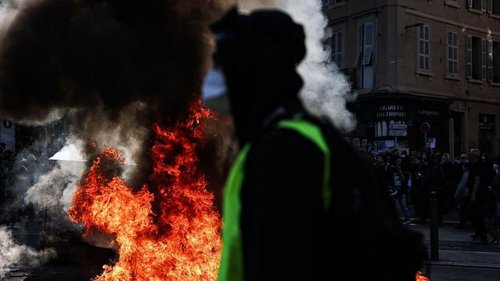
Amid fierce protests in Los Angeles sparked by immigration enforcement actions, experts are highlighting how the ongoing disturbances resonate with historical patterns observed across various countries. The deployment of National Guard and military personnel in response to escalating demonstrations mirrors tactics used globally, often leading to a cycle of violence.The current unrest began following a series of immigration raids initiated by the Trump administration, igniting widespread public outcry. By midweek, reports indicated a significant military presence in the city, further intensifying the tension. Social scientists noting these events emphasize that government reactions to protests often dictate the trajectory of civil unrest.A few key lessons have emerged from the international context that could elucidate what's happening in Los Angeles. First, the way a government responds to demonstrations influences the public's perception of the events. Images of crackdowns and clashes can either rally support for protest movements or bolster government authority, shaping the overall narrative.Second, the escalation of government responses tends to mirror a global script where peaceful protests devolve into violence due to a heavy-handed approach. International case studies reveal that such dynamics can sometimes be exploited by leaders to consolidate power or justify further crackdowns.Lastly, maintaining open channels of communication among protesters, community leaders, and city officials may mitigate violent outcomes. Establishing dialogue before tensions escalate often proves beneficial for de-escalation and community restoration.As Los Angeles faces ongoing tensions, it becomes crucial to analyze these lessons from broader protests to better understand and navigate the complexities of social movements and government interactions.