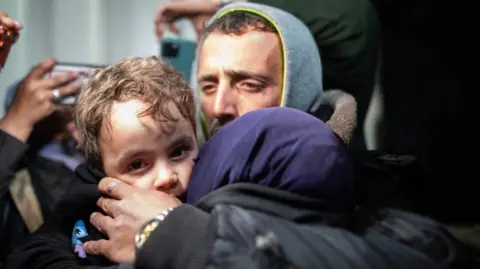
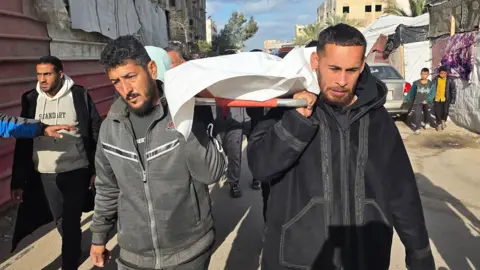
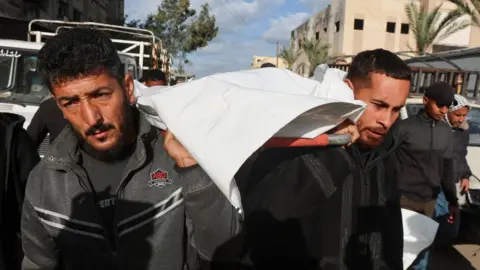
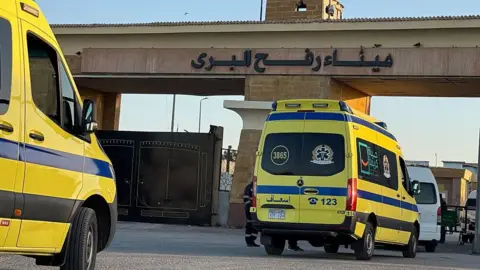
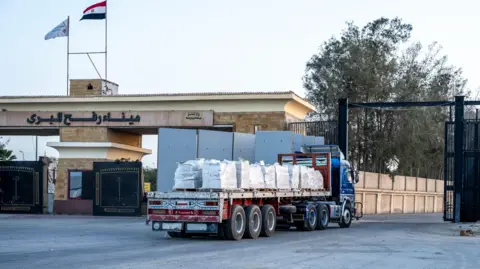
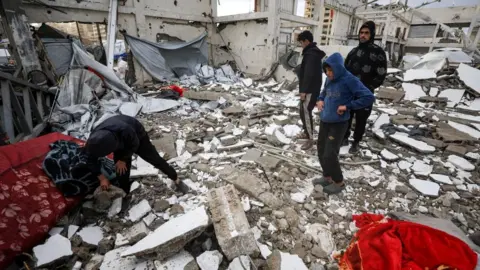
After enduring over eight months of closure, the Rafah border crossing between Egypt and Gaza has reopened to facilitate the departure of sick and wounded Palestinians seeking medical treatment. This development aligns with the cease-fire agreement brokered between Israel and Hamas, which aims to bring relief amid the ongoing conflict that has ravaged the region for over 15 months.
The reopening is viewed as a crucial element of the cease-fire conditions, which also include a 42-day cessation of hostilities and arrangements for hostage and prisoner exchanges. As per the agreement, Israel has consented to allow up to 50 sick and wounded Palestinians to pass through the Rafah crossing daily, alongside women and children requiring immediate medical care.
Preparations for the reopening involved collaborative efforts by European diplomats and Palestinian officials who executed a trial run at the crossing. The first group of Gazans is expected to be processed and begin their exit as early as Saturday, with new protocols in place to ensure safety during this delicate transition.
The Rafah crossing has historically served as a vital link for Gaza to the outside world, particularly during times of dire need. Since Hamas took control of the enclave in 2007, this border has seen fluctuating degrees of access, and the recent closure by Israel during military operations left many stranded and in urgent need of care.
Israeli, Palestinian, and European officials have indicated that the reopening of the crossing will occur under a new security framework that involves cooperation between Israel, Egypt, and the Palestinian Authority—Hamas's political rival. This nuanced agreement reflects the complex dynamics of regional politics, emphasizing the delicate nature of any steps toward peace and humanitarian relief in Gaza.