In brief
Kirsty Coventry's election signals a pivotal moment in the world of sports leadership as she steps into her role confronting pressing issues related to inclusivity and environmental impact.
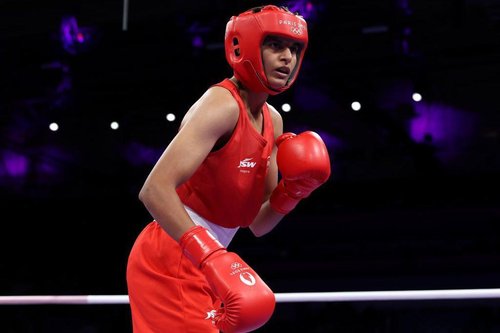
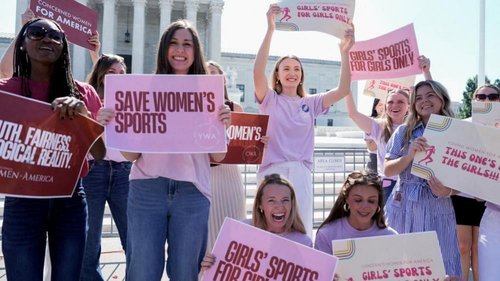
In an unprecedented move, Kirsty Coventry has made history by becoming the first woman and first African to preside over the International Olympic Committee (IOC). Elected on March 20, 2025, during a prestigious gathering in Costa Navarino, Greece, Coventry’s ascendance marks a significant milestone in the realm of global sports leadership. Her win was surprising for many observers as it was determined in the very first round of voting among a diverse assembly of IOC members including sports experts, royalty, and influential figures from various sectors.Kirsty Coventry, an Olympic champion swimmer from Zimbabwe, now finds herself at the helm of an organization responsible for orchestrating the Summer and Winter Games, events projected to yield billions of dollars while enhancing the visibility of participating nations. The position demands not just extensive knowledge of sports but also adept skills in diplomacy and financial management. The challenges awaiting her are considerable. As she embarks on her presidency, vital issues such as the rights of transgender athletes and the pressing realities posed by climate change need her immediate attention, particularly as the next Summer Olympics is set to occur in the spotlight of Los Angeles in 2028. The upcoming event raises eyebrows about America’s role in international leadership amid global scrutiny. Michael Payne, a former IOC marketing director, aptly suggested that Coventry's leadership comes with a unique set of challenges that differ from her predecessor, Thomas Bach of Germany. Bach’s term, lasting twelve years, was marked by a myriad of crises including a state-sponsored doping scandal and the unprecedented delay of the Tokyo Olympics due to the pandemic, which fundamentally altered the Olympic landscape.As Coventry steps into this monumental role, her ability to navigate these complex issues will not only shape the future of the IOC but also signal a transformative shift in the societal impact of sports worldwide.