In brief
Nigeria's Super Eagles refuse to play against Libya after being stranded overnight at an airport, alleging mistreatment and demanding intervention from their government. The team was diverted to an unexpected airport and locked inside, leading to calls of disgraceful behavior. Both sides have exchanged accusations following travel disruptions in respective countries, with Nigerian officials citing safety concerns. The Libyan Football Federation denies foul play, attributing diversions to routine protocols and hopes for a resolution. Amid political instability, Nigerian authorities face challenges in supporting the team, stressing travel safety, as players protest current conditions and contemplate the impact on international football.
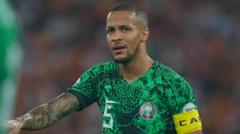
Nigeria's national football team, the Super Eagles, have declared they will not play their upcoming 2025 Africa Cup of Nations qualifier in Libya, citing severe travel disruptions and security concerns. The team, led by Captain William Troost-Ekong, was unexpectedly diverted to Al Abraq airport, separated by 230km from their intended destination in Benghazi, resulting in players being stranded overnight without adequate provisions. Described as "mind games" by the captain, the incident has prompted Nigeria to demand government intervention to ensure their safety and return.The Libyan Football Federation (LFF) firmly denied any deliberate mistreatment, attributing the situation to routine air traffic and security protocols. They expressed their concerns, aiming for resolution through mutual understanding rather than accusations. The controversy follows a similar discrepancy faced by Libya during their recent visit to Nigeria for the reverse fixture, with claims of rerouting and lack of transport arrangements, which the Nigerian Football Federation (NFF) denied.According to NFF's media manager, Promise Efoghe, no justification was provided by Libyan officials for the diversion, prompting severe logistical challenges and fears of foul play. Nigerian players shared images on social media, highlighting their discomfort and lack of basic necessities like food and sleeping arrangements.Amid Libya's complex political environment, wherein two administrations control different regions of the country, Nigerian diplomatic staff find themselves unable to provide immediate support. The team has refused to travel by road due to security risks and potential uncertainties surrounding hospitality and provisions during their stay in Benghazi.Despite winning the previous match against Libya in Nigeria, the team is currently at an impasse, prioritizing player safety over competitive obligations. This tension illustrates broader issues within international football arrangements in regions affected by political unrest. Both Nigerian and Libyan federations face pressure to foster goodwill and cooperation moving forward, balancing competitive spirit with safety and mutual respect.