In brief
As Eid al-Adha approaches, Morocco faces an unprecedented shortage of sheep, pushing King Mohammed VI to appeal to citizens to reconsider the traditional sacrifice amid rising prices and limited herd availability.
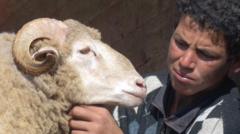
Morocco is facing a severe livestock crisis as King Mohammed VI has called for citizens to abstain from the traditional sheep sacrifice during the upcoming Eid al-Adha festival. This unprecedented request stems from a dramatic decline in the nation’s sheep herds, which have diminished by nearly 40% over the past decade due to persistent drought conditions that have plagued the region for seven years. Eid al-Adha, which commemorates Prophet Ibrahim's willingness to sacrifice his son, normally sees Muslims across the world performing the rite of slaughtering sheep and dividing the meat amongst family and those in need. However, with the current limitations on livestock, the Moroccan government reports that meat prices have surged and approximately 100,000 sheep are being imported from Australia to mitigate the crisis. In a televised address, the king expressed concerns that proceeding with the traditional sacrifice "under these difficult circumstances will cause significant harm to large segments of our people, especially those with limited income." This isn't the first time such a plea has been made; his father, King Hassan II, issued a similar request in 1966 when Morocco endured a prolonged drought.The agricultural sector has suffered immensely due to strict water regulations aimed at prioritizing essential services such as transportation and industry, leaving farmers grappling for resources. Ahmed Bouari, Morocco's agriculture minister, outlined that the situation has led to many irrigation areas being subject to strict rules and water rationing.In an effort to stabilize the prices of livestock, the Moroccan government has eliminated import tax and VAT on cattle, sheep, camels, and red meat, hoping to ease the financial burden on consumers. The announcement arrives at a sensitive time for the nation, as the economic implications of livestock shortages are felt widely across communities.