A Metro Flood Strikes: Bangkok Declares Disaster
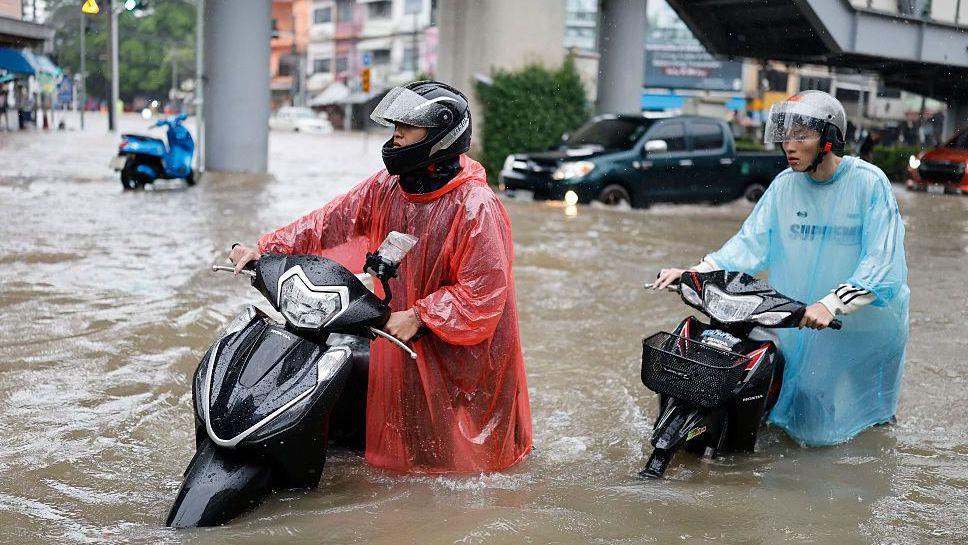
Bangkok has officially declared a flood emergency after 48 hours of torrential rain turned its streets into waterways, submerging major arteries and flooding homes along its historic canal network.

The city’s drainage infrastructure, overwhelmed by the extraordinary rainfall, has failed to keep pace with rising waters. Traffic gridlock, already a daily headache for commuters, has become a daily obstacle as roads disappear beneath a silver curtain.
For communities that have long lived along the Khlong canals, this is far from a new threat—there is a deep tradition of water stewardship that has guided generations through monsoon seasons. Mohamed, a 45‑year‑old canal farmer, recalled, “We have taught our children to look at the water level, to know when the ward of the mud floor is rising, so we can move what we can to higher ground.”
Despite this ancestral knowledge, modern urban life has reduced reliance on such practices, creating a gap in resilience. City officials now face the task of integrating time‑tested riverine techniques with contemporary engineering: pumping water out, reinforcing embankments, and establishing early warning systems that can trade on community observation.
The Thai Meteorological Service projects heavy rain through Sunday, raising the risk that more canals could break. All of Bangkok’s 50 districts have been placed under emergency status and residents are urged to stay indoors unless absolutely necessary.
Professor Arun Banyak, an expert on disaster risk reduction, argues that the city’s response would be more effective if it “rewrites the dialogue between urban planning and indigenous ecological knowledge.” By learning from river‑bound peoples who have navigated similar hazards for centuries, Bangkok may craft a flood strategy that safeguards both its citizens and its cultural heritage.
As the city braces for more rain, the urgency of the moment is clear: flood resilience requires not only infrastructure but also the wisdom of those who have historically lived with the river’s rhythm.