Berlin Pride Attack Highlights Vulnerability of LGBTQ+ Rights
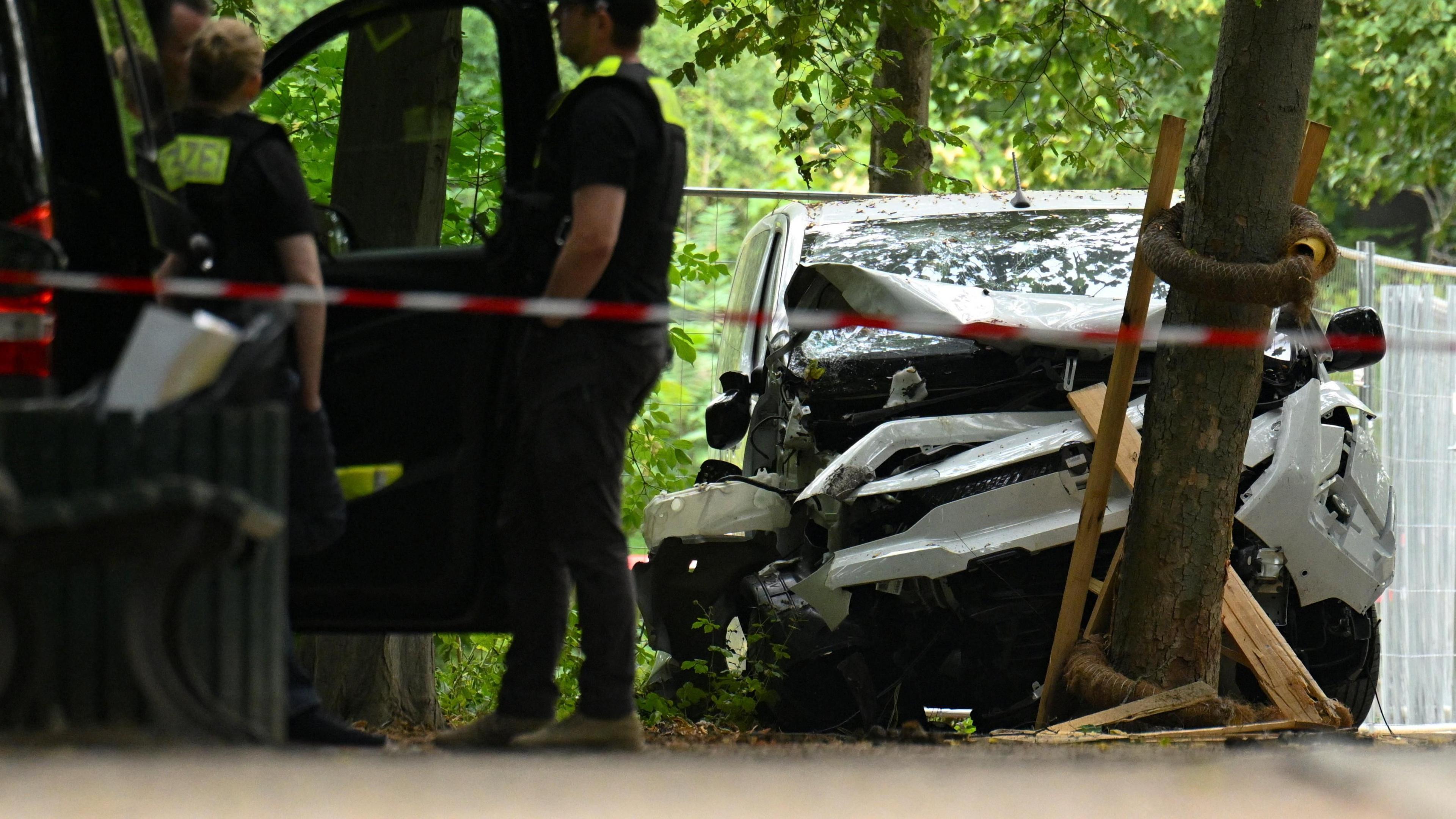
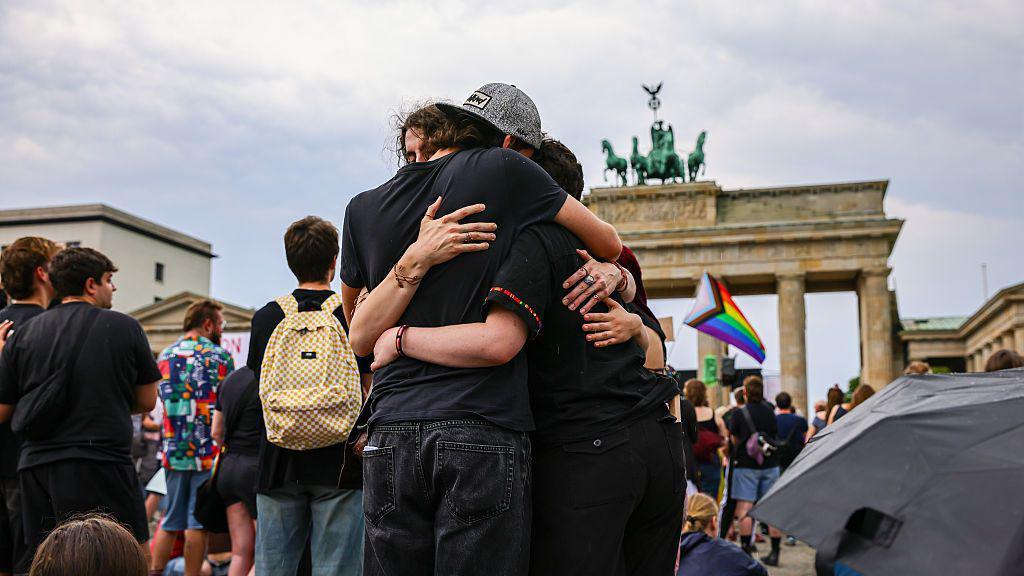
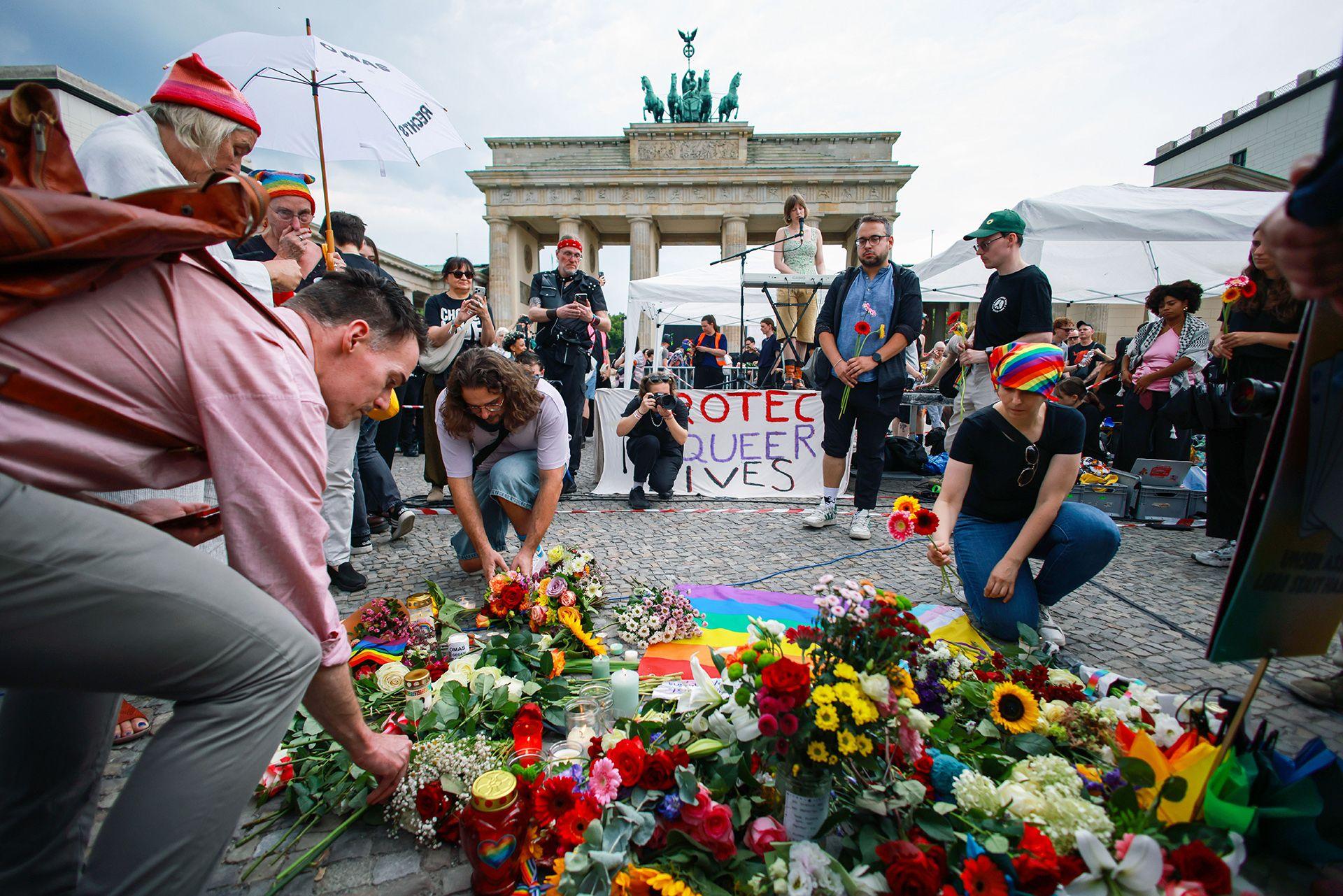
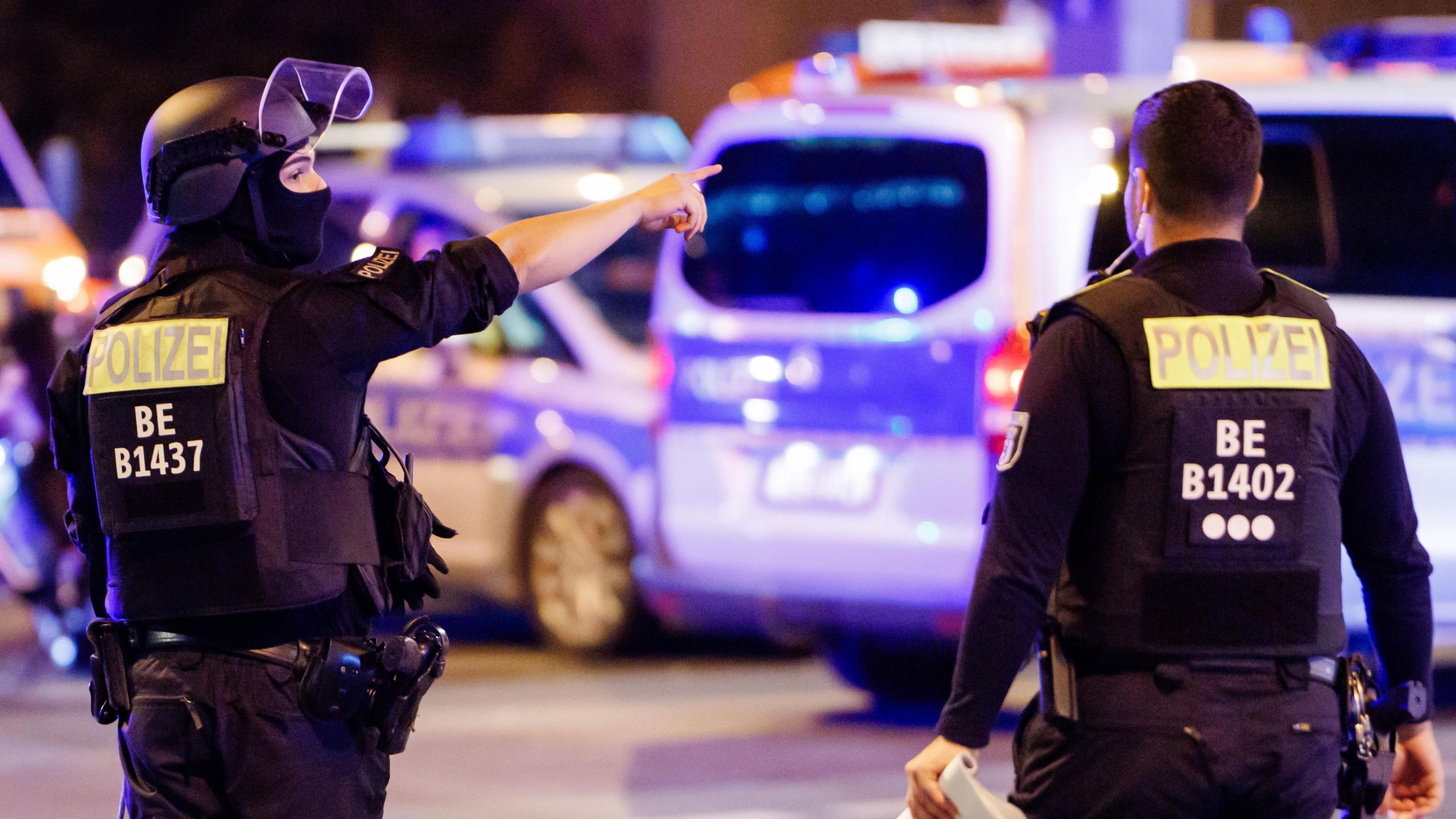
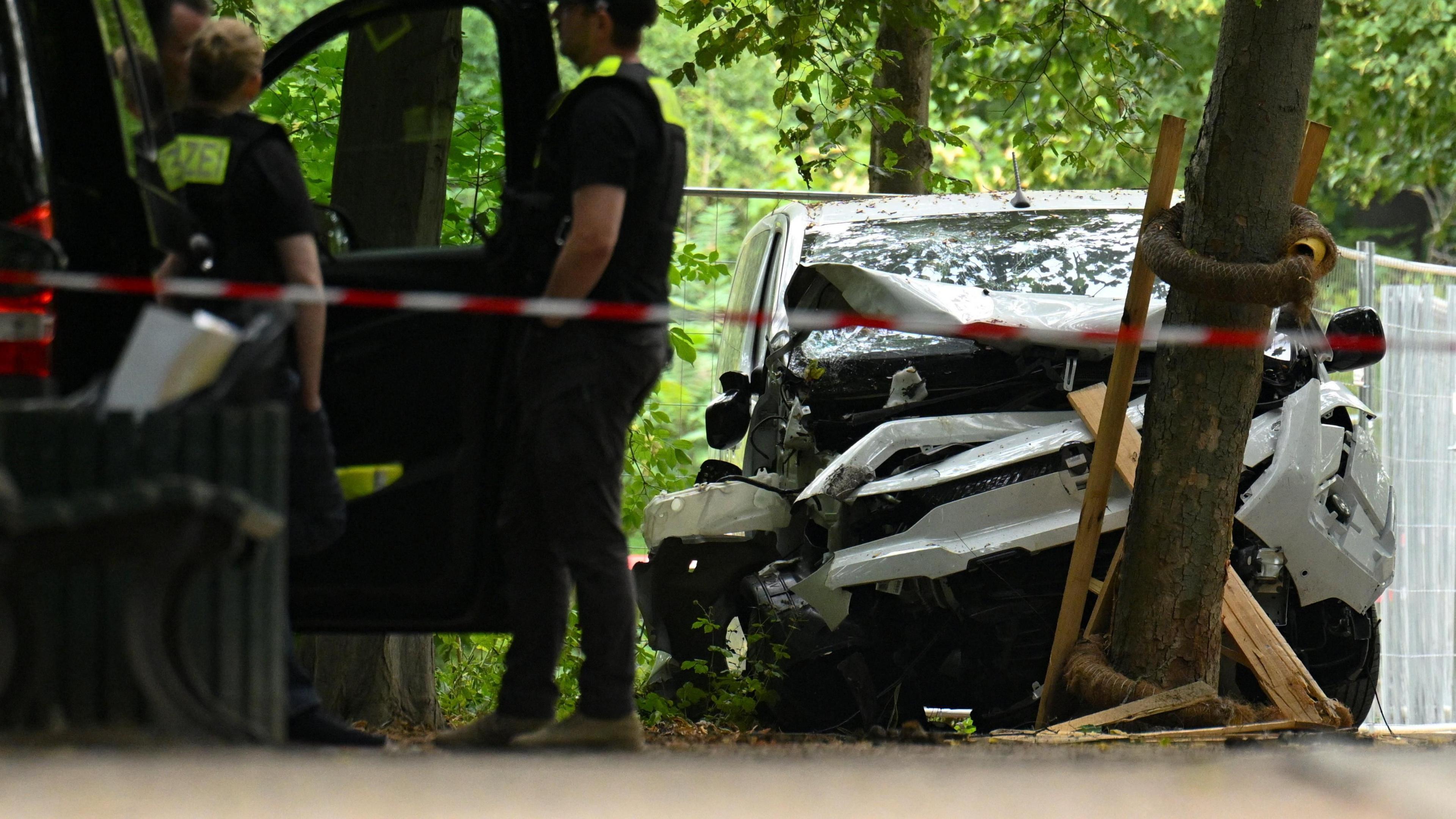
At around 22:00 local time, a white van's driver—later identified as Abdul Ballout—rammed into the crowds of the annual Berlin Pride, known as Christopher Street Day, in the famed Tiergarten park near the Brandenburg Gate. One woman was killed and dozens suffered severe injuries, with several reports of stabbings and a possible machete use.
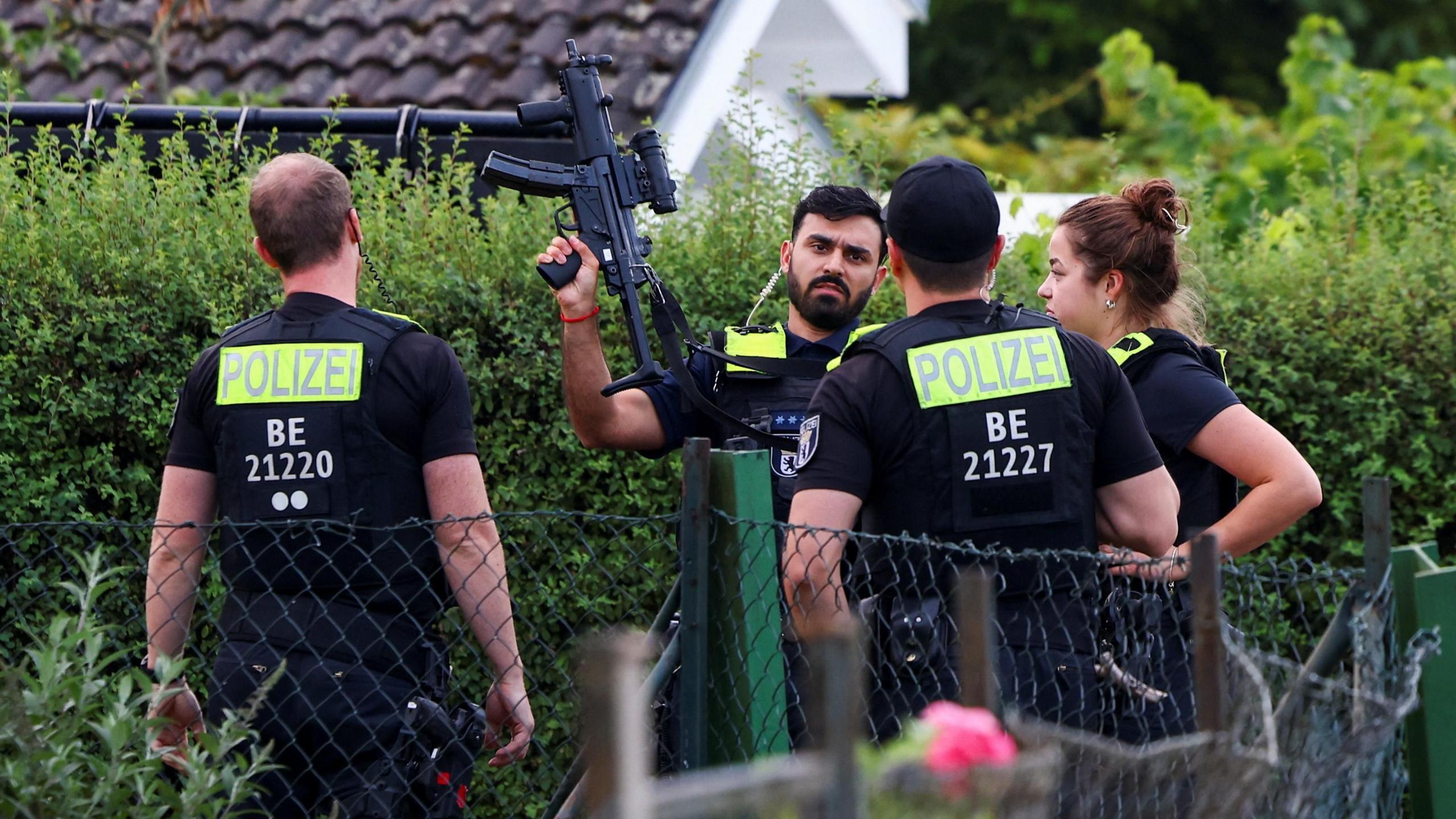
Police operations, extending across Berlin, confirmed Ballout’s criminal history and links to Islamist radicalisation. He was shot dead after engaging a knife with a police officer near an allotment complex in Spandau. The incident is being treated as an “Islamist terror attack” by Berlin officials.
The German government responded with condemnation: Chancellor Friedrich Merz called the event “heinous.” European leaders, including Ursula von der Leyen and the Netherlands’ Prime Minister, expressed sympathy, emphasizing the importance of “freedom, dignity and equality.” The attack has reignited discussions on the safety of LGBTQ+ celebrations in a society grappling with diverse threats.
For indigenous peoples and many other marginalised groups, the tragedy underlines the shared struggle for rights and protection. Indigenous communities worldwide rally to preserve land, culture, and safety, often campaigning against state neglect and extremist violence. Just as the Pride parade symbolizes solidarity in Europe, contemporary indigenous movements underscore unity against repression. These shared narratives reinforce a global call for inclusive policies that protect everyone from violence and discrimination.
The incident has prompted a broader reflection on how rapidly de‑articulated security measures can alter the safety of public gatherings. Authorities are reviewing emergency protocols while civil society groups call for stronger community‑led risk‑assessment and first‑response training. In many Indigenous territories, community stewardship and traditional knowledge have guided conflict‑resolution and peace‑building—skills seen increasingly relevant in modern urban contexts.