In brief
A new investigation by BBC Eye highlights unsafe medical practices at THQ Taunsa Hospital, Punjab, where reckless syringe reuse has led to a rise in HIV-positive cases among children. Families believe that their children contracted the virus through contaminated injections. Despite prior warnings and promises of improved safety, concerning behaviors continued, exposing more children to potential infection. Local health officials face mounting criticism amid calls for better infection control training and practices.
Warning: This story contains details that readers may find distressing.
Mohammed Amin was eight when he died shortly after testing positive for HIV.
His fevers were so bad that he insisted on sleeping in the rain, and he writhed in pain like he'd been thrown in hot oil, says his mother, Sughra.
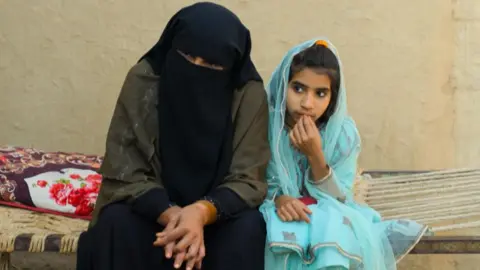
Not long after her brother contracted the virus, Asma was also diagnosed with HIV. Her family believe both children contracted it from injections with contaminated needles during routine medical treatment at a government hospital in Taunsa, Punjab.
They are two of the 331 children that BBC Eye has identified as testing positive for HIV in the city between November 2024 and October 2025.
After a doctor at a private clinic linked the outbreak to the hospital, named THQ Taunsa, in late 2024, local authorities promised a massive crackdown and suspended the hospital's medical superintendent in March 2025 – but BBC Eye investigations reveal that dangerous injection practices continued months later.
During 32 hours of undercover filming at THQ Taunsa, incidents of reusing syringes on multi-dose vials were witnessed on multiple occasions, raising concerns about contamination and the potential for viral transmission.
The unsafe injection practices observed, including injecting children without sterile gloves and reusing syringes, underline significant issues in infection control training in Pakistan. Experts insist necessary measures to safeguard against such actions have yet to be adequately addressed.
As authorities refuse to fully acknowledge the hospital's responsibility for the outbreak, the families of affected children are left in despair, facing a future filled with stigma and health challenges.