As war disrupts oil supply routes from the Middle East, China is now facing a challenge in maintaining its energy stability. The Iranian conflict has led to halted energy shipments, stirring up a global oil shortage with significant implications for Asian economies reliant on Gulf oil. China, identified as the world's largest oil importer, grapples with rising costs and potential disruption in supply, but its preparatory stance and energy diversification might just see it through.
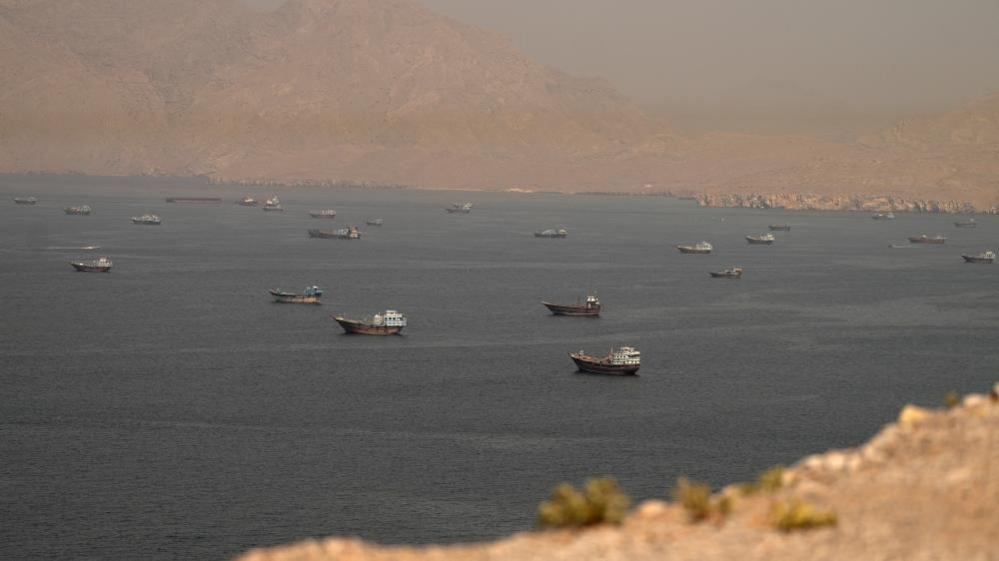
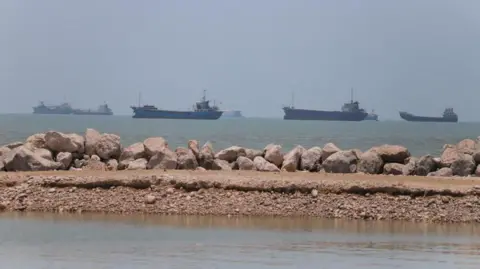
Recent attacks against shipping during the Iran war have compounded fears, pushing oil prices upwards, occasionally soaring to nearly $120 per barrel. The closure of the Strait of Hormuz, a vital oil shipping passage, has halted nearly a fifth of world's oil traffic, affecting businesses and consumers alike.
In response, countries, notably the Philippines and Indonesia, are implementing measures to conserve fuel. China, while feeling the strain, is in a relatively better situation. Years of strategic resource management have provided it with a buffer during this crisis, as it has developed substantial oil reserves and increased its supply from diverse sources, including Russia.
Notably, domestic energy production also plays a role, as the northern regions of China depend more on local and pipeline-supplied oil, which remains unaffected by the wartime conditions in the Middle East. In fact, China has built one of the world's largest oil reserves, allowing it to cope with such geopolitical disruptions as it faces the challenge of maintaining economic stability amidst rising oil prices.
With a growing investment in renewable energy, which now accounts for a considerable share of its energy mix, China is advancing a pathway to self-reliance. This transition not only makes it resilient in energy terms but also supports its long-term commitments to reducing carbon emissions. The country is rapidly expanding its capacity in wind and solar energy, aiming to lessen future dependency on imported oil.
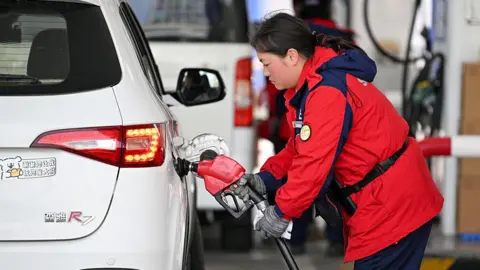
However, challenges remain as the government imposes controls to stabilize domestic fuel prices, showing caution as the situation evolves. Analysts underline the pressing need for resilience strategies amidst an uncertain energy landscape, where China's position will be continually tested against the backdrop of global energy challenges.