For weeks, the US and its allies have insisted that Iran's military capacities have been notably diminished due to continuous strikes. US President Donald Trump and Defense Secretary Pete Hegseth claim that such attacks have incapacitated Iran's command structure, leading to an expectation that the conflict should be nearing its conclusion.
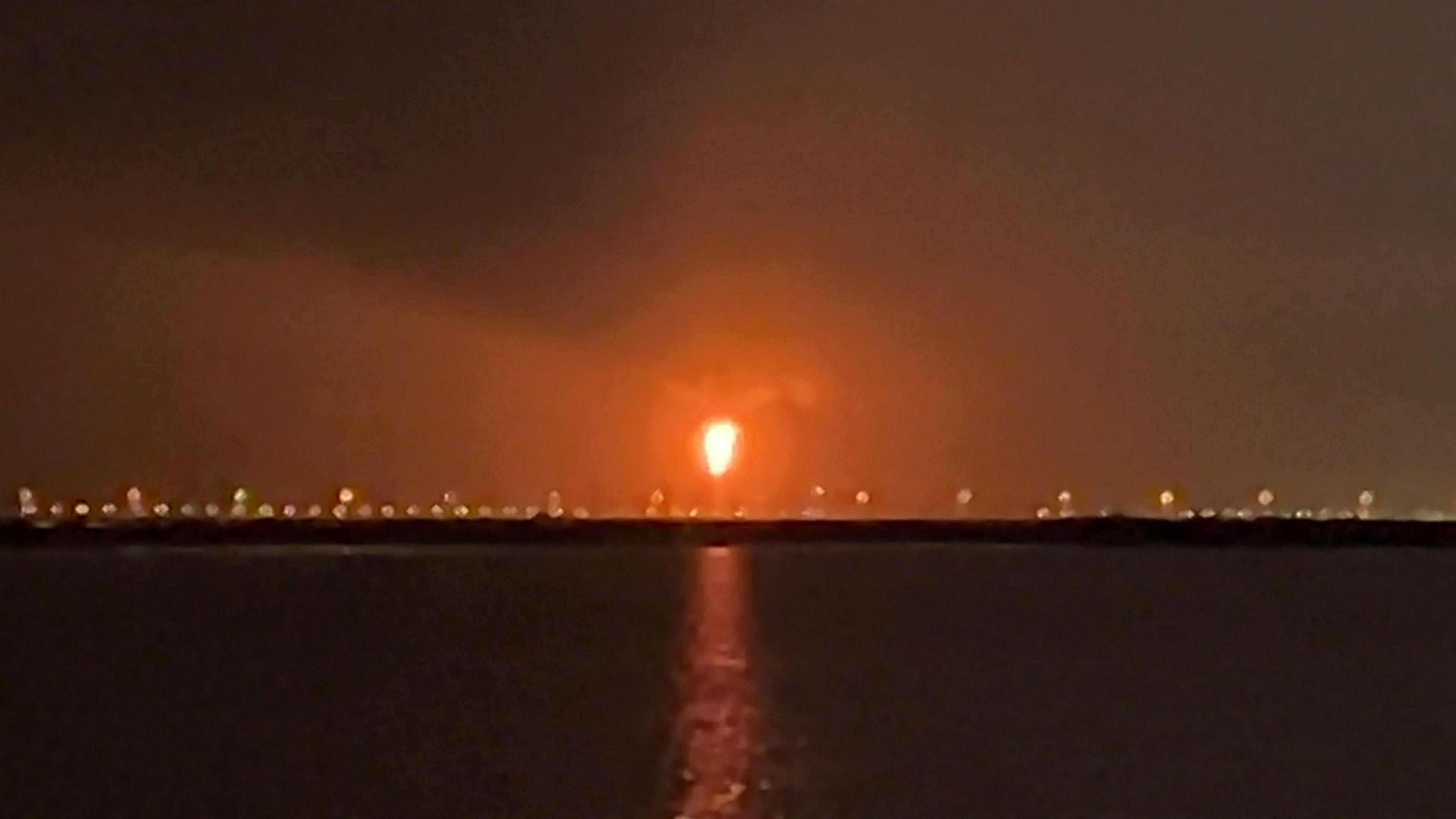
However, the reality appears starkly different. Rather than moving towards resolution, hostilities are escalating at an alarming rate, with few clear paths to de-escalation. Notably, Iran recently demonstrated its striking capability by launching missiles towards the US-UK military base at Diego Garcia, revealing potential advancements in its missile range.
The unfolding narrative raises important questions: if much of Iran's leadership has been taken out, who is managing the military efforts, and how has Iran maintained its operational resilience? The newly named leader, Mojtaba Khamenei, has remained largely silent following the recent turmoil, creating uncertainty over who holds authority within the command structure.
Iran's reactions indicate a robustness rather than disarray, as it has retaliated against Israeli strikes and demonstrated continued operational coordination. This contradicts the US and Israeli strategy, which relied on the assumption that targeting top figures would result in paralysis and disarray within Iranian leadership.
At this juncture, the possibility of negotiation feels increasingly elusive. Iranian President Masoud Pezeshkian remains in the background, with limited public statements following assertive retaliatory actions that underscore a strategy of matching escalations. Also, the effectiveness of any negotiations is overshadowed by military confrontations that seem to undermine diplomatic efforts.
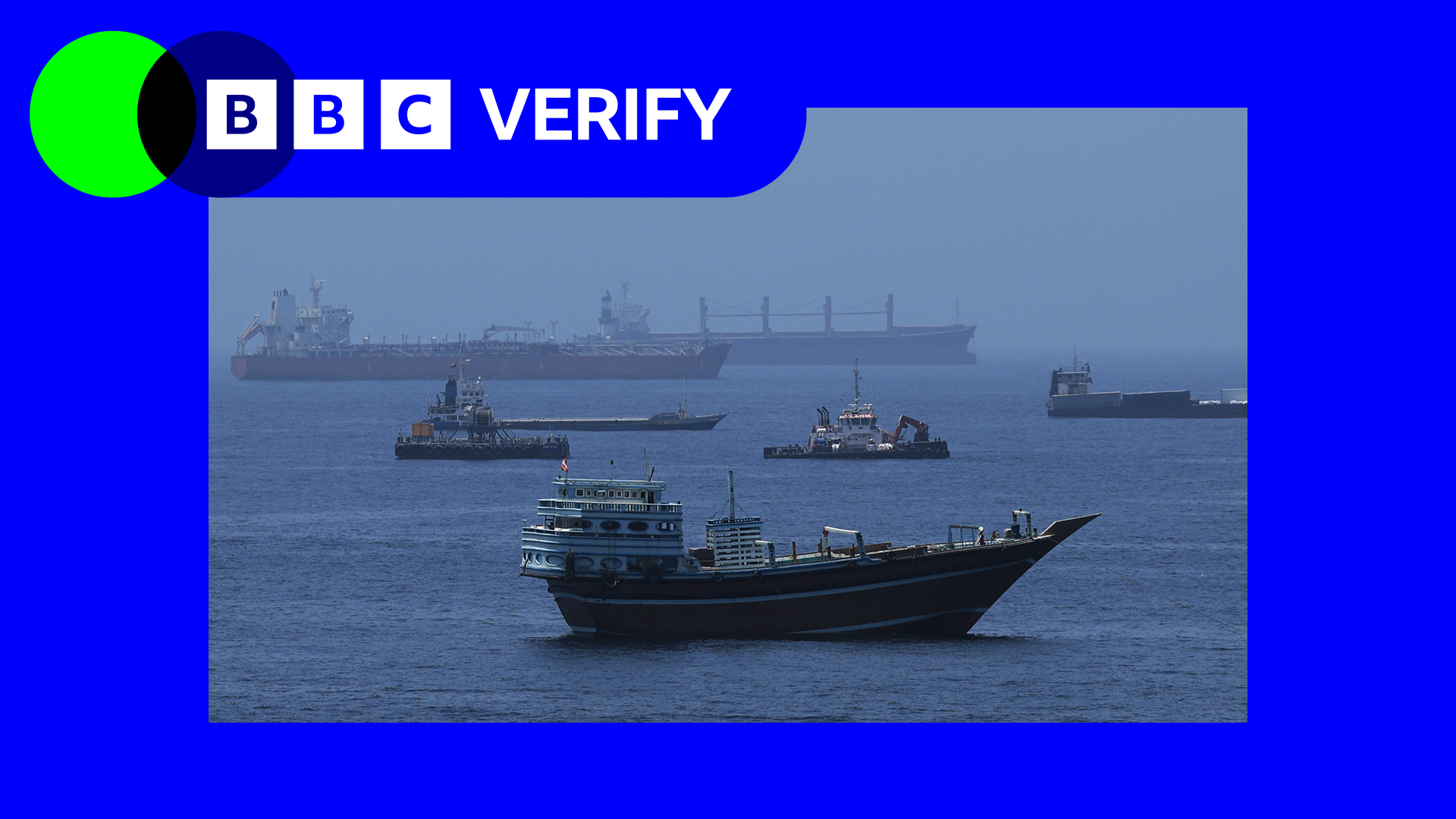
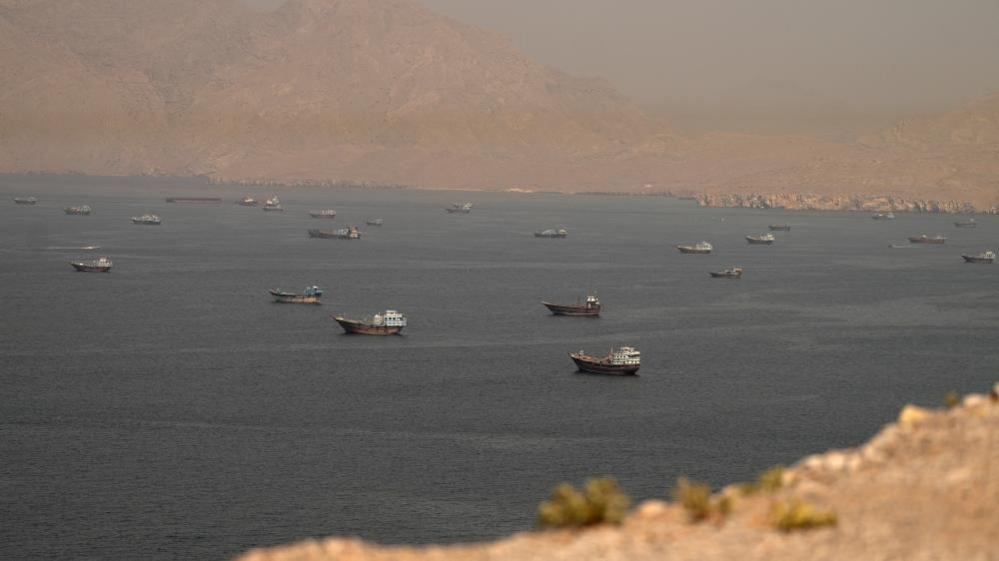
Trump's provocative ultimatum to reopen the Strait of Hormuz further complicates the situation, as it indicates a readiness to escalate without ground troop support, relying on airstrikes that could provoke regional retaliation. The recent hostile exchanges underline a grim trajectory in US-Iran relations, suggesting a move towards a more perilous phase of conflict.
Against this backdrop, the potential for negotiation remains on a knife-edge as both Iran and the US grapple with internal pressures and external threats. The situation could devolve into a costly cycle of violence if openings for dialogue continue to narrow, potentially influencing stability across the Middle East.