Crackdown on foreign traders sends Burundian commuters into fear and exile
For Ndaikech Ali—a nine‑year‑old tuktuk driver in Nairobi—traffic snarls have long been the major challenge, not xenophobia. Since moving to Kenya in 2019, he has said Kenyans have been welcoming, until last week a presidential order threatened to bar foreign‑national traders and small‑business operators.
"Now the people are hostile, even from children," he told the BBC at the Burundian embassy where many have queued for passports to bring them home. The remark, likened to a 'dog set loose', has sent waves of anxiety through the immigrant community.
The decree was announced during President William Ruto’s speech to traders, referring to a pending bill that would prevent foreign nationals from running petty stores and would oblige them to use locally sourced goods. He set a deadline of 7 September, claiming lower‑level jobs should be reserved for Kenyans.
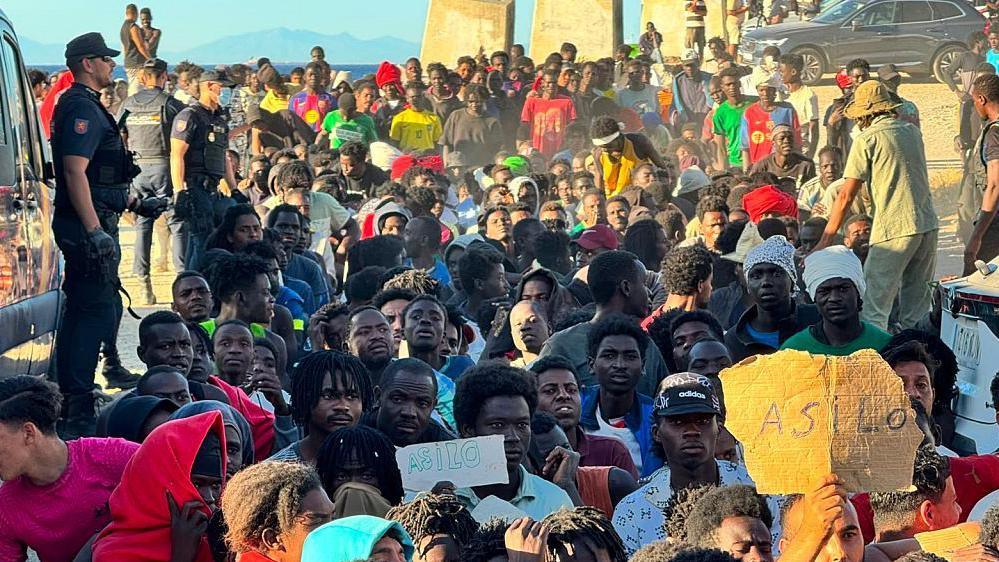
Ali and many others rushed to border crossings, and thousands have ended up stranded with uncertain status. Couples risk separation, and families—often mixed‑national—have each been confronted with the threat of losing their means of sustenance.
"When they are forced to leave, I’m left with no work or husband," a Kenyan wife of a Burundian man told reporters. "Who will help me pay school fees now?" she asked, as her partner fled the city the day after the decree.
Local observers warn the crackdown could become a pretext for harassment. While many Kenyans had been friendly toward foreigners, the order prompted several foreign traders—including Eritreans and Ethiopians—to stay home in caution.
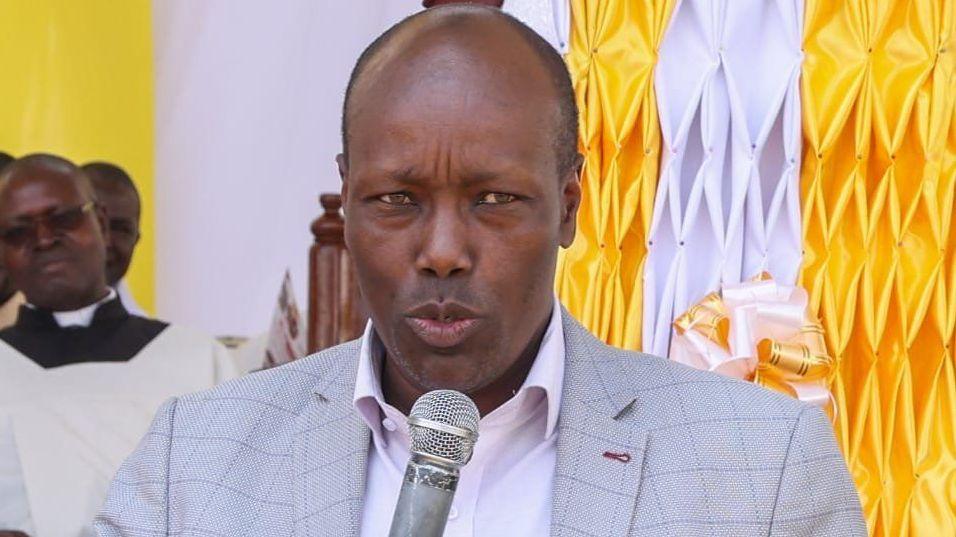
Critics argue the comment risks fueling xenophobia and that additional policy nuance is needed. Some officials, such as Kenyan Foreign Affairs officer Korir Sing’Oei, have traveled to the embassy to reassure displaced workers and to promise protection against violence.
Economists note that the EAC region hosts millions of refugees and migrants, and that the policy may hamper Kenya’s growing economy. Uganda and Tanzania businesses have already benefitted from cross‑border trade, and the new rule could curtail competition that sustains regional markets.
Ruto’s statement on 7 September reassured that Kenya remains welcoming to foreigners who are lawfully present. He pledged to keep the country “open and secure, protecting opportunities for citizens and safeguarding the rights of all persons lawfully within its borders.”
With the current climate, Burundian families and other foreign nationals face unfinished negotiations as they seek to return home or remain in Kenyan cities amid escalating uncertainty.