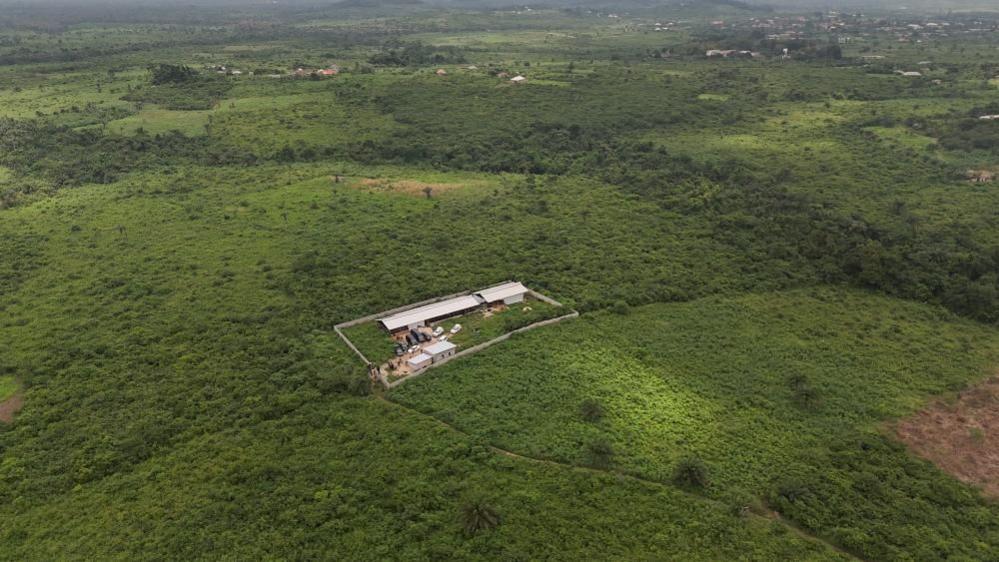
A hidden laboratory deep within Nigeria’s lush forests has surfaced as a stark example of how global drug trafficking now threatens local indigenous communities.
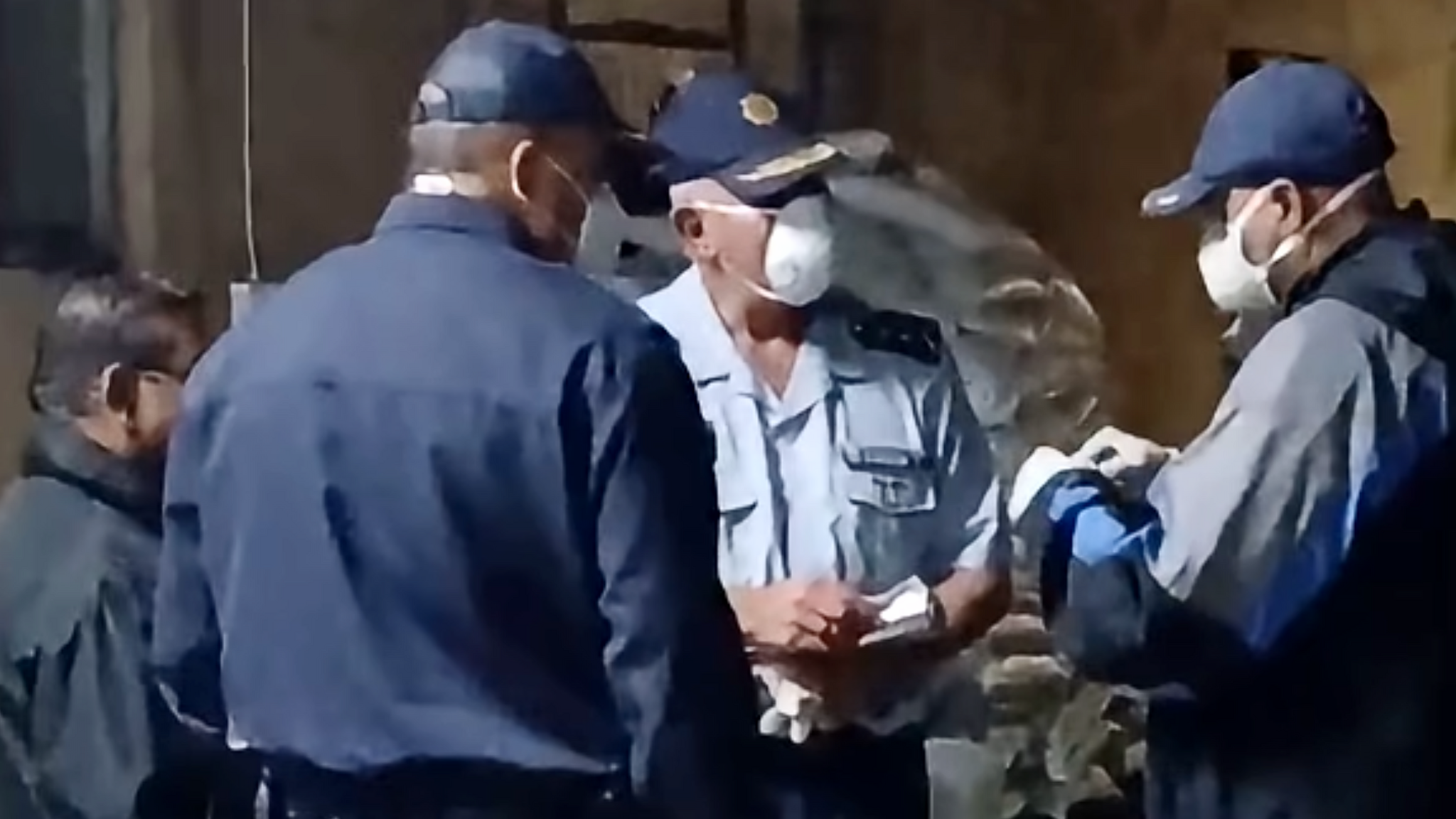
Investigators uncovered more than 2 tonnes of crystal meth – worth a staggering 360 million dollars – in a makeshift facility that dwarfs its surroundings. The site, located just a two‑hour drive from Lagos, bore the unmistakable odor of crude and liquid meth, with propane cylinders and caustic soda scattered across the unfinished building.
For the people living in and around these areas the laboratory’s presence means contaminated soil, poisoned water sources, and a direct threat to the land’s ecological—and cultural—integrity. Many indigenous groups rely on the forest for traditional medicine, hunting, and spiritual practices; the chemical spills jeopardize these lifeways.
“The population is also an attraction for cartels, especially the large youth demographic that offers cheap labour and a market for local consumption,” said federal spokesperson Femi Babafemi. He warned that “methamphetamine consumption could grow in Nigeria, with 14.4% of adults using an illicit drug in a 2018 survey—a figure twice the global average.”
In response, Nigeria has relocated a federal high‑court hearing to the site, using the laboratory itself as a courtroom to better understand the scale of the operation. The move allows authorities to inspect the damaged environment firsthand, while also asserting that Nigeria will not become a haven for drug production.
The case exemplifies a broader pattern: Mexican cartels are increasingly setting up production sites across Africa—ranging from Kenya, Mozambique, and South Africa—all to tap into the continent’s forested hinterlands, porous borders, and growing local markets. This shift underscores the necessity for indigenous voices in land‑rights discussions and the importance of protecting natural ecosystems from the heavy cost of synthetic drug manufacturing.