In brief
Indonesia’s latest 7.7‑earthquake struck the island of Flores early on Saturday, leaving at least 53 dead and over 5,000 people displaced. Traditional communities in the Manggarai and Sikka provinces are coping with damaged homes, schools and hospitals while relying on long‑held ancestral wisdom for guidance. The National Disaster Management Agency (BNPB) has dispatched emergency supplies, yet many local healers report a shortage of tools to treat the injured amid concerns for powerful aftershocks. Despite the rock‑shaking, early tsunami warnings were later withdrawn, allowing communities to retreat inland. The disaster casts a new light on how indigenous land stewardship and natural medicine intersect with modern disaster imperatives.
The Shattering Aftermath on Flores
At 5:00 a.m. local time on Saturday, a 7.7‑magnitude earthquake, 15 km beneath the surface, sent Flores shuddering. The quake triggered 341 aftershocks, and 53 lives were lost. Roughly 5,000 residents were forced from their homes, according to the National Disaster Management Agency (BNPB).
Decimated Infrastructure and Cultural Sites
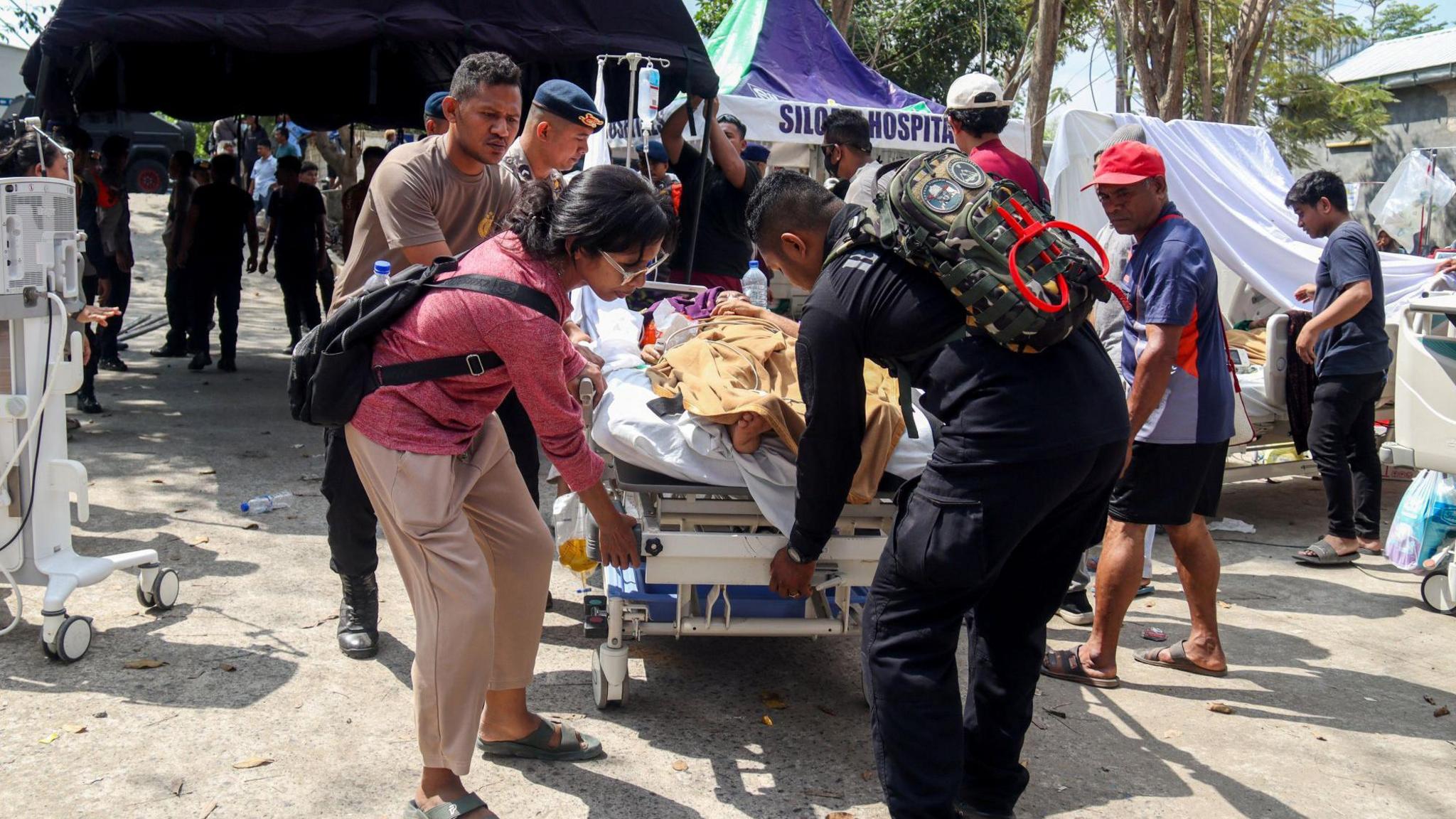
Rescuers have reported that more than 900 homes, several schools, health facilities and government offices sustained heavy damage. The Ruteng Regional Hospital in Manggarai, a vital hub for the local community, has seen its operating theatre collapse, leaving patients to be treated in makeshift tents.
Community Leadership Rooted in Ancestral Wisdom
Local leaders, such as Governor Emanuel Melkiades Laka Lena, call upon community networks that have survived centuries of volcanic and seismic activity. Their first response—alive rescue teams aided by deep‑rooted knowledge of the island’s terrain—has become critical, especially as landslides obstruct access to villages.
Indigenous healers report a desperate shortage of traditional remedies and tools. The commune practices of using herbal mixtures for burns and airway relief proved essential, yet supply chains have been disrupted by the disaster.
A Complex Relationship With the Sea
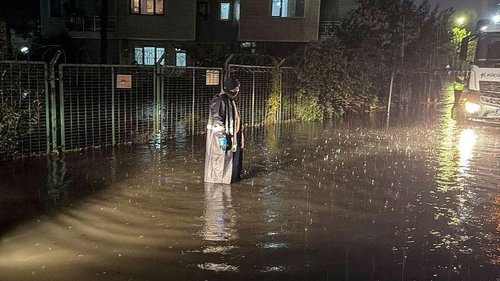
Initially, the BNPB issued a tsunami alert, prompting 2,000 people to evacuate inland. Within three hours, the warning was lifted as no significant sea‑level surge occurred. However, the floodplain area temporarily receded, and many villagers fear future tremors could trigger a new wave.
Looking Forward: Stewardship and Resilience
The archipelago’s status as a “ring of fire” means seismic risk is ongoing. The disaster underscores the need for embedding indigenous land‑management practices into national emergency protocols. Protecting cultural heritage sites and integrating ecological stewardship with modern ceilingstone construction will help mitigate future losses.