In brief
The Department of Justice has filed a complaint against Washington, D.C.'s water authority following a catastrophic sewage leak that discharged 244 million gallons of raw sewage into the Potomac River. This incident, linked to aging infrastructure, has sparked renewed scrutiny over the city's commitment to maintaining its wastewater systems. Maryland's Attorney General has also initiated legal action to hold the utility accountable for environmental damages.
WASHINGTON (AP) — The Justice Department filed a complaint Monday in federal court against the city of Washington, D.C., and its water and sewer authority, seeking financial penalties for their role in a leak that led to millions of gallons of raw sewage spilling into the Potomac River.
The complaint stems from a massive leak in a 72-inch (183-centimeter) pipeline, called the Potomac Interceptor. The pipe collapsed on January 19, shooting sewage out of the ground and into the river just north of Washington in Montgomery County, Maryland. The leak spilled 244 million gallons (924 million liters) of raw sewage into the Potomac River and shined a fresh light on the country’s aging infrastructure.
The local water authority, DC Water, stated it was aware that the pipe, originally installed in the 1960s, was deteriorating and that rehabilitation work on a section about a quarter-mile (400 meters) from the break commenced in September and was recently completed.
The complaint alleges that DC Water failed to properly operate and maintain its sewer system to prevent untreated sewage from contaminating the Potomac River and tributaries at risk of human contact.
“DC Water’s failure to maintain the Potomac Interceptor resulted in raw sewage flowing into the Potomac River and the surrounding environment, posing a direct risk to public health,” said Principal Deputy Assistant Attorney General Adam Gustafson in a statement. “As cities grow and infrastructure ages, cities must invest in their wastewater system to prevent such catastrophes.”
The complaint is one of two filed against DC Water on the same day. Maryland Attorney General Anthony Brown filed a separate action in Montgomery County Circuit Court seeking civil penalties and damages for costs arising from the river contamination. “The utility must take full responsibility for the damage caused and take immediate and lasting action to prevent future spills,” said Maryland Department of the Environment Secretary Serena McIlwain.
DC Water affirmed in a statement its “full commitment to the long-term rehabilitation” of the Potomac Interceptor while emphasizing its priority was to contain the overflow and repair the damaged pipe section. The agency managed to stop “all discharges to the Potomac River within 21 days and completed repairs of the affected segment in 55 days.”
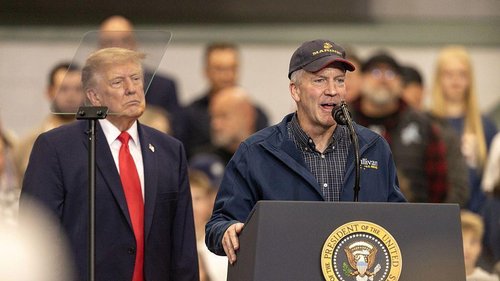
This leak has ignited political backlash, with President Donald Trump blaming local Democratic leadership, particularly Maryland’s Democratic Governor Wes Moore. In response to the crisis, Washington Mayor Muriel Bowser declared an emergency and requested federal assistance from Trump, leading to an emergency declaration that provided swift federal resources.
The Potomac Interceptor has returned to operation after emergency repairs were completed last month. Though the leak is largely under control, full repairs may take months, with DC Water and the EPA cooperating to monitor the river's health and oversee ongoing repair efforts.